


What Pop Rock Actually Is and Why It Matters
When you hear a song that makes you want to sing along and turn the volume up at the same time, there is a good chance you are listening to pop rock. It is one of those genres that people recognize instantly, even if they have never stopped to define it. At its core, pop rock lives at the intersection of two musical worlds: the melodic craftsmanship of pop and the guitar-driven energy of rock. That combination has kept it relevant for over six decades.
Pop rock is a fusion genre that pairs catchy, singalong melodies and polished production with electric guitars, driving drums, and the rhythmic punch of rock, creating music that is both accessible and emotionally charged.
Defining the Pop Rock Sound
Pop rock songs follow a familiar but effective blueprint. You will almost always find a verse-chorus structure designed to plant a hook in your head after a single listen. Prominent electric guitars sit at the front of the mix, but they are layered with clean, polished production rather than the raw distortion you would hear in heavier rock subgenres. The bass guitar and drum kit provide a rhythmic backbone that keeps things moving, while the vocals tend to be strong, melodic, and front and center.
Lyrically, the genre gravitates toward universal themes: love, heartbreak, identity, freedom, and youthful energy. These are not niche topics. They are feelings nearly everyone connects with, which is a big part of why the style travels so well across age groups and cultures. Each element fits together with an almost McMaster-Carr-level precision, every component serving a clear purpose in the final sound.
Why Pop Rock Resonates with So Many Listeners
Imagine a genre that can do a barrel roll between emotional intensity and pure catchiness without missing a beat. That is pop rock in a nutshell. It borrows rock's raw feeling and volume without alienating listeners who prefer polished pop. At the same time, it adds grit and instrumentation weight to pop without sacrificing the melodies that make a song stick.
This middle-ground quality is exactly what makes the genre a gateway for so many music fans. A teenager discovering pop rock anthems on a streaming playlist might follow that thread into heavier rock or dive deeper into pop songwriting. The genre does not demand loyalty to one side. It invites exploration, and that openness has made it one of the most commercially successful and enduring styles in popular music history.
Understanding what gives pop rock its staying power makes it much easier to appreciate the songs themselves. And to really grasp how the genre earned that power, you have to look at where it all started.
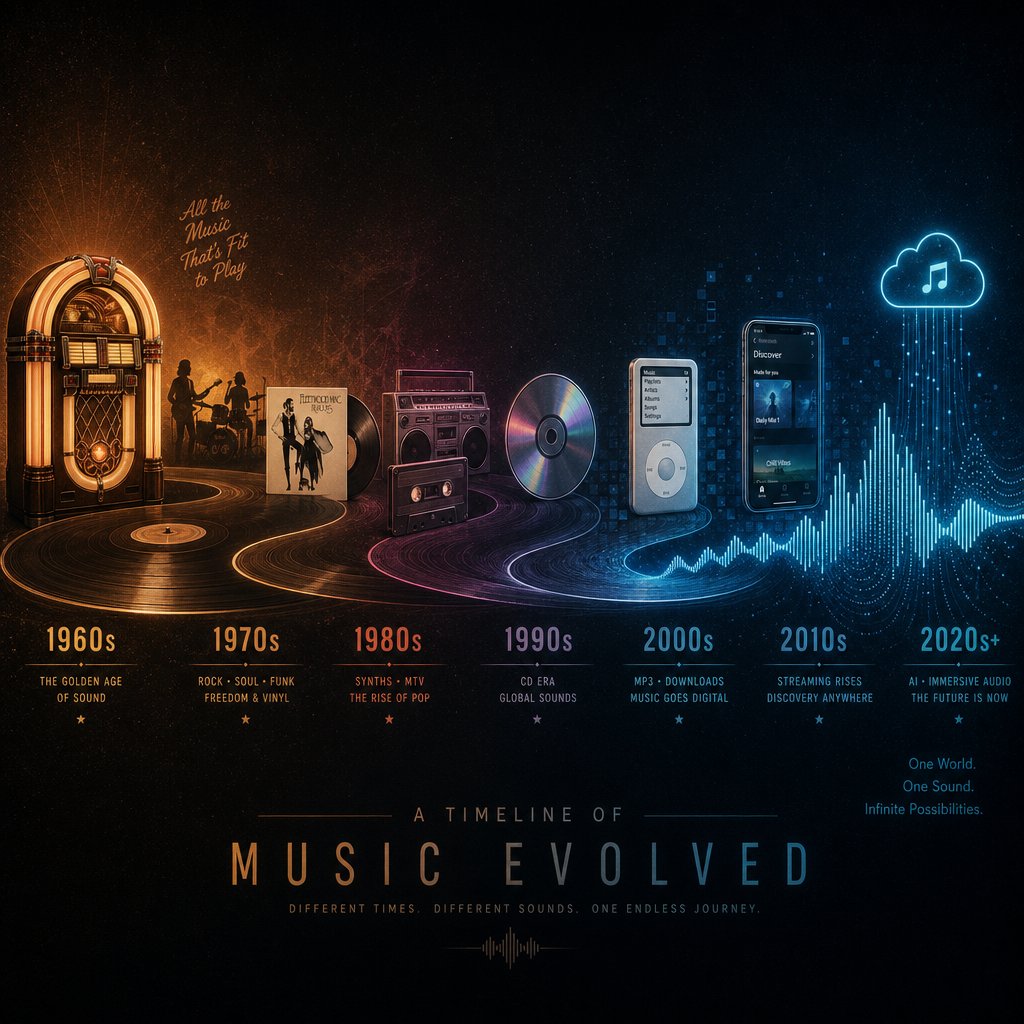
The Origins and Evolution of Pop Rock Music
Every genre has an origin story, and pop rock's begins in the late 1950s when a handful of artists figured out that rock and roll did not have to choose between raw energy and mass appeal. What started as a happy accident of blending rhythm and blues grit with pop melody became a deliberate formula, one that would reshape the music industry for generations.
The Birth of Pop Rock in the Late 1950s and 1960s
In the 1950s, rock and roll was still finding its legs. Pioneers like Chuck Berry, Elvis Presley, Buddy Holly, and Little Richard were pulling from rhythm and blues, gospel, and country to create something new. Their songs were raw and exciting, but they were also undeniably catchy. That catchiness was the seed of pop rock. When a song like "Jailhouse Rock" or "Peggy Sue" landed on commercial radio, it proved that rock instrumentation and pop-friendly hooks could coexist in the same three-minute package.
The real turning point came with the British Invasion of the mid-1960s. British teens had spent years absorbing American rock and roll, and by 1962, groups like The Beatles had learned to blend those influences with dancehall pop, Celtic folk, and their own melodic instincts. When The Beatles arrived in New York on February 7, 1964, they did not just bring rock music back to America. They brought a refined version of it: tight harmonies, irresistible hooks, and polished songwriting layered over electric guitars and driving drums. That was the pop rock template, and it spread fast. The Searchers, The Hollies, The Kinks, and Herman's Hermits all followed, each adding their own spin to the formula. By 1966, British and American bands were equal partners in a shared musical culture that treated melody and muscle as inseparable.
Pop Rock Through the Decades
The genre never stayed still. Each decade brought new influences, new production tools, and new artists who stretched the boundaries of what pop rock could sound like. Here is how the timeline unfolded:
- 1970s - Power pop and arena rock take hold. Bands like Fleetwood Mac, Elton John, and Big Star pushed pop rock in two directions at once. Fleetwood Mac built a career on mainstream hits driven by sharp songwriting and rock guitar, while power pop acts amplified the hooks and tempo. Arena rock brought the genre to stadiums, proving that melodic, guitar-driven music could fill the biggest venues in the world.
- 1980s - MTV and synth-pop reshape the sound. The launch of MTV in 1981 turned pop rock into a visual medium. Artists became multimedia icons, and synthesizers entered the mix alongside electric guitars. Groups like Tears for Fears and The Bangles scored crossover hits by blending electronic textures with classic pop rock songwriting. Cyndi Lauper and Pat Benatar proved that solo female artists could thrive in the genre, expanding its reach even further.
- 1990s - Alternative rock meets pop melody. Nirvana and Pearl Jam brought grunge to the mainstream, but the decade's pop rock story was broader than that. Power pop groups like Gin Blossoms and Toad the Wet Sprocket combined gritty guitars with big hooks. Pop punk exploded through Green Day and The Offspring, giving the genre a youthful, rebellious edge. Former indie acts like R.E.M. crossed over into massive commercial success, showing that pop rock could be both critically respected and chart-dominant.
- 2000s - Pop punk and emo-adjacent waves. Bands like Blink-182, Fall Out Boy, and Paramore carried pop rock into a new generation, blending punk energy with emotionally charged lyrics and arena-sized choruses. It felt like stepping into a dandys world of eyeliner and confessional songwriting, but the melodic DNA was pure pop rock.
- 2010s to present - Indie and electronic textures merge with classic pop rock. Artists like Taylor Swift, Billie Eilish, and Olivia Rodrigo have folded rock idioms into their work alongside synthesizers and drum machines. Streaming platforms reshaped discovery, and genre lines blurred more than ever. Independent artists gained the ability to reach audiences without major label support, and pop rock absorbed indie, electronic, and even hip-hop influences while keeping its melodic core intact.
You could set a 5 minute timer and still not cover every important shift in the genre's history. Each era added a new layer without erasing what came before, which is part of why the style feels both familiar and fresh depending on where you drop the needle.
How Pop Rock Became a Commercial Powerhouse
Pop rock did not just survive these shifts. It dominated commercially through most of them. In the 1960s and 1970s, rock acts routinely topped the Billboard charts, and albums like The Beatles' Sgt. Pepper's Lonely Hearts Club Band and Fleetwood Mac's Rumours became some of the best-selling records of all time. Radio stations built entire formats around the genre, and its accessibility made it a reliable draw for advertisers and programmers alike.
That commercial muscle came from the genre's role as a gateway. A listener who discovered pop rock through a catchy single on the radio might follow that thread into harder rock, singer-songwriter territory, or even punk. The genre introduced millions of people to both pop and rock without asking them to commit to either one. It was, and still is, the entry point for a huge portion of the music-listening public.
Even as hip-hop and electronic music have claimed larger shares of the mainstream, pop rock's influence persists in the DNA of chart-topping songs. The guitar riffs, the singalong choruses, the verse-chorus-bridge structures that define so much of today's popular music all trace back to the genre's decades of dominance. That kind of influence does not disappear just because the charts shift. It evolves, and sometimes the clearest way to see that evolution is by comparing pop rock to the genres it gets confused with most often.
How Pop Rock Differs from Related Genres
Pop rock gets lumped in with a lot of neighboring styles, and honestly, the confusion makes sense. The genre shares DNA with pure pop, pure rock, soft rock, power pop, and alternative rock. But each of those styles has a distinct center of gravity. Knowing where the lines fall helps you understand why certain songs feel different even when they seem similar on the surface. Think of it like learning how to use a compass: once you know which direction each genre points, navigating the broader landscape becomes second nature.
Pop Rock vs Pure Pop vs Pure Rock
These three sit on a spectrum, and pop rock occupies the middle ground.
Pure pop prioritizes production polish and danceability above everything else. The vocals are front and center, the arrangements are built around hooks, and the instrumentation leans on synthesizers, programmed beats, and layered backing tracks. Think Ariana Grande or early Britney Spears. The goal is a clean, radio-ready sound where every frequency is sculpted for maximum impact. Guitar, if it shows up at all, plays a supporting role.
Pure rock swings the other way. It leans into rawness, volume, and the weight of live instrumentation. Electric guitars dominate, drums hit harder, and the production often preserves a rougher, less polished edge. Bands like AC/DC or The Rolling Stones at their grittiest represent this end of the spectrum. Attitude and energy take priority over pristine vocal delivery.
Pop rock splits the difference. The guitars are prominent and real, giving the music a rock backbone. But the melodies are crafted with pop-level precision, the production is polished, and the song structures follow the verse-chorus format that makes tracks easy to sing along with. As Wikipedia notes, pop rock is essentially rock music with greater emphasis on professional songwriting and recording craft, and less emphasis on attitude than standard rock. It is guitar-forward but melody-first, and that balance is what sets it apart from its parent genres.
Pop Rock vs Soft Rock, Power Pop, and Alternative Rock
The confusion deepens when you bring in the subgenres that branch off from pop rock itself. Each one tweaks the formula in a specific direction.
Soft rock strips back the electric edge. Acoustic guitars, piano, and smooth vocal harmonies replace the crunch and drive of standard pop rock. Artists like Bread and James Taylor built careers on this gentler approach. The songs are melodic and accessible, but they lack the rhythmic punch and guitar energy that define pop rock.
Power pop goes the opposite direction. It takes the hooks and cranks up the tempo, the volume, and the guitar jangle. As music writer Dennis Pilon explains, while all power pop could be considered a form of pop rock, not all pop rock would be characterized as power pop. Power pop is a narrower aesthetic defined by jangly guitars, swooping background harmonies, and relentless melodic energy. Bands like Cheap Trick and The Raspberries are textbook examples. Pop rock, by contrast, is a broader sensibility that crosses over different styles.
Alternative rock trades mainstream polish for experimental textures. The songwriting might still be melodic, but the production choices are deliberately unconventional. Think Radiohead or Pixies. Where pop rock aims for wide accessibility, alternative rock often prioritizes artistic risk over commercial appeal, using unusual song structures, dissonant guitar tones, or lo-fi recording techniques to create something that feels less predictable.
The table below breaks down how to use a compass for these five genres at a glance, comparing their core characteristics side by side:
| Genre | Typical Instruments | Song Structure | Production Style | Example Artists |
|---|---|---|---|---|
| Pop Rock | Electric guitar, bass, drums, keyboards | Verse-chorus, bridge, singalong hooks | Polished but guitar-forward | The Beatles, Paramore, Fleetwood Mac |
| Pure Pop | Synths, programmed beats, layered vocals | Verse-chorus, repetitive hooks | Highly polished, radio-optimized | Ariana Grande, Katy Perry, ABBA |
| Pure Rock | Electric guitar, bass, drums, minimal keys | Riff-driven, extended solos | Raw, live-sounding, high energy | AC/DC, Led Zeppelin, The Who |
| Soft Rock | Acoustic guitar, piano, light percussion | Verse-chorus, ballad-oriented | Smooth, warm, minimal distortion | Bread, James Taylor, Carole King |
| Power Pop | Jangly electric guitar, bass, drums | Fast verse-chorus, tight arrangements | Bright, hook-heavy, high tempo | Cheap Trick, Big Star, Fountains of Wayne |
| Alternative Rock | Electric guitar, bass, drums, effects pedals | Varied, often unconventional | Lo-fi to experimental, less commercial | Radiohead, Pixies, R.E.M. |
These distinctions matter because they shape what you hear and how you feel when a song plays. A soft rock ballad and a power pop anthem might both trace their roots back to pop rock, but they land in completely different emotional places. Recognizing those differences turns casual listening into something richer, and it makes curating a playlist or discovering new music far more intentional. With that framework in place, the real fun begins: picking the actual songs that define the genre across its best eras.
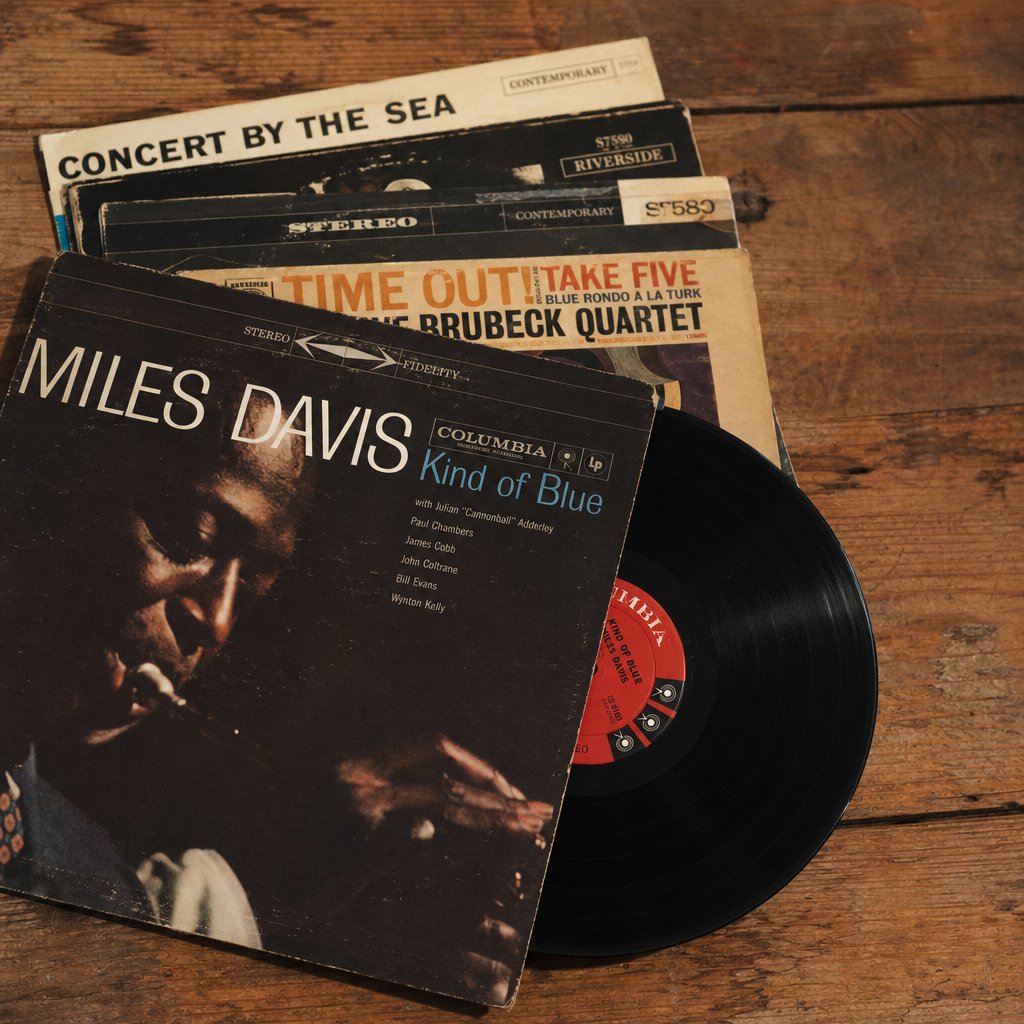
Essential Pop Rock Songs from the Classic Era
Plenty of playlists will hand you a hundred tracks and call it a day. That is not what this is. The songs below were chosen because each one moved the genre forward in a specific, traceable way. They are not just great listens. They are the building blocks that gave pop rock its identity, its commercial dominance, and its emotional vocabulary. If the genre comparison table above is the map, these songs are the landmarks.
Foundational Pop Rock Songs of the 1960s and 1970s
The 1960s and 1970s were the decades when pop rock went from a loose idea to a fully formed genre with its own rules, its own stars, and its own place on the charts. These are the tracks that wrote those rules.
- The Beatles - "I Want to Hold Your Hand" (1963) — This is ground zero. Before this single landed in the United States, pop and rock existed as loosely overlapping worlds. The Beatles fused them into a single, irresistible package: tight harmonies, driving rhythm guitar, and a hook so immediate it crossed every demographic line imaginable. It did not just top the charts. It redefined what a chart-topping song could sound like.
- The Kinks - "You Really Got Me" (1964) — Dave Davies sliced his amplifier speaker with a razor blade to get that distorted guitar tone, and the result was one of the rawest, most urgent riffs of the decade. But underneath the grit, the song follows a pop structure that is almost deceptively simple. Ultimate Classic Rock notes that entire genres were spawned in less than two and a half minutes. Pop rock, punk, and garage rock all trace a line back to this track.
- Fleetwood Mac - "Go Your Own Way" (1977) — Lindsey Buckingham turned a bitter breakup with Stevie Nicks into one of the most propulsive pop rock songs ever recorded. The driving drums, the slashing guitar, and the raw vocal delivery give it real rock weight, but the chorus is pure pop perfection. It was the lead single from Rumours, an album that went on to become one of the best-selling records of all time, and this track set the tone for everything that followed.
- Fleetwood Mac - "The Chain" (1977) — Yes, two picks from the same album, because "The Chain" does something different. Where "Go Your Own Way" is a breakup anthem, "The Chain" is a slow-building meditation on loyalty and fracture. Collider's ranking of the greatest 70s rock songs describes it as having a remarkable build that is perfectly paced, catchy enough to qualify as great pop rock but too complex to feel simplistic. That bass-driven finale remains one of the most recognizable moments in the genre.
- Bruce Springsteen - "Born to Run" (1975) — Four and a half minutes of pure catharsis. Springsteen recorded plenty of songs about small-town restlessness, but never better than he did here. The wall-of-sound production, the saxophone, the desperate vocal delivery — it all adds up to a song that feels like escaping and arriving at the same time. It is the pop rock anthem as mission statement, and it turned Springsteen into a generational voice.
Each of these tracks taught the genre something about itself. The Beatles proved pop rock could dominate commercially. The Kinks showed it could be raw without losing its hooks. Fleetwood Mac demonstrated that personal pain could fuel universally resonant songwriting. And Springsteen proved the genre could carry the emotional weight of an entire generation's aspirations.
Pop Rock Anthems of the 1980s and 1990s
The 1980s and 1990s were the decades when pop rock became inescapable. MTV turned songs into visual events, radio formats crystallized around the genre, and a new wave of artists pushed the sound in directions its founders never imagined. Understanding the statistics fundamentals of this era tells a clear story: pop rock acts dominated album sales, radio airplay, and concert attendance like no other genre. These are the songs that defined that dominance.
- Bon Jovi - "Livin' on a Prayer" (1986) — The talk box intro, the fist-pumping chorus, the story of Tommy and Gina scraping by. Ultimate Classic Rock calls it the multihook axis of Slippery When Wet, and that is exactly right. Bon Jovi found the sweet spot between MTV-era flash and arena-rock substance, and this track became the blueprint for every pop rock anthem that followed in the late 1980s.
- Tom Petty and the Heartbreakers - "American Girl" (1976, breakthrough in the 1980s) — Originally released in 1977 without charting, "American Girl" found its real audience over the following decade through radio play and word of mouth. It became the group's most enduring song over their four-decade career, and it was the last song Petty performed before his death in 2017. The jangly guitars and wide-open melody make it a pop rock masterclass in simplicity.
- Don Henley - "The Boys of Summer" (1984) — After the Eagles dissolved, Henley channeled nostalgia and lost idealism into one of the decade's most atmospheric tracks. The synth-driven production gave it an unmistakably 1980s sheen, but the songwriting underneath is timeless pop rock: a strong melody, a universal theme, and a guitar tone that cuts right through the mix. It proved that the genre could absorb new production tools without losing its emotional core.
- Def Leppard - "Photograph" (1983) — This is the song that showed pop rock how to use Photoshop, so to speak, layering and polishing every element until the final product gleamed without losing its rock foundation. The chewy center and big hooks would have found an audience regardless of MTV, but the visual medium amplified its reach. Producer Mutt Lange's meticulous approach to vocal harmonies and guitar tones became a template for the entire decade.
- Nirvana - "Smells Like Teen Spirit" (1991) — It is technically grunge, but its impact on pop rock was seismic. The song proved that raw, distorted guitars and a screamed vocal could coexist with one of the catchiest chorus melodies of the decade. Ultimate Classic Rock identifies it as the nucleus of an entire generation of bands and albums. Every pop rock act that followed in the 1990s had to reckon with the door this track kicked open.
- Oasis - "Wonderwall" (1995) — Borrowing liberally from The Beatles and wrapping it in Britpop swagger, "Wonderwall" became one of the most covered and streamed songs in history. Its title was taken from a George Harrison soundtrack album, and the musical inspiration leaned heavily on the mellotron's orchestral settings. But the song's real genius is its simplicity: an acoustic guitar, a yearning vocal, and a melody that lodges itself permanently in your memory. It is Oasis' definitive track and a reminder that pop rock does not always need volume to hit hard.
What connects all of these songs, across three decades and wildly different production styles, is a shared commitment to melody as the organizing principle. The guitars get louder or softer, the production gets slicker or rawer, but the hook always comes first. That is the through line of classic-era pop rock, and it is the same principle that guides the genre's best work today. The question is: which modern artists are carrying that torch, and what does pop rock sound like when it absorbs the influences of streaming culture, indie aesthetics, and genre-fluid collaboration?
Modern Pop Rock Songs Worth Hearing Right Now
Classic-era tracks built the genre's foundation, but pop rock did not freeze in amber after the 1990s. The sound kept absorbing new influences, from indie textures and electronic production to the confessional lyricism of emo and the rhythmic punch of hip-hop. The result is a modern wave of songs that honor the melody-first principle while sounding nothing like "Wonderwall" or "Livin' on a Prayer." If your pop rock playlist stops at 1999, you are missing some of the genre's most exciting work.
Modern Pop Rock Songs Shaping the Genre Now
Today's best pop rock pulls from a wider palette than ever. You will hear synths sitting alongside distorted guitars, lo-fi vocal processing layered over arena-sized choruses, and songwriting that blends vulnerability with the kind of hooks that stick for days. These are the tracks carrying the genre forward, each one worth knowing and each one doing something specific for the sound.
- Olivia Rodrigo - "good 4 u" (2021) — This track landed like a pop-punk grenade in the middle of a streaming landscape dominated by mellow beats and whispered vocals. Rodrigo channeled Paramore-level guitar aggression into a breakup anthem with a chorus built for screaming along in the car. It proved that guitar-driven, high-energy pop rock could still dominate the global charts in the 2020s, reaching number one in over 25 countries.
- The Beths - "Straight Line Was a Lie" (2025) — The New Zealand foursome delivered one of the year's most maddeningly catchy guitar jangles with this power-pop title track. Elizabeth Stokes rejects the myth of linear progress with the line, "I guess I'll take the long way, because every way's the long way." It is melodic pop rock at its sharpest, proving the genre still thrives outside the major-label machine.
- Japanese Breakfast - "Picture Window" (2025) — Michelle Zauner blends indie rock with cosmic country on this warm, inviting track about grief and love coexisting. Rolling Stone described it as a song where "our ghosts live among us," and the mix of shimmering guitars and open-hearted melody places it squarely in the pop rock tradition, even as it pushes the genre's emotional boundaries.
- Wet Leg - "Mangetout" (2025) — Wet Leg's brand of pop rock is equal parts biting humor and searing guitar riffs. "Mangetout" chugs out of the gate with Rhian Teasdale delivering casual contempt so fun you almost feel bad for its target. The band's ability to wrap sharp jokes in genuinely great rock hooks is a reminder that pop rock does not have to take itself seriously to be taken seriously.
- Florence + the Machine - "One of the Greats" (2025) — Florence Welch paired lyrical ferocity with moody, dissonant guitar riffs from Idles' Mark Bowen on this lead single from Everybody Scream. Lines like "It must be nice to be a man and make boring music just because you can" hit with the directness of punk, but the song's structure and vocal melody are unmistakably pop rock. It is the genre flexing its ability to carry real cultural weight.
- Illuminati Hotties - "777" (2025) — Sarah Tudzin channels the golden era of college rock on this track, complete with a sighing, J Mascis-style guitar solo. The song reads as a tribute to a lover who is "wide like space, blue like heaven," and it captures the warm, fuzzy side of pop rock that makes the genre feel like a favorite worn-in jacket.
- Paramore - "Running Out of Time" (2023) — Paramore's pivot toward new wave and post-punk on This Is Why showed how far a pop rock band can stretch without snapping. The angular guitars and Hayley Williams' urgent vocal delivery give the track a nervous energy, but the hooks are still unmistakable. It is pop rock filtered through 1980s art-rock, and it works.
- Jay Som feat. Hayley Williams - "Past Lives" (2025) — A shimmering mid-tempo rocker built on crisp guitar and note-perfect two-part harmony. Rolling Stone highlighted the soaring chorus where Williams and Jay Som sing "Melt off, defrost, I'm spiraling up" as some of the most incisive pop rock songwriting of the year. The collaboration shows how the genre thrives when artists from adjacent worlds meet in the middle.
What ties these picks together is not a single sound but a shared instinct: melody comes first, guitars matter, and emotional honesty is not optional. Whether the production leans lo-fi or polished, acoustic or electronic, the pop rock DNA is always there in the bones of the song.
How Pop Rock Has Adapted to the Streaming Era
The way pop rock reaches listeners has changed as dramatically as the music itself. Radio used to be the primary discovery engine, but that dominance is fading fast. MIDiA Research reports that nearly half of consumers ranked radio among their top three discovery methods in 2022, but that figure has dropped to roughly a third. For listeners aged 16 to 24, TikTok has overtaken radio entirely as the top way to find new music, followed by YouTube and streaming platforms.
This shift has reshaped pop rock in several concrete ways. Song lengths have gotten shorter, partly because streaming economics reward plays over duration and partly because social platforms favor clips that hook you in seconds. Genre-blending collaborations have become the norm rather than the exception. A pop rock artist might feature a rapper, an electronic producer, or a country singer on the same album, and nobody blinks. The lines between scenes are blurrier than ever, and that fluidity has been good for the genre's creative health.
Independent pop rock artists have also gained ground. Bands like The Beths and Illuminati Hotties build loyal audiences through playlist placement, social media engagement, and touring circuits without relying on major-label infrastructure. Streaming platforms let a four-piece from Auckland or a solo project from Los Angeles reach the same global audience that used to require a record deal and a radio promoter. It is a bit like learning how to do a pullup for the first time: the barrier to entry feels impossibly high until you find the right grip, and then momentum takes over.
Discovery itself has fragmented. According to the same MIDiA Research analysis, there is no longer one central place to find new music. The gap between the first and third most popular discovery methods among young listeners is less than ten percentage points. Music discovery is not dead, just scattered across more platforms than ever. For pop rock, that means a great song can surface anywhere: a Spotify editorial playlist, a TikTok clip, a YouTube reaction video, or a friend's Instagram story.
The risk, though, is algorithmic bubbling. Hyper-personalized playlists can trap listeners in narrow lanes, serving them the same mood and tempo on repeat. MIDiA's research notes that passive algorithmic discovery often leads to less repeat listening and weaker artist connections, especially among younger audiences who are more likely to loop a single song than explore an artist's catalog. For a genre like pop rock that thrives on album-length storytelling and deep artist catalogs, that pattern is a challenge worth watching.
Still, the genre's core strength has not changed. A great hook, a real guitar, and an honest lyric cut through algorithmic noise the same way they cut through radio static fifty years ago. The delivery system is different, but the emotional transaction is identical. And behind every song on a playlist or a chart, there are artists and bands whose broader bodies of work deserve attention. The modern picks above are entry points, not endpoints, and the artists behind them have shaped the genre in ways that go well beyond any single track.
Iconic Pop Rock Bands and Artists Who Shaped the Sound
A great song does not appear out of thin air. Behind every track mentioned in the sections above, there is an artist or band whose broader creative vision pushed pop rock in a direction it had never gone before. Listing names is easy. What matters more is understanding what each act actually brought to the table, because the genre's evolution was not random. It was driven by specific people making specific choices about melody, production, and performance.
Legendary Pop Rock Bands That Built the Genre
Some bands did not just play pop rock. They defined what it could be, setting templates that every generation since has either followed or reacted against.
The Beatles are the unavoidable starting point. Their contribution was not just commercial dominance, though their 20 Hot 100 number one hits speak for themselves. What they gave the genre was permission to evolve. From the tight, guitar-driven pop of "I Want to Hold Your Hand" to the studio experimentation of Revolver and Sgt. Pepper's, they proved that pop rock could be both wildly popular and artistically ambitious. Every band on this list exists in their wake.
Fleetwood Mac showed that personal turmoil could be the genre's richest fuel source. The Lindsey Buckingham and Stevie Nicks era turned breakups, jealousy, and fractured loyalty into songs that sold over 40 million copies on Rumours alone. Their signature style blended rock guitar with layered vocal harmonies and confessional lyrics, creating a sound that was polished enough for pop radio but emotionally raw enough to feel real. Billboard's staff picks describe them as a "pop-rock powerhouse" whose turbulence only made the music more compelling.
Queen expanded the genre's ambition to operatic proportions. All four members individually wrote massive hits, which is almost unheard of in rock. Freddie Mercury's vocal range and theatrical instincts gave the band a dramatic flair that turned songs like "Bohemian Rhapsody" into genre-defying events. Brian May's guitar work, John Deacon's bass-driven grooves on "Another One Bites the Dust," and Roger Taylor's songwriting on "Radio Ga-Ga" each pulled the band in different directions, and somehow it all cohered. Learning to appreciate Queen is a bit like learning how to drive a manual car: each member operates a different gear, and the magic is in how smoothly they shift together.
Paramore bridged the gap between pop punk and mainstream pop rock for an entire generation. Anchored by Hayley Williams' remarkably versatile voice, the band evolved from the emo-adjacent energy of "Misery Business" to the new wave textures of This Is Why without ever losing its melodic instincts. Billboard notes that few bands have been as instrumental to rock's transition between consumption eras, and their influence is audible in artists from Olivia Rodrigo to Billie Eilish.
U2 proved that pop rock could carry political and spiritual weight without sacrificing arena-filling hooks. The Edge's shimmering, delay-drenched guitar tone became one of the most imitated sounds in rock, and Bono's voice gave the band an emotional urgency that turned songs like "With or Without You" and "One" into generational anthems. Their willingness to reinvent themselves across decades, from post-punk to electronic experimentation and back, kept the genre from growing stale.
Solo Pop Rock Artists and Modern Voices
Pop rock has never been exclusively a band genre. Solo artists have expanded its boundaries in ways that full groups sometimes cannot, bringing personal vision and cross-genre fluidity to the sound.
Bruce Springsteen turned pop rock into a vehicle for working-class storytelling. His wall-of-sound production on Born to Run and the stripped-back intensity of Nebraska showed the genre's range, from stadium-sized anthems to intimate, acoustic confessionals. MasterClass identifies him as one of the most successful pop rock musicians since his 1975 breakthrough, and his influence on artists who blend personal narrative with rock instrumentation is hard to overstate.
Cyndi Lauper and Pat Benatar proved that female solo artists could own the pop rock space on their own terms. Lauper's "Girls Just Want to Have Fun" became a cultural anthem, while Benatar's "Hit Me with Your Best Shot" brought a harder edge that expanded the genre's definition of what a pop rock frontwoman could sound like. Along with Linda Ronstadt, they opened a door that artists like Alanis Morissette, Sheryl Crow, and eventually Olivia Rodrigo would walk through.
Taylor Swift represents the genre's modern shape-shifting potential. Her pivot from country to pop to guitar-driven rock on tracks like "Anti-Hero" and the Midnights and The Tortured Poets Department eras showed how fluid the boundaries around pop rock have become. She does not sit neatly in any single lane, which is exactly the point. In the streaming era, the artists who thrive are the ones who treat genre as a toolkit rather than a fixed identity.
Billie Eilish has updated the pop rock tradition for a generation raised on bedroom production and lo-fi aesthetics. Her use of rock idioms alongside synthesizers and drum machines, as MasterClass notes, places her in the lineage of artists who keep the genre evolving by absorbing whatever sounds surround them.
The table below offers a scannable reference connecting these artists to their eras, styles, and standout tracks. Think of it as a quick-reference guide, the kind of cheat sheet you would want if someone handed you the keys and said "go" the same way you would want a clear guide for how to drive a manual car before hitting the road.
| Artist / Band | Active Era | Signature Style | Notable Pop Rock Song |
|---|---|---|---|
| The Beatles | 1960s | Melodic innovation, studio experimentation | "I Want to Hold Your Hand" |
| Fleetwood Mac | 1970s - 1990s | Confessional lyrics, layered vocal harmonies | "Go Your Own Way" |
| Queen | 1970s - 1990s | Theatrical, multi-writer, genre-blending | "Bohemian Rhapsody" |
| Bruce Springsteen | 1970s - present | Working-class narrative, wall-of-sound production | "Born to Run" |
| Cyndi Lauper | 1980s - 1990s | Vibrant vocals, new wave pop rock energy | "Girls Just Want to Have Fun" |
| U2 | 1980s - present | Atmospheric guitar, anthemic choruses | "With or Without You" |
| Paramore | 2000s - present | Pop punk to new wave evolution, powerhouse vocals | "Misery Business" |
| Taylor Swift | 2000s - present | Genre-fluid, confessional songwriting | "Anti-Hero" |
| Billie Eilish | 2010s - present | Lo-fi production, rock idioms with electronic textures | "bad guy" |
What stands out across this lineup is not just talent but adaptability. The artists who shaped pop rock the most are the ones who refused to repeat themselves. They absorbed new sounds, responded to cultural shifts, and kept the genre's melodic core intact while changing everything around it. That restless creative energy is also what separates the well-known hits from the deeper cuts that never got the attention they deserved, tracks that are just as essential to understanding the genre's full story.
Underrated Pop Rock Songs You Should Not Sleep On
Greatest-hits playlists are comfortable, but they only tell part of the story. For every "Go Your Own Way" or "Livin' on a Prayer" that became a cultural landmark, there is an album track, a B-side, or a forgotten single that is just as well-crafted but never got the same spotlight. These are the songs that reward the listener who digs a little deeper, the ones that make you pause and wonder how they slipped through the cracks. Discovering them feels a lot like the first time you learn how to snowboard: shaky and unfamiliar at first, but once you find your balance, the thrill of exploring new terrain is hard to beat.
Overlooked Pop Rock Gems from Established Artists
Big-name acts tend to get reduced to their biggest singles, which means entire albums of excellent material get buried under a handful of radio staples. These picks showcase a different side of artists you already know, and each one deserves a permanent spot in your rotation.
- The Beatles - "Happiness Is a Warm Gun" (1968) — Tucked into the sprawling White Album, this John Lennon composition shifts through multiple tempos and moods in under three minutes. It is part doo-wop, part hard rock, part avant-garde collage, and entirely unlike anything else in the band's catalog. Yardbarker notes that you could spend days debating the best Beatles deep cut, but this one should always be in the running. It is the kind of track that reveals new details on every listen.
- Tom Petty and the Heartbreakers - "Thing About You" (1981) — While "American Girl" and "Free Fallin'" dominate Petty playlists, this Hard Promises track blends country twang with a poppy pace and a hint of early-1980s new wave. It was later covered by the country band Southern Pacific with Emmylou Harris on vocals, which says everything about its crossover appeal. The original remains a masterclass in breezy, guitar-driven pop rock songwriting that never tries too hard.
- U2 - "Red Hill Mining Town" (1987) — The Joshua Tree is one of those albums you can listen to front to back without a weak moment, but this semi-ballad rarely gets mentioned alongside "Where the Streets Have No Name" or "With or Without You." It symbolized the group's progression as a more mainstream outfit while still carrying the emotional intensity of their earlier post-punk work. The vocal melody alone is worth the price of admission.
- R.E.M. - "You Are the Everything" (1988) — From Green, an album some devoted fans dismissed as too poppy, this quiet ballad features an accordion, a mandolin, and one of Michael Stipe's most emotionally transparent vocal performances. It is simply one of R.E.M.'s most beautiful songs, and its gentle instrumentation proves that pop rock does not always need electric guitars to land with full force.
- Bruce Springsteen - "Crush on You" (1980) — Springsteen's catalog is full of brooding anthems and working-class narratives, so a loose, raucous party track like this one tends to get overlooked. Buried on The River alongside heavier material, it is a no-nonsense good time that shows a lighter, more playful side of an artist often associated with earnest intensity.
What connects these picks is not obscurity for its own sake. Each song reveals something about its artist that the hits alone cannot show: a willingness to experiment, a quieter emotional register, or a playful streak that the radio singles never captured. That is the real payoff of going beyond the obvious.
The deepest appreciation for any genre comes not from knowing the hits, but from hearing the songs that the artists themselves loved enough to record even when no one was asking for them.
Rising and Underappreciated Pop Rock Acts to Explore
The genre's future is not just in the hands of legacy acts and streaming superstars. A whole tier of artists is making exceptional pop rock that flies under most listeners' radar, either because they lack major-label promotion or because their sound does not fit neatly into algorithmic playlists. These are the names worth seeking out if you want genuine discovery rather than the same recycled recommendations.
- 10cc - "The Things We Do for Love" (1977) — This British soft-rock group captured the late-1970s sound with rich harmonies and keyboard-forward arrangements. The track peaked at number five on the Billboard Hot 100, but American Songwriter points out that its lack of staying power in the classic rock canon means most people born after the 1970s have yet to discover it. If you enjoy Beatles-influenced pop rock with a sophisticated edge, this is your entry point.
- Focus - "Hocus Pocus" (1971) — A Dutch band that combined searing guitar, manic yodeling, and heavy-duty flute riffs into one of the wildest rides in rock history. It hit the top ten in multiple countries but has largely vanished from modern playlists. American Songwriter describes it as a chaotic, weird wonder where sharing the insanity is half the fun. It stretches the definition of pop rock, but the hooks are undeniable.
- Wet Leg — Already mentioned in the modern picks section, but their full catalog deserves deeper exploration. The Isle of Wight duo wraps sharp, self-aware humor in genuinely great guitar-pop arrangements. Their debut album is a front-to-back listen that rewards repeat plays, and their live energy translates the studio hooks into something even more immediate.
- Jay Som — Melina Duterte's bedroom-pop-meets-shoegaze project has been quietly producing some of the most textured pop rock of the past decade. The collaboration with Hayley Williams on "Past Lives" brought wider attention, but earlier records like Anak Ko are rich with layered guitars, dreamy melodies, and songwriting that balances intimacy with sonic ambition.
- The Black Crowes - "Sister Luck" (1990) — From their debut Shake Your Money Maker, this track was never released as a single and earned virtually no radio play. Yet it might be the most honest blues-rock track on the record, blending raw Southern rock energy with a melodic sensibility that places it firmly in pop rock territory. It is the kind of deep cut that changes how you hear an entire album.
Exploring these artists and tracks is like learning how to snowboard on a steeper slope after you have mastered the basics. The fundamentals are the same, but the terrain is more varied, the surprises come faster, and the reward for pushing past the familiar is a much richer experience. Pop rock's greatest strength has always been its range, and that range only becomes visible when you venture past the songs everyone already knows. The next step is putting all of these discoveries, from the classics to the deep cuts, into a playlist that actually flows.
Building Your Perfect Pop Rock Playlist and Creating Your Own Sound
You have the classics, the modern picks, and the deep cuts. The question now is how to stitch them all together into something that actually feels good to listen to from start to finish. A great playlist is not just a pile of great songs. It is a sequence, a mood arc, a conversation between tracks. And for some listeners, the inspiration does not stop at pressing play. It leads to making something of their own.
Tips for Curating a Pop Rock Playlist That Flows
The biggest mistake people make with playlists is frontloading all the bangers. You burn through the energy in ten minutes and have nowhere to go. NPR's Bobby Carter, a Tiny Desk producer and DJ with over two decades of experience, recommends structuring a playlist like a flight: take off, cruise, and land. Start with a track that builds momentum, hit your peak energy in the middle, and ease down toward something smoother at the end.
For a pop rock playlist specifically, that arc works beautifully because the genre has so much dynamic range. Open with a mid-tempo track that sets the tone, something like Fleetwood Mac's "The Chain" or The Beths' "Straight Line Was a Lie." Build into your high-energy anthems: "good 4 u," "Livin' on a Prayer," "Born to Run." Then descend through moodier territory like Oasis' "Wonderwall" or R.E.M.'s "You Are the Everything" before landing on something warm and reflective.
A few more practical tips to keep in mind:
- Balance eras and tempos. Alternating between decades keeps the playlist from feeling like a time capsule. A 1977 Fleetwood Mac track followed by a 2025 Wet Leg song creates contrast that holds attention.
- Mix hits with deeper cuts. Bobby Carter puts it simply: nestle surprises in with known entities. A familiar chorus earns you the leeway to introduce something unexpected right after.
- Use streaming tools for discovery. Spotify's rock playlists and features like DJ and personalized prompts can surface related artists you might not find on your own. Think of them as a starting point, not the final product.
- Know your audience. The playlist you build for a road trip is not the same one you would put together for bachelorette party ideas or a quiet Sunday morning. As Carter says, "No one knows exactly what you like like you do." Let the occasion shape the song choices.
A well-built pop rock playlist is really just how to start a conversation with someone through music. The songs you choose and the order you place them in say something about your taste, your mood, and what you want the listener to feel. That kind of intentionality turns a random queue into something personal.
Turn Your Pop Rock Inspiration into Original Music
For some people, listening is the whole point. But if you have spent this article absorbing the genre's history, its sonic ingredients, and its emotional range, you might be feeling a creative itch. Maybe you are an aspiring songwriter who wants to experiment with the pop rock sound. Maybe you are a content creator who needs a royalty-free backing track that actually sounds like the genre you love. Or maybe you are just curious about what it feels like to go from listener to creator.
That leap used to require studio time, session musicians, and a steep learning curve. It is a bit like figuring out how to paint a room: the concept seems straightforward, but the prep work and technique matter more than you expect. AI-powered music tools have shortened that distance considerably. MakeBestMusic's AI Song Generator, for example, lets you select pop rock as a genre, choose a mood or era, and generate an original royalty-free track in seconds. The genre knowledge you have built reading this article, from the jangly power pop of the 1970s to the indie-inflected sound of today, directly informs the kind of creative choices you can make with a tool like that.
Practical use cases go beyond casual experimentation:
- Creating pop rock backing tracks for songwriting demos or vocal practice
- Generating royalty-free music for YouTube videos, podcasts, or social content
- Exploring how different moods and eras within pop rock change a song's feel
- Prototyping song ideas before committing to full studio production
This is not about replacing the craft of songwriting. It is about lowering the barrier between inspiration and action. You have spent this entire article building a mental map of what pop rock sounds like across six decades. Whether you use that knowledge to build the perfect playlist, pick up a guitar, or feed a creative prompt into an AI tool, the genre rewards engagement. The best pop rock songs have always been the ones that make you want to do something: sing along, turn it up, or make something of your own.
