


What 92 BPM Actually Means and Why It Matters
Set your metronome to 92 bpm and you will hear something interesting. It does not feel fast, but it does not drag either. It just moves, steadily and naturally, like a confident walk through a familiar neighborhood.
Defining 92 Beats Per Minute
At its simplest, 92 beats per minute means 92 evenly spaced pulses land within sixty seconds. Each beat arrives roughly every 652 milliseconds, or about two-thirds of a second. In classical music terminology, this places the tempo right at the midpoint of Andante, the Italian marking that translates to "walking pace" and typically spans 76 to 108 BPM. Depending on which reference you consult, it either sits comfortably in upper Andante territory or brushes the very start of Moderato. Either way, it occupies a boundary zone, and that boundary is exactly what makes it so musically useful.
You can feel the math without thinking about it. Tap your foot at this speed and you will notice it mirrors a relaxed but purposeful stride. Not rushing, not lingering. That physical connection is no accident, and it partly explains why producers and composers keep coming back to this tempo across wildly different genres.
Why This Tempo Deserves a Closer Look
When you scan the landscape of modern music production, 92 bpm shows up everywhere. It is a classic boom-bap and hip-hop tempo, a go-to for reggaeton dembow patterns, a sweet spot for mid-tempo pop, and a favorite in R&B and film scoring. Few tempos cross that many genre lines with such ease.
92 BPM sits right where calm meets groove, slow enough to breathe, fast enough to nod your head.
That versatility is not random. It comes from the tempo's unique position on the speed spectrum, its relationship to human physiology, and a hidden trick involving half-time and double-time feels that effectively turns one tempo into three. Over the sections ahead, we will unpack the music theory behind that sweet spot, walk through genre-specific drum patterns, curate real song examples, and explore why this particular number resonates with your body as much as your ears.
First, though, it helps to understand exactly where this tempo lands on the broader scale and why that placement matters more than most people realize.
Where 92 BPM Falls on the Tempo Spectrum
The broader scale in question dates back to 17th-century Italy, when composers began labeling their scores with words that described not just speed but character. These Italian tempo markings are still the standard language musicians use to talk about how fast or slow a piece should feel. If you have ever wondered what tempo is 92 bpm in classical terms, the answer lives somewhere in the middle of that system, and the exact spot depends on who you ask.
Italian Tempo Markings in Plain English
Imagine the full tempo spectrum as a ladder. At the bottom rungs, everything is slow and heavy. At the top, notes fly by almost too fast to process. Each rung carries an Italian name, a BPM range, and a distinct emotional flavor. Here is a scannable overview:
| Italian Term | BPM Range | Feel Description |
|---|---|---|
| Grave | 20-40 | Very slow, solemn, and weighty |
| Largo | 40-60 | Broad and spacious, grand in character |
| Adagio | 66-76 | At ease, slow and expressive |
| Andante | 76-108 | Walking pace, moderate and flowing |
| Moderato | 108-120 | Comfortable, steady, middle-of-the-road |
| Allegro | 120-168 | Fast, lively, and cheerful |
| Vivace | 168-176 | Bright and quick, full of energy |
| Presto | 176-200 | Very fast, rapid, and exciting |
| Prestissimo | 200+ | As fast as humanly possible |
Notice the gap between Andante (topping out around 108) and Moderato (starting around 108). The 92 bpm tempo marking lands squarely in the Andante zone on most charts, well above the leisurely stroll of lower Andante but clearly below the steady cruise of Moderato. Some sources even recognize a dedicated label for this exact neighborhood: Andante Moderato, defined as a "moderate walking pace" spanning roughly 92 to 98 BPM.
The Andante-Moderato Boundary Explained
So is 92 bpm Andante or Moderato? Technically, most references place it in upper Andante. But the real answer is more interesting than a label. This tempo lives on a musical fault line, and that is precisely why composers and producers gravitate toward it.
Pieces played at Andante carry a lyrical, breathing quality. There is room for melodic phrases to unfold, for singers to stretch vowels, for listeners to absorb emotional detail. Moderato, on the other hand, introduces a sense of forward drive, a feeling that the music has somewhere to go. At 92 beats per minute, you get both qualities layered on top of each other. The pace feels grounded but never sluggish, reflective but never static. That duality makes it ideal for storytelling, whether you are scoring a film scene that needs emotional weight without dragging or producing a hip-hop track that needs space for lyrical delivery without losing rhythmic momentum.
University-affiliated music databases catalog substantial repertoire at this tempo for good reason. It is a speed that invites expression across eras and styles, from classical slow movements marked Andante Moderato to contemporary beats built in a DAW. The boundary position is not a limitation. It is a superpower.
That superpower gets even more dramatic when you realize this single tempo can shapeshift into something twice as fast or half as slow without changing a single chord.
The Hidden Versatility of Half-Time and Double-Time at 92 BPM
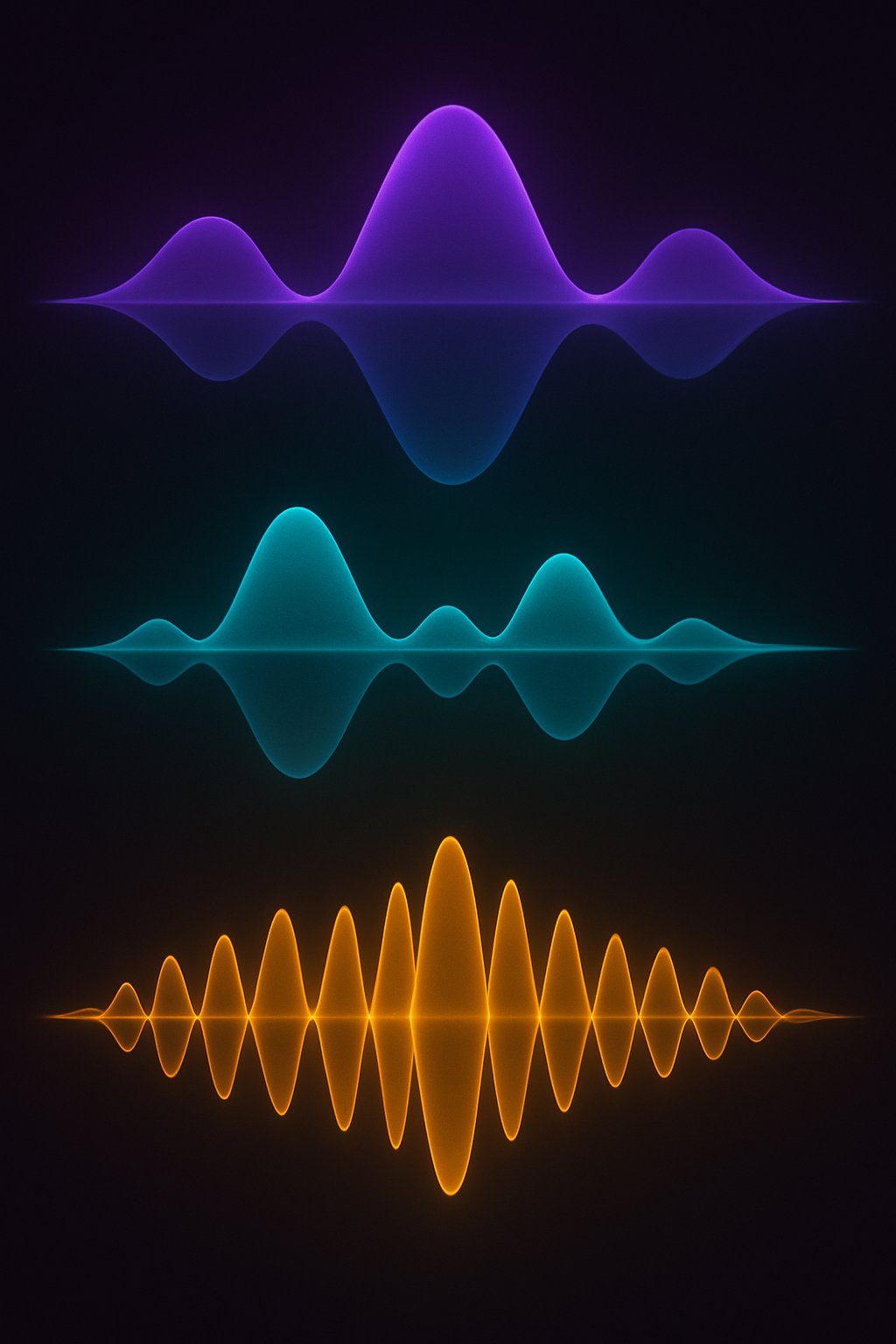
Here is the trick that makes bpm 92 one of the most flexible starting points in modern production: it is not really one tempo. It is three. The chord progression and harmonic structure stay locked at 92, but the rhythmic feel can shift dramatically depending on how the drummer or producer subdivides the pulse. This concept, the difference between half time vs double time 92 bpm, is what separates a basic beat from a shape-shifting arrangement.
As bassist and educator Damian Erskine explains, the key rule is simple: unless there is a denoted tempo change, the chords move at the same speed. Only the feel is affected. That single principle unlocks two entirely different worlds of energy from the same harmonic foundation.
Understanding Half-Time at 46 BPM
Imagine you are listening to a beat at 92 bpm. The snare cracks on beats 2 and 4, the hi-hats tick along in eighth notes, and everything feels like a comfortable mid-tempo groove. Switch to a 92 bpm half time feel and the snare suddenly lands only once every two beats of the original pulse, effectively dropping the perceived tempo to 46 BPM. The kick and snare spread out. Space opens up between hits. The music takes on a slow, heavy, atmospheric quality.
This is exactly the approach behind modern trap production. Trap instrumentals are a hybrid of slow, melodic elements and fast rhythmic elements layered on top. The snares follow the half-time grid, giving the beat that signature dragging weight, while the hi-hats run in rapid-fire triplets or thirty-second notes above it. The result feels both slow and fast at the same time. Ambient music and downtempo electronic producers use the same principle, letting the half-time pulse create vast, breathing landscapes where every kick drum feels like an event.
Double-Time at 184 BPM
Flip the concept and you get 92 bpm double time. The chord changes still resolve at the original pace, but the drummer plays as if the tempo were 184 BPM, packing twice as many kick and snare hits into every bar. Eighth notes become sixteenths. The energy spikes. What felt like a laid-back groove moments ago now sounds urgent, driving, almost breathless.
DJs use this relationship constantly. As Digital DJ Tips notes, mixing a track at one tempo into a song at double that tempo creates a smooth yet dramatic shift in energy, and the math works perfectly because the downbeats still align. Producers in drum-and-bass, punk-influenced pop-punk, and high-energy live arrangements lean on this same trick. A verse can breathe at 92 while the chorus explodes at 184, all without a single tempo change on the master clock.
Why Versatility Makes 92 BPM a Workhorse Tempo
This three-in-one flexibility is why so many producers set their DAW to 92 before they even have a concept for the track. Starting here keeps every door open during arrangement. Consider the range of feels available from a single session tempo:
- Half-time at 46 BPM: trap verses, ambient interludes, cinematic slow-burn sections, downtempo electronic grooves
- Straight time at 92 BPM: boom-bap hip-hop, mid-tempo R&B, reggaeton dembow patterns, relaxed pop hooks
- Double-time at 184 BPM: drum-and-bass energy, punk-influenced breakdowns, high-intensity choruses, rapid-fire rap delivery
A producer can sketch a mellow half-time intro, drop into a head-nodding 92 groove for the verse, and unleash a double-time chorus, all without touching the tempo knob. That kind of dynamic range from a single BPM setting is rare, and it is a big reason this tempo keeps showing up across genres that otherwise have very little in common.
Of course, knowing the theory is one thing. Hearing it in action across real songs is where the concept truly clicks.
Iconic Songs That Groove at 92 BPM
Theory and technique only go so far. The real proof of a tempo's power is in the music people actually listen to, and the catalog of 92 bpm songs stretches across decades, continents, and nearly every genre you can name. What follows is not a raw database dump. It is an editorially curated selection of tracks, organized by genre, with notes on why the tempo choice matters musically in each case. Every track listed below has been verified at 92 BPM through established music databases.
Hip-Hop and R&B Tracks at 92 BPM
Hip-hop was practically built on this tempo. The 90-to-95 BPM pocket is where boom-bap lives, and 92 sits right in the center of that sweet spot. 2Pac's "California Love" rides a G-funk bounce that feels effortless at this speed, giving the synths and vocal hooks room to breathe between hard-hitting verses. Snoop Dogg and Pharrell's "Drop It Like It's Hot" strips things down even further, proving that a minimalist beat at this pace can carry an entire song on groove alone. The Fugees' "Killing Me Softly With His Song" uses the same tempo to blend hip-hop production with neo-soul warmth, while MF DOOM's "Hoe Cakes" shows how experimental flows lock into the pocket with a head-nodding precision that faster tempos rarely allow.
On the R&B side, songs that are 92 bpm tend to lean into a laid-back, emotionally open delivery. Sade's "The Sweetest Taboo" is a masterclass in how this pace supports silky, unhurried vocal phrasing. Brent Faiyaz's "Trust" carries that same energy into a modern context, and Beyonce's "Beautiful Liar" with Shakira proves the tempo works just as well for pop-R&B crossovers. Classic soul fits here too. Gladys Knight & The Pips' "Midnight Train to Georgia" grooves at exactly this speed, its 92 BPM pulse giving the vocal performance all the space it needs to tell a story.
Pop and Rock Songs Near 92 Beats Per Minute
Most mainstream pop hovers around 120 BPM, so songs that are 92 beats per minute immediately stand out as more relaxed and textured. Radiohead's "Creep" is one of the most recognizable examples. That slower pace gives the quiet-loud dynamic its devastating emotional weight. Lana Del Rey's "Cinnamon Girl" uses the same tempo to build a dreamy, cinematic atmosphere, while Lauv's "I Like Me Better" proves a pop earworm can thrive well below the genre's typical speed.
Rock artists find a different kind of power here. Red Hot Chili Peppers land at this tempo on both "Dark Necessities" and "Give It Away," channeling funk-rock energy that grooves rather than sprints. Arctic Monkeys' "Why'd You Only Call Me When You're High?" leans into the tempo's late-night, slightly hazy character. Even heavier acts like Korn ("Blind") and Slipknot ("The Devil in I") use this pace to create crushing, deliberate riffs that hit harder precisely because they are not rushing.
Electronic, Reggaeton, and Global Genres
Reggaeton's signature dembow rhythm often lands between 90 and 100 BPM, and 92 gives it a slightly more relaxed, sensual feel compared to the more driving 95-plus range. Bad Bunny returns to this tempo repeatedly, with tracks like "Me Porto Bonito" and "Vete" riding the pocket with ease. Don Omar's "Guaya Guaya" and Tego Calderon's "Pa' Que Retozen" represent the genre's classic era at this exact speed. Beyond Latin music, Jamiroquai's "Virtual Insanity" brings acid jazz and funk into the fold, Phantogram's "Black Out Days" adds indietronica textures, and Tems' "Burning" channels Afrobeat grooves, all at the same tempo.
The table below pulls together standout tracks across genres for a quick-reference overview:
| Genre | Artist | Track Title | Note |
|---|---|---|---|
| West Coast Hip-Hop | 2Pac | California Love | G-funk bounce with room for melodic hooks |
| Hip-Hop / Neo-Soul | Fugees | Killing Me Softly With His Song | Blends hip-hop production with soulful vocal phrasing |
| R&B | Sade | The Sweetest Taboo | Silky, unhurried delivery that defines sophisticated soul |
| R&B / Rap | Brent Faiyaz | Trust | Modern R&B with moody, spacious production |
| Alternative Rock | Radiohead | Creep | Quiet-loud dynamics amplified by the slower pace |
| Pop | Lauv | I Like Me Better | Relaxed pop hook that stands apart from 120 BPM norms |
| Funk Rock | Red Hot Chili Peppers | Dark Necessities | Funk-driven groove that breathes at mid-tempo |
| Reggaeton / Trap Latino | Bad Bunny | Me Porto Bonito | Sensual dembow with a laid-back, summery feel |
| Reggaeton | Don Omar | Guaya Guaya | Classic-era dembow with raw, dancefloor energy |
| Funk / Acid Jazz | Jamiroquai | Virtual Insanity | Genre-blending groove anchored by a deep pocket |
| Afrobeat | Tems | Burning | Nigerian pop with a warm, rhythmically rich foundation |
| Classic Soul | Gladys Knight & The Pips | Midnight Train to Georgia | Storytelling vocal performance with a timeless groove |
What stands out across all these tracks is not just the tempo itself but how differently each genre interprets it. A reggaeton dembow at this speed feels nothing like a funk-rock groove or an alternative rock ballad, yet they all share the same underlying pulse. That shared foundation raises a practical question: what do the actual drum patterns behind these genres look like when you zoom in beat by beat?
Genre Drum Patterns and Rhythmic Feels at 92 BPM
Knowing which songs live at this tempo is useful. Being able to build the grooves yourself is where things get fun. Each genre interprets the same 92 bpm drum pattern foundation in a completely different way, and the differences come down to specific kick, snare, and hi-hat placements, sometimes separated by just a single sixteenth note. What follows are three genre-specific patterns you can program right now, broken into step-by-step construction guides so every hit has a clear home on the grid.
Boom Bap Drum Patterns at 92 BPM
A boom bap beat at 92 bpm is all about the pocket. The genre's name literally describes the sound: "boom" for the kick, "bap" for the snare. Boom bap drums traditionally fall in the 80-105 BPM range, and 92 sits right in the heart of that zone, giving you the signature head-nod feel that defined East Coast hip-hop in the 1990s. The tempo is slow enough for each hit to breathe but forward-moving enough to keep necks bobbing.
Here is how to build a classic two-bar boom bap pattern from scratch:
- Set your DAW or drum machine to 92 BPM in 4/4 time with a grid resolution of sixteenth notes.
- Place your kick drum on beat 1 (the downbeat) and on the "and" of beat 2 (the eighth-note upbeat between beats 2 and 3). These are your main kicks, the "boom" that anchors the groove.
- Add a ghost kick just before beat 3, on the last sixteenth note of beat 2. Keep its velocity at about 60-70% of the main kicks. This quieter hit creates the iconic "ba-boom" roll that gives boom bap its swing.
- Drop the snare on beats 2 and 4. Hit these hard, full velocity. The snare is the "bap," and it needs to crack through the mix with authority.
- Program hi-hats on every eighth note, giving you eight evenly spaced hits per bar. This is the standard boom bap hi-hat grid.
- Open the hi-hat on the "and" of beat 4 (the upbeat just before the bar loops). Let it ring slightly longer than the closed hats. This small detail adds a lift that pulls the listener into the next bar.
- Apply swing to the sixteenth-note grid. A value between 57% and 64% pushes every second sixteenth note slightly late, giving the pattern a human, loping feel rather than a rigid, mechanical one. Classic MPC swing sits around 58% for boom bap, which is the sweet spot most producers start with.
- Vary the hi-hat velocities. Accent the downbeats at full strength, drop the upbeats to around 70%, and let any ghost hat taps sit at 30-40%. This dynamic layering is what separates a programmed pattern from a groove that sounds like a real drummer.
The result should feel like a relaxed but confident strut. If your head is not nodding by the time the loop comes around, try nudging the ghost kick closer to beat 3 or adding a touch more swing. Boom bap lives in those tiny timing adjustments.
Reggaeton Dembow Rhythm at 92 Beats Per Minute
The dembow pattern is reggaeton's rhythmic DNA. Originating from a Jamaican dancehall riddim created by Steely & Clevie in the late 1980s, it traveled through Panama and Puerto Rico before becoming the "boom-ch-boom-chick" backbone of virtually every Latin urban hit since the early 2000s. Reggaeton typically runs between 85 and 100 BPM, and programming the reggaeton dembow 92 bpm version gives it a slightly more laid-back, sensual character compared to the more driving 95-plus range common in club-oriented tracks.
The pattern is deceptively simple, just a two-beat syncopated loop, but the specific placement of each element is what creates that instantly recognizable bounce:
- Set your tempo to 92 BPM in 4/4 time. The dembow is a one-bar pattern that loops, so you only need to program four beats.
- Place a strong kick on beat 1. This is the anchor, the downbeat that grounds the entire groove.
- Add a snare or rimshot on the "and" of beat 1 (the eighth-note upbeat). This is the first syncopation, and it is what creates the initial bounce. The kick-to-rimshot spacing is tight, almost like a quick one-two punch.
- Place a second kick on the "and" of beat 2. This off-beat kick is critical. It creates the forward momentum that makes dembow feel like it is constantly pulling you toward the next bar.
- Drop a snare or rimshot on beat 3. This hit anchors the second half of the phrase and gives dancers a predictable landing point.
- Leave beat 2 relatively open. A light percussion hit or a rest works here. The space is part of the groove, giving the syncopated elements around it room to pop.
- On the "and" of beat 3, add a light hi-hat or leave it as a rest depending on how sparse you want the pattern. Many producers keep this spot empty in classic dembow and fill it with a shaker or hi-hat in more modern productions.
- Keep beat 4 minimal. A soft kick or nothing at all. The pattern's power comes from the syncopation in the first three beats, and beat 4 simply sets up the loop restart.
At 92 BPM, this pattern breathes more than it would at 96 or 100. The extra space between hits gives vocalists room for melodic phrasing and lets producers layer 808 bass, melodic elements, and harmonic content over the rhythm without the mix feeling crowded. That is why artists like Bad Bunny and Don Omar keep returning to this pocket for tracks that need to feel sensual rather than aggressive.
R&B and Neo-Soul Groove Construction
If boom bap is about the pocket and dembow is about the bounce, R&B and neo-soul grooves at this tempo are about feel. Specifically, they are about what happens when you deliberately play slightly behind the beat. This concept, called microtiming, is the secret ingredient that gives neo-soul its signature "lazy" quality, where every hit sounds relaxed and unhurried even though the tempo has not actually changed.
Here is how to construct a laid-back R&B groove that captures that character:
- Set your tempo to 92 BPM in 4/4 time with a sixteenth-note grid. If your DAW has a swing or groove template option, load a 62% swing value to start. This heavy shuffle percentage is characteristic of neo-soul and jazz-influenced production.
- Place a deep, round kick on beat 1 and beat 3. Keep these hits solid but not overly punchy. R&B kicks tend to be warmer and rounder than boom bap kicks, more felt in the chest than heard in the speakers.
- Add the snare on beats 2 and 4 at full velocity. These are your backbeats, the structural spine of the groove.
- Now add ghost notes on the snare. Place very quiet snare taps (velocity around 25-35%) on the "e" of beat 2, the "a" of beat 3, and the "e" of beat 4. These ghost notes should be barely audible, more texture than rhythm. They fill the space between the main hits with a subtle, rolling murmur that makes the pattern feel alive.
- Program hi-hats on every sixteenth note, giving you sixteen hits per bar. This is the foundation of the swung sixteenth-note pattern that defines the genre.
- Shape the hi-hat dynamics carefully. Accent beats 1, 2, 3, and 4 at about 80% velocity. Drop the "and" notes to 60%. Pull the "e" and "a" notes down to 35-45%. This creates a wave-like dynamic contour across every beat, mimicking the natural hand motion of a drummer riding a real hi-hat.
- Nudge the entire hi-hat pattern 5 to 15 milliseconds behind the grid. This is the microtiming move that transforms a competent pattern into a neo-soul groove. The slight delay makes every hi-hat tick feel like it is arriving just a fraction late, creating that dragging, behind-the-beat sensation. J Dilla famously pushed this concept to its extreme, and even subtle applications of it change the feel dramatically.
- Add an open hi-hat on the "and" of beat 4, letting it sustain into beat 1 of the next bar. Assign it to the same mute group as your closed hats so the closed hit on beat 1 chokes it naturally, just like a real cymbal.
The finished pattern should feel like sinking into a comfortable chair. Nothing rushes. Every ghost note and swung hi-hat tick adds a layer of warmth and complexity that rewards repeated listening. If the groove feels too stiff, push the hi-hat delay a few more milliseconds behind the grid. If it feels sloppy, pull it back. The sweet spot is different for every track, but at 92 BPM, you have enough space between beats to find it without the pattern falling apart.
Three genres, three completely different rhythmic personalities, all sharing the same tempo. The patterns on this page are starting points, not formulas. The real magic happens when you sit down, program the basics, and start tweaking velocities, swing values, and timing offsets until the groove feels like yours. That process goes a lot smoother with the right practice habits, which is exactly where things head next.
How to Practice Effectively at 92 BPM
Programming a groove in a DAW is one thing. Playing it cleanly with your own hands, voice, or instrument is a different challenge entirely. Whether you are locking in a bass line, nailing a vocal rhythm, or tightening up a guitar riff, knowing how to practice at 92 bpm with intention is what separates a rough idea from a polished performance.
Starting Slow and Building Up to 92 BPM
The instinct is to fire up a 92 bpm metronome and jump straight in. Resist it. Playing at target tempo before your fingers, breath, or voice can handle it cleanly just burns mistakes into muscle memory. As the progressive speed building method makes clear, real precision is built from the bottom up.
Start by finding your floor, the tempo where you can play the passage perfectly with zero errors, relaxed hands, and even rhythm. For many players, that floor sits around 60 to 70 BPM, even when the target is 92. That gap is fine. Once the passage is clean, bump the tempo up by 4 to 5 BPM. Play it again. If it stays clean, bump again. If anything gets sloppy, stay put or drop back down. The key word is clean, not "close enough." This methodical approach means your ceiling from Monday becomes your comfortable warm-up tempo by Thursday, and the gains stick because they were built on accuracy rather than adrenaline.
Counting Subdivisions and Common Time Signatures
One of the most effective 92 bpm practice tips is deceptively simple: stop counting quarter notes and start counting subdivisions. Your internal clock gets dramatically more stable when you mentally track the smaller rhythmic units between each beat.
In 4/4 time, the most common meter you will encounter at this tempo, eighth notes subdivide each beat into two. Count them as "1-and-2-and-3-and-4-and." You will feel the pulse tighten almost immediately because your brain now has twice as many reference points per bar. Sixteenth notes take it further, splitting each beat into four and counted as "1-e-and-a-2-e-and-a-3-e-and-a-4-e-and-a." This is the grid that boom bap swing, neo-soul ghost notes, and dembow syncopation all live on.
The same principle applies in other time signatures. In 3/4, you are counting three beats per bar instead of four, but the subdivision logic is identical: "1-and-2-and-3-and" for eighths, "1-e-and-a-2-e-and-a-3-e-and-a" for sixteenths. In 6/8, the feel shifts to a compound meter where each of the two main pulses contains three eighth notes, counted as "1-2-3-4-5-6." At 92 BPM in 6/8, the dotted-quarter-note pulse gives the music a lilting, waltz-adjacent sway that works beautifully for ballads and folk-influenced arrangements. Whichever meter you are working in, subdividing mentally keeps your timing locked far tighter than counting quarter notes alone.
Using a Metronome and Tempo Tools Effectively
A 92 metronome click on all four beats is a good starting point, but it can become a crutch. Once a passage feels solid, try shifting the click to beats 2 and 4 only. This forces you to generate beats 1 and 3 internally, building the kind of independent internal clock that holds up under performance pressure. When that feels comfortable, try the metronome gap method: play four bars with the click, then four bars without it, then check if you are still in sync when the click returns. Speeding up during the gap is the most common error and a clear sign your internal pulse needs more work.
Beyond the click track, modern audio tools open up a practice workflow that was not possible even a few years ago. MakeBestMusic's Vocal Remover lets you isolate instrument tracks from any recording and adjust playback speed with pitch control. In practice, that means you can pull up a reference song at 92 BPM, strip out the guitar or vocal part, slow the track down to your current floor tempo, learn the part at a comfortable speed, and then gradually bring the playback back up to the original tempo. You end up practicing with the real arrangement rather than a sterile click, which bridges the gap between metronome drilling and actual musical performance.
Here is a session-by-session checklist you can follow to put all of this together:
- Find your floor tempo by playing the passage perfectly at a slow, relaxed speed (start around 60-70 BPM).
- Increment by 4-5 BPM per round, only moving up when the current tempo is completely clean.
- Count subdivisions out loud ("1-e-and-a") until the internal pulse feels automatic.
- Shift the metronome click to beats 2 and 4 once the passage is stable at target tempo.
- Test your internal clock with the metronome gap method: four bars on, four bars off, check sync.
- Use a track isolation tool to practice along with a real recording, slowing it down as needed and building back up to 92 BPM.
- Record yourself at target tempo and listen back to identify where timing breaks down.
Consistent, focused sessions using this approach will get you locked in at this tempo faster than hours of unfocused noodling. And once the rhythm feels second nature in your hands, it is worth stepping back to consider why this particular pulse feels so natural in your body.
92 BPM and Your Body's Natural Rhythm
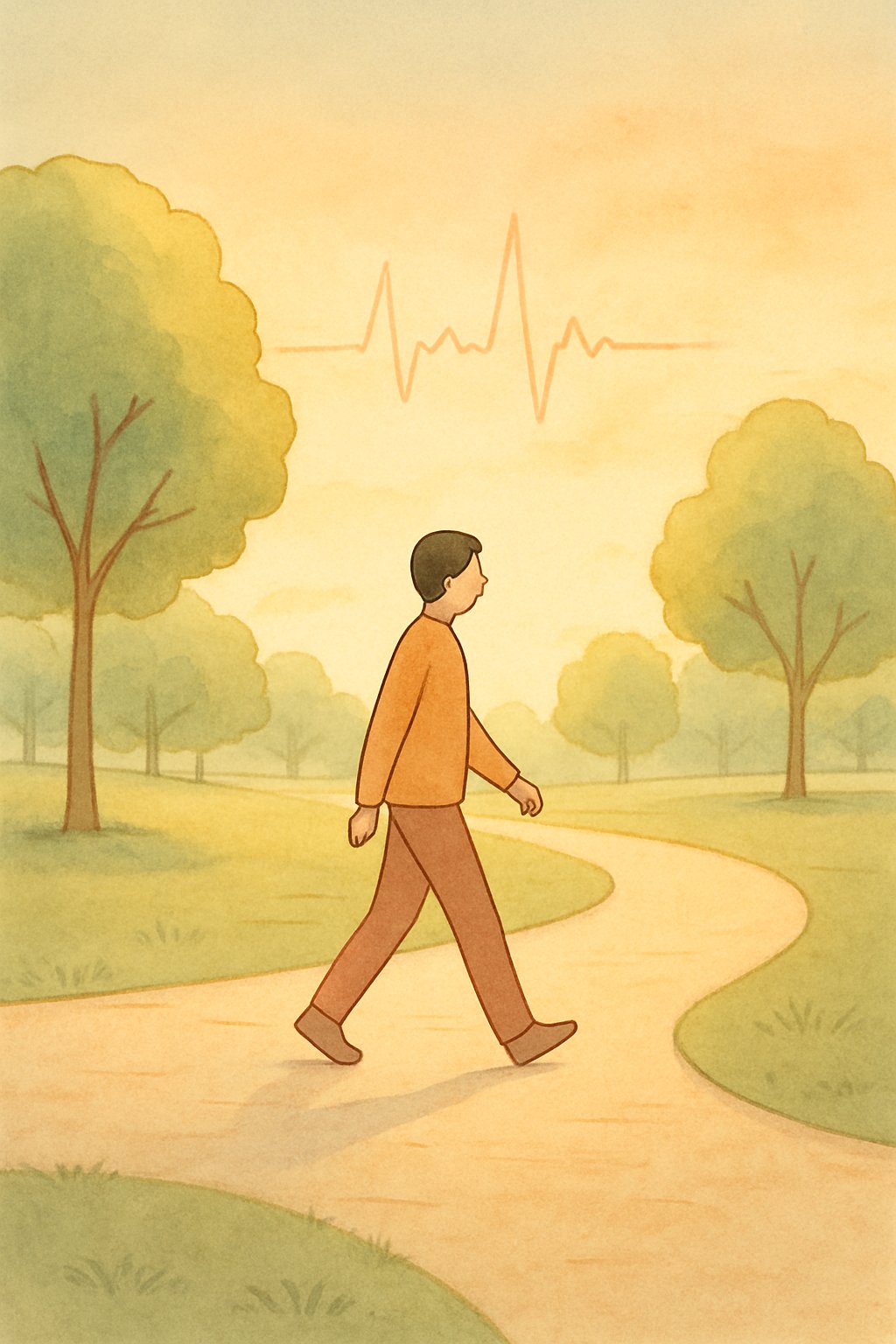
The letters "BPM" show up in two very different contexts. Musicians use them to describe tempo. Doctors use them to describe your heart rate. And at 92, those two worlds overlap in a way that might explain why mid-tempo grooves feel so instinctively right.
Resting Heart Rate and the 92 BPM Connection
A normal adult resting heart rate falls between 60 and 100 beats per minute. So is 92 bpm heart rate normal? For most healthy adults, yes. It sits in the upper portion of that range, which is perfectly typical, especially for people who are less physically active, dealing with stress, consuming caffeine, or simply having a slightly elevated baseline. Athletes tend to clock in lower, sometimes in the 40s or 50s, but a resting pulse in the low 90s is not a red flag on its own.
What makes this interesting from a musical perspective is the physiological echo. When you listen to a track at a tempo close to your own resting heart rate, the rhythm can feel almost eerily comfortable, like the music is breathing with you rather than at you. This is an observational connection, not a medical claim, but it may partly explain why mid-tempo grooves between 85 and 100 BPM have such universal, cross-cultural appeal. Your body already knows this pulse.
Music near your resting heart rate can feel like a second heartbeat, which may be one reason mid-tempo grooves resonate so deeply across cultures and generations.
Curious about your own number? Here is how to check pulse manually: place your index and middle fingers on the inside of your wrist, just below the base of your thumb, or on the side of your neck beside your windpipe. Count the beats you feel for 15 seconds, then multiply by four. That gives you your resting rate. Try it while a 92 BPM track plays in the background and notice whether the rhythms align. For many people, they land surprisingly close.
Several factors influence where your resting rate falls. Cleveland Clinic notes that fitness level, stress, sleep quality, medications, and even pregnancy can all push the number higher or lower. If your pulse consistently sits above 100 at rest or you experience symptoms like palpitations or dizziness, that is worth a conversation with a healthcare provider. But a steady 92? For most adults, that is just your body doing its thing.
Workout Playlists and Walking Pace Music
This tempo-body connection has a practical side too. A brisk walking pace for many adults falls right around 92 bpm walking pace music territory, making tracks at this speed a natural fit for low-impact exercise playlists, cool-down sequences after a hard run, or yoga flow sessions where you want steady momentum without intensity.
A Runner's World test found something surprising when measuring how song tempo affected running performance: a track at just 92 BPM, "The Body Electric" by Hurray for the Riff Raff, actually produced the tester's fastest pace of the entire workout, beating out songs at 135, 156, and even 168 BPM. The takeaway was not that slower music makes you faster, but that how a song makes you feel matters more than its raw tempo number. A groove you connect with can energize your stride regardless of the BPM on the label.
For building a workout playlist around this tempo, think about context. Walking, stretching, and cool-down phases benefit from the relaxed-but-moving quality that 92 BPM delivers naturally. Pair it with the half-time and double-time concepts from earlier in this article and you can even build a single-tempo playlist that shifts energy across a full session, mellow half-time tracks for warm-up, straight-time grooves for the main walk, and double-time feels for a burst of intensity before cooling down.
The body responds to this tempo whether you are making music or moving to it. That same responsiveness shows up when you start comparing 92 to its closest neighbors on the tempo dial, where even a shift of two or three BPM changes the emotional character more than you might expect.
How 92 BPM Compares to Neighboring Tempos
A difference of two or three BPM looks trivial on paper. In practice, it is the kind of decision producers will A/B test for an hour before committing. The feel of a track shifts noticeably across the range from 88 to 100, and understanding those shifts helps explain why 92 keeps landing in the sweet spot.
88-90 BPM vs 92 BPM — Subtle but Significant
Drop just 2 to 4 BPM below 92 and the groove sinks deeper into Andante territory. At 88 or 90, the space between beats widens enough that the music starts to feel heavier, more contemplative, and slightly more spacious. Snare hits linger a fraction longer. Vocal phrases stretch out. The overall character tilts toward introspection rather than momentum.
This is the pocket where lo-fi hip-hop (70-90 BPM), downtempo electronic, and slow R&B ballads tend to live. A producer weighing 90 bpm vs 92 bpm is really choosing between a groove that invites you to lean back and one that keeps your head nodding forward. Both feel relaxed, but the difference between 90 and 92 bpm is the difference between sinking into a couch and walking through a park. Small on the clock, obvious in the body.
95-100 BPM vs 92 BPM — Where Energy Picks Up
Move 3 to 8 BPM in the other direction and the energy lifts. At 95, the groove crosses into solidly Moderato-adjacent territory. The pulse feels more driving, the rhythmic momentum more insistent. By 100, you are in the zone where West Coast G-funk tops out and funk begins, and the laid-back quality of the low 90s gives way to something more upbeat and physically engaging.
Mainstream reggaeton often pushes toward 95-100 for exactly this reason. The dembow pattern at 95 feels more urgent, more club-ready, than the same pattern at 92. Uptempo pop gravitates here too. When a producer is weighing 92 bpm vs 95 bpm, the question is not really about speed. It is an emotional decision: do you want the listener swaying or stepping? Grooving or dancing? That 3 BPM gap carries more mood than math.
The table below maps out these neighboring tempos side by side so you can see the full gradient at a glance:
| Tempo | Typical Feel | Common Genres | Musical Character |
|---|---|---|---|
| 88 BPM | Slow, spacious, heavy | Lo-fi hip-hop, downtempo, slow R&B | Contemplative and atmospheric, invites deep listening |
| 90 BPM | Relaxed, laid-back groove | Boom bap, neo-soul, reggae-influenced pop | Comfortable lean-back energy, slightly dreamy |
| 92 BPM | Balanced, forward-moving calm | Hip-hop, R&B, reggaeton, mid-tempo pop, film scoring | Sweet spot where relaxation meets rhythmic momentum |
| 95 BPM | Driving, moderately energetic | Mainstream reggaeton, uptempo R&B, funk | Noticeably more insistent, pushes listeners toward movement |
| 100 BPM | Upbeat, walking-to-striding pace | G-funk, funk, pop-rock, Afrobeats | Energetic and physical, clearly in Moderato territory |
Notice how 92 sits at the pivot point of the gradient. Everything below it pulls toward stillness. Everything above it pushes toward action. That central position is exactly why it works across so many genres and why producers who land on it rarely feel the need to nudge the tempo dial in either direction. It already balances both impulses.
With a clear picture of where this tempo sits relative to its neighbors, the final piece is knowing which tools make it easiest to work at this speed, whether you are practicing, producing, or pulling apart a reference track to study how the groove was built.
Essential Tools and Next Steps for Working at 92 BPM
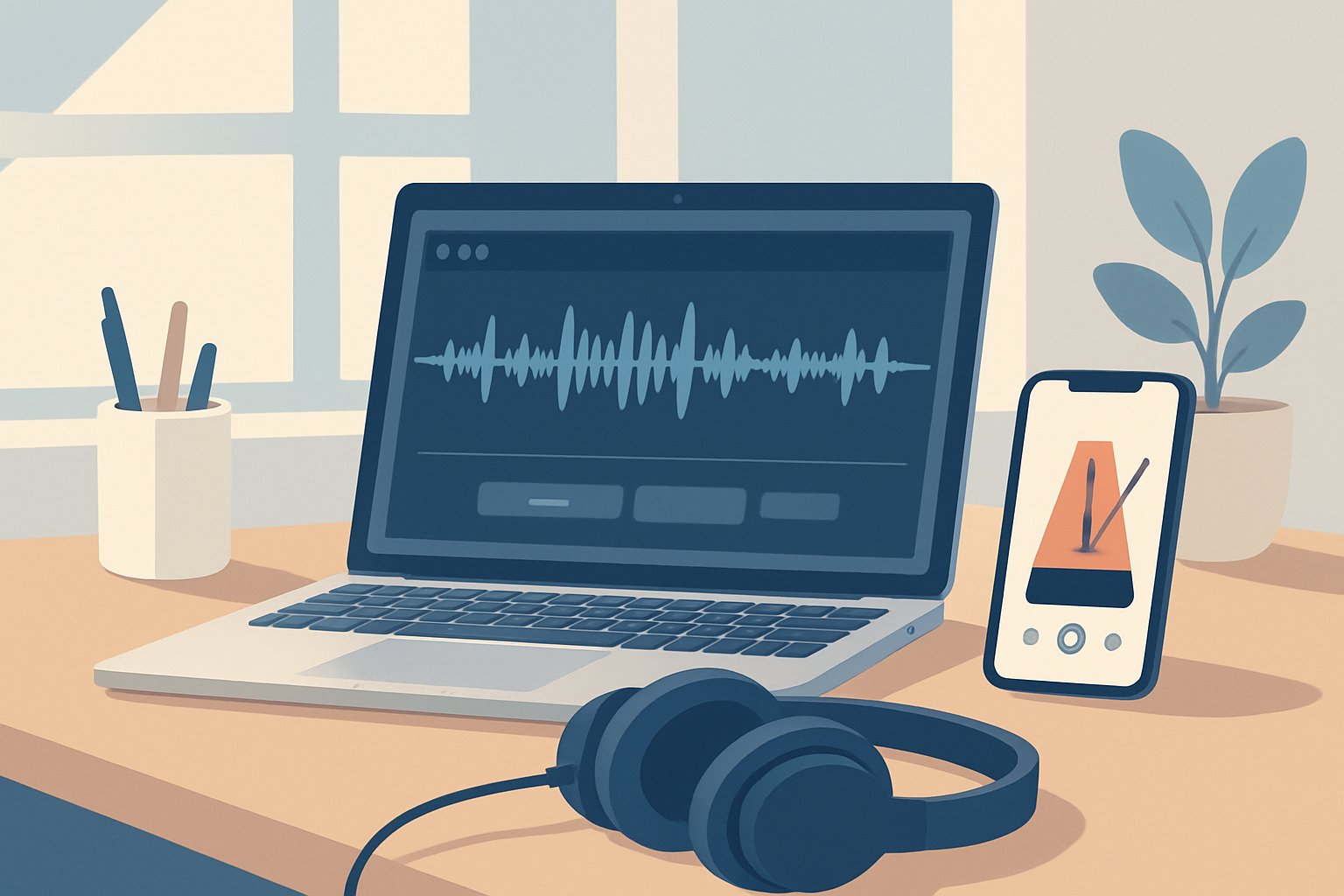
Understanding a tempo intellectually is one thing. Sitting down and working with it, beat by beat, is where the knowledge becomes skill. The right 92 bpm practice tools make that transition faster and more enjoyable, whether you are drilling fundamentals with a click track or dissecting a reference song layer by layer.
Free Online Metronomes for 92 BPM Practice
The simplest way to start is with a free metronome 92 bpm click running in your browser. Several web-based metronomes let you type in your target tempo and start playing within seconds, no downloads or accounts required. For quick practice sessions, a basic browser metronome is all you need. If you want more control, dedicated apps take things further. Metronome by Soundbrenner is a strong free option with a clean interface, support for subdivisions and time signatures, and the ability to build song playlists with different tempo assignments. For a more complete practice toolkit, Tonal Energy combines a metronome with a tuner, drone, and sound analysis tools in a single app, making it a solid choice for serious students who want everything in one place.
Whichever 92 bpm metronome online tool you choose, remember the practice principles from earlier: shift the click to beats 2 and 4 once you are comfortable, test yourself with the gap method, and count subdivisions rather than quarter notes. The tool matters less than how you use it.
Audio Tools for Tempo Adjustment and Track Isolation
A click track builds your internal clock. But real music is not a click track, and the gap between metronome drilling and performing with a full arrangement is where many players stall. Modern audio tools bridge that gap by letting you work directly with recordings.
MakeBestMusic's Vocal Remover is particularly useful here. Its audio speed changing and pitch control features let you upload a song, isolate specific instrument or vocal stems, and adjust the playback tempo without affecting pitch. In a practical workflow, that means a guitarist can pull up a track at 92 BPM, strip out the original guitar part, slow the backing track down to a comfortable learning tempo, nail the part, and then gradually bring the speed back up to the original pace with the pitch intact. You end up practicing with real musical context rather than a sterile click, which makes the transition to performance feel natural. Platforms like Music AI offer similar tempo-shifting and stem separation workflows for producers who need more granular control over individual tracks.
Putting It All Together
Here is a quick-reference list of the tools worth bookmarking:
- MakeBestMusic Vocal Remover — isolate stems, adjust playback speed, and practice along with real recordings at any tempo with pitch locked
- Metronome by Soundbrenner (free app) — clean, ad-free metronome 92 click with subdivisions, time signatures, and song playlists
- Tonal Energy ($3.99 app) — all-in-one practice suite combining metronome, tuner, drone, and audio analysis
- Browser-based metronomes — instant, no-install click tracks for quick sessions when you just need a pulse
92 BPM is far more than a number on a dial. It is a tempo that spans genres from boom bap to reggaeton, connects to the rhythm your own heart keeps at rest, and rewards anyone who takes the time to understand its character. Set the click, load a track, and start playing. The groove is waiting.
Frequently Asked Questions About 92 BPM
1. Is 92 BPM considered Andante or Moderato?
Most music theory references place 92 BPM in the upper range of Andante, which typically spans 76 to 108 BPM. However, some sources recognize a dedicated marking called Andante Moderato (roughly 92-98 BPM) for this exact zone. The tempo inherits the lyrical, breathing quality of Andante while hinting at the forward drive of Moderato, which is why it works so well for storytelling in both classical compositions and contemporary production.
2. What genres commonly use 92 BPM?
This tempo crosses an unusually wide range of genres. It is a staple of boom-bap and East Coast hip-hop, a natural fit for R&B and neo-soul grooves, and frequently appears in reggaeton dembow patterns when producers want a more relaxed, sensual feel. Pop, alternative rock, funk, Afrobeats, and film scoring all draw from this tempo as well. Its versatility increases further when producers apply half-time (46 BPM feel) for trap and ambient textures or double-time (184 BPM feel) for drum-and-bass energy.
3. Is a resting heart rate of 92 BPM normal?
For most healthy adults, a resting heart rate of 92 beats per minute falls within the normal range of 60 to 100 BPM. Factors like fitness level, stress, caffeine intake, sleep quality, and medications can all influence where your resting rate lands. Athletes often have lower resting rates in the 40s or 50s, but a steady 92 is not a medical concern on its own. If your pulse consistently exceeds 100 at rest or you experience symptoms like dizziness or palpitations, consult a healthcare provider.
4. How can I practice playing music at 92 BPM effectively?
Start well below target tempo, around 60-70 BPM, and only increase by 4-5 BPM once you can play the passage cleanly with zero errors. Count subdivisions like eighth notes (1-and-2-and) or sixteenth notes (1-e-and-a) instead of quarter notes alone to lock your timing. Once comfortable, shift your metronome click to beats 2 and 4 to build internal pulse. Tools like MakeBestMusic's Vocal Remover let you isolate instrument stems from real recordings and slow them down for practice, then gradually bring the tempo back up to 92 BPM with pitch intact.
5. What is the difference between 90 BPM and 92 BPM in music production?
While a 2 BPM gap seems negligible, the feel shifts noticeably. At 90 BPM, grooves lean deeper into Andante territory with a heavier, more contemplative, and spacious character suited to lo-fi hip-hop and slow R&B. At 92 BPM, the pulse gains just enough forward momentum to feel balanced between relaxation and rhythmic drive, making it more versatile across genres like mainstream hip-hop, reggaeton, and mid-tempo pop. Producers often A/B test these neighboring tempos because the emotional difference is larger than the numbers suggest.
