


What Is an AI Jingle Generator and How Does It Actually Work
Imagine typing a short description of your brand, clicking a button, and hearing a fully produced jingle seconds later — complete with vocals, melody, and mixing. That is exactly what modern AI-powered jingle tools deliver. Yet most people have no idea what happens between the prompt and the playback. This section pulls back the curtain.
Defining the AI Jingle Generator
An ai jingle generator is a software tool that uses artificial intelligence models to compose short, branded musical pieces from text-based prompts. It combines AI music composition, synthesized or cloned vocals, and sound-effect layering into a finished audio file — all without requiring the user to play an instrument, read sheet music, or step inside a recording studio. In practical terms, you describe what you want in plain language, and the system handles composition, arrangement, vocal performance, and production in a single pass.
Some platforms market themselves as an AI jingle maker or a jingle generator, but the core concept is the same: text goes in, branded audio comes out.
How the Technology Stack Comes Together
Sounds complex? It is — under the hood. But you don't need a computer science degree to grasp the building blocks. Every tool in this category relies on a layered technology stack, and understanding those layers helps you choose the right platform and write better prompts.
At the foundation sit text-to-music generation models. These deep-learning systems translate written descriptions into melodies, chord progressions, and rhythmic patterns. Many of them use transformer architectures — the same family of models behind large language models — adapted to process audio tokens instead of words. The transformer's attention mechanism allows the model to understand how different parts of a musical sequence relate to each other, predicting what note or beat should come next based on everything that preceded it.
Layered on top of the music engine is a vocal synthesis module. This component converts lyrics into sung or spoken audio. Some tools use text-to-speech pipelines enhanced with pitch and rhythm control, while others employ voice-cloning technology built on autoregressive models or generative adversarial networks (GANs) to replicate realistic human vocal tones. The result is a vocal track that sounds increasingly natural — though the quality varies significantly from one platform to another.
Connecting the two is a lyrics generation or interpretation layer. When you supply your own script, this layer maps your words onto the musical meter so syllables land on beats. When you don't provide lyrics, the AI writes them based on the brand details in your prompt.
Finally, an audio mixing and mastering pipeline balances vocal levels against instrumentation, applies equalization and compression, and exports the finished file in a standard format like MP3 or WAV.
Here are the four key technology layers working inside virtually every jingle generator:
- AI music composition engine — generates melody, harmony, rhythm, and instrumentation from text prompts.
- Vocal synthesis or voice-cloning module — produces sung or spoken vocal tracks that match the desired tone and style.
- Lyrics generation or interpretation layer — creates original lyrics or aligns user-supplied words to the musical meter.
- Audio mixing and mastering pipeline — balances, polishes, and exports the final audio file ready for broadcast or streaming.
Different platforms may use different model architectures and versions within each layer. One tool might lean on variational autoencoders (VAEs) to compress and reconstruct audio in a latent space, while another relies heavily on transformer-based generation for both music and vocals. These architectural choices directly affect output quality, generation speed, and tonal variety — which is why the same prompt can produce noticeably different results across two competing tools.
Why This Matters for Non-Musicians
You might wonder why any of this technical background matters if you never plan to train a model yourself. The answer is practical: when you understand that the AI is interpreting your words to select musical patterns, you realize that vague prompts produce generic results. Specificity in genre, mood, tempo, and vocal style gives each layer better data to work with — and that translates directly into a catchier, more on-brand jingle.
No musical training is required. The AI handles composition, arrangement, vocal performance, and production simultaneously. But knowing what the machine is doing at each stage turns you from a passive button-clicker into a strategic creative director — someone who can guide the output rather than simply hope for the best.
With the technology demystified, a natural question emerges: how did jingle production reach this point in the first place? The journey from multi-week studio sessions to instant AI output is shorter — and more dramatic — than most people realize.
The Evolution of Jingle Production From Studio to AI
Every catchy tune you remember from a childhood commercial — the fast-food earworm, the insurance company melody you can still hum decades later — was born from a production process that looked nothing like typing a sentence into a browser. Understanding that older workflow puts today's AI-driven approach into sharp perspective, and it reveals exactly why the barrier to custom audio branding has dropped so dramatically.
From Recording Studios to Stock Libraries
Picture the traditional jingle creation pipeline. A brand would start by hiring a specialized jingle creator — typically a composer-lyricist team — who would spend days or weeks studying the product, target audience, and competitive landscape before writing a single note. Once the creative direction was approved, session musicians were booked, a vocalist was cast, and everyone converged on a professional recording studio for one or more sessions. After tracking, an audio engineer handled mixing and mastering, and a final buyout fee transferred usage rights to the brand.
The timeline from initial briefing to finished thirty-second spot could stretch anywhere from several weeks to a few months. And the cost? According to Sound Imagination, a production house with national credits, even a decent local or small regional jingle typically starts around $4,000 to $5,000 — and that is at the lower end of the spectrum. National campaigns involving union singers, multi-part vocal arrangements, and residual contracts could push budgets significantly higher. The quality was often exceptional, but the price and lead time placed custom jingles firmly out of reach for most small businesses, solo podcasters, and independent creators.
An intermediate solution emerged with stock music libraries and royalty-free audio marketplaces. These platforms offered pre-produced music beds that anyone could license for a fraction of studio costs — sometimes for as little as a few dollars per track. The tradeoff was obvious: you gained speed and affordability, but you sacrificed brand uniqueness. A royalty-free loop cannot sing your company name or communicate your specific value proposition. Thousands of other businesses might use the exact same track, diluting any sense of sonic identity. Stock libraries lowered the financial barrier, yet they could never truly replace a bespoke jingle.
The AI-Powered Shift in Jingle Creation
This is the gap that AI-powered tools now fill. Instead of hiring a team of specialists or settling for generic stock audio, a modern jingle maker built on generative AI collapses the entire production pipeline — composition, lyrics, vocals, mixing — into a single interface that accepts a text prompt and returns a finished piece in seconds or minutes. The shift is not incremental; it is structural.
Consider the democratization angle. A neighborhood bakery, a solo YouTube creator, or a nonprofit with a shoestring marketing budget can now access jingles creation capabilities that were once reserved for brands with five-figure audio budgets. As industry analysts project, the AI-in-music market is on pace to grow from $3.9 billion in 2023 to $38.7 billion by 2033, reflecting just how rapidly adoption is accelerating across creative sectors — advertising and audio branding included.
The shift from studio to AI is not just about cost reduction. It is about making custom audio branding accessible to anyone with a keyboard and an idea worth sharing.
This accessibility explains the rising search interest in terms like "jingle maker" and "jingle creator." More people than ever realize they need branded audio — for podcast intros, social media clips, phone hold messages, and digital ads — and they are actively looking for tools that let them produce it without musical training or a recording budget. The demand side has always existed; what changed is the supply side. AI removed the bottleneck of cost, time, and expertise that kept custom jingles out of reach for the majority of creators and small business owners.
Still, speed and affordability only matter if the output is actually good. A jingle that loads in five seconds but fails to stick in a listener's memory has not really solved the problem. That raises a more fundamental question: what structural ingredients separate a forgettable jingle from one people hum for years?
Anatomy of an Effective Jingle That People Remember
Before you open any AI tool and start generating audio, you need a clear picture of what a great jingle actually looks like from the inside. Think of it this way: a chef who understands flavor profiles will always outperform someone who randomly tosses ingredients into a pot — even if both are using the same kitchen. The same logic applies here. When you understand jingle structure, every prompt you write becomes sharper, and every output you evaluate becomes easier to judge.
The Five Structural Elements of a Great Jingle
Every memorable jingle — whether it was composed by a studio team in 1985 or generated by AI yesterday — shares the same core anatomy. Strip away the genre, the instrumentation, and the brand name, and you will find five structural elements working together.
- Intro hook — The opening musical phrase that grabs attention within the first two seconds. This is the sonic handshake, the moment a listener decides whether to keep paying attention or tune out. A strong intro hook usually features a distinctive melodic motif or a rhythmic surprise that separates it from background noise. As melody creation research suggests, keeping this motif to four to six notes and repeating it with small variations produces the fastest recognition.
- Brand mention — Strategic placement of the business or product name, ideally within the first five seconds. Early placement ensures that even listeners who hear only a fragment of the jingle walk away with brand awareness. For awareness-focused campaigns, front-loading the name is critical; for storytelling spots, saving it for the closing tag can build anticipation.
- Value proposition line — A concise lyrical statement of what the brand offers or why it matters. This is the "what's in it for me" moment. Effective value proposition lines are short enough to sing in a single breath and specific enough to differentiate the brand from competitors. "Fresh baked daily" says more than "we're the best."
- Musical bed — The underlying melody, harmony, tempo, and instrumentation that set the emotional tone for everything else. The bed is the canvas on which every other element sits. It controls whether the jingle feels exciting, trustworthy, playful, or premium — often before a single word is sung.
- Closing tag — A memorable sign-off phrase or sonic logo that lingers after the audio stops. The best closing tags are so concise they almost function as audio punctuation: a final melodic resolution, a spoken tagline, or a brief sound effect that signals the end. This is the element listeners replay in their heads long after the jingle finishes.
When you sit down to create a jingle — or to write a prompt that asks AI to build one — these five elements give you a structural blueprint. Missing even one of them often explains why a jingle feels incomplete or forgettable.
What about length? Ideal jingle duration depends entirely on where the audio will live. For radio or streaming ad spots, fifteen to thirty seconds is the sweet spot. Podcast intros and radio station IDs typically run five to ten seconds — just long enough for an intro hook, a brand mention, and a closing tag. Shorter formats demand even more disciplined writing because every syllable carries more weight.
Melody, Tempo, and Emotional Tone Selection
Imagine two versions of the same jingle script — identical words, identical brand name — but one is set to an upbeat pop instrumental at 130 BPM and the other rides a slow piano ballad at 75 BPM. They would feel like advertisements for two entirely different companies. That is how powerfully tempo and melody shape perception.
Tempo, measured in beats per minute, is one of the most influential structural features in any piece of music. Research published in Frontiers in Psychology found that fast-tempo music significantly increases listener arousal — the degree to which a person feels excited, stimulated, and alert — while slow-tempo music promotes calm and reflective states. For jingle creators, this translates into a practical decision matrix:
- Upbeat tempos (120-140 BPM) — Convey energy, excitement, and urgency. Ideal for fitness brands, food delivery services, tech startups, or any business that wants to feel dynamic and action-oriented.
- Mid-range tempos (90-110 BPM) — Feel trustworthy, warm, and conversational. Well suited for healthcare providers, financial services, family brands, and businesses where reliability matters more than adrenaline.
- Slower tempos (below 90 BPM) — Project sophistication, calm, or reflective depth. Think luxury goods, wellness studios, or premium hospitality brands that want to signal exclusivity and deliberation.
Melody selection follows a similar logic. The most effective jingles rely on simple melodic hooks — short, repeatable sequences of pitches and rhythms that listeners remember after just one play. As jingle production experts at Killerspots Agency note, catchy tunes become "earworms" that replay involuntarily in listeners' minds, multiplying brand exposure without spending another ad dollar. Repetition is a feature, not a flaw. The best jingles use a simple melodic hook repeated enough times within the spot to cement it into memory, often with slight variations to maintain interest.
And here is a constraint that surprises most first-timers: effective jingles rarely exceed twenty words of sung content. Lyrical brevity forces every word to earn its place. A fifteen-second spot with twelve well-chosen words will outperform a thirty-second spot stuffed with forty forgettable ones. When you eventually write a jingle script — whether for an AI tool or a human composer — counting your sung words is one of the simplest quality checks you can apply.
Brand Voice Alignment Principles
A jingle can nail every structural element and still miss the mark if its sonic personality clashes with the brand it represents. Picture a children's toy company using a deep, brooding minor-key melody, or a high-end law firm set to a bubbly ukulele track. The mismatch would undermine credibility instantly — even if the melody itself were technically catchy.
Brand voice alignment means the jingle's genre, vocal style, instrumentation, and overall mood should mirror the personality the brand projects across all other touchpoints. A few guiding principles make this easier:
- Genre match — A surf shop jingle probably belongs in a reggae or indie-rock lane, while an enterprise software company might lean toward clean electronic textures. The genre should feel like a natural extension of the brand's visual identity and messaging tone.
- Vocal character — A warm, friendly female voice communicates approachability; a deep, authoritative male voice signals expertise and gravitas. The vocal timbre should feel like the "sound" of the brand speaking directly to its audience.
- Instrumentation palette — Acoustic instruments (guitar, piano, strings) tend to read as authentic and human. Synths and electronic production feel modern and tech-forward. Brass and percussion convey boldness. Choose the palette that reinforces the brand's core personality.
- Emotional register — Should the listener feel excited, reassured, inspired, or amused? That emotional target should stay consistent across the brand's marketing — and the jingle is no exception.
This alignment framework is not just academic theory. It has a direct, practical payoff when you move to AI-powered tools. Every detail you clarify about your brand's sonic personality — the genre, the vocal style, the emotional register — becomes raw material for a more specific, more effective prompt. Vague brand identity produces vague jingles. A clearly defined brand voice produces audio that sounds like it was composed by someone who truly understands the business.
With the anatomy of a great jingle mapped out, the next challenge is translating that knowledge into language an AI can act on. Knowing what makes a jingle work is half the equation; knowing how to ask for it is where the real leverage lives.
How to Write Prompts and Scripts That Produce Better AI Jingles
You understand jingle anatomy. You know the five structural elements, the role of tempo, and why brand voice alignment matters. The question now is practical: how do you translate all of that knowledge into a text prompt that an AI jingle creator can actually act on? The answer comes down to specificity, pre-writing, and strategic iteration.
Structuring Your Jingle Prompt for Best Results
AI jingle output quality is directly proportional to how much useful detail you pack into your prompt. Vague instructions like "make a catchy jingle" give the model almost nothing to anchor on — and the result sounds like it. Prompt engineering research confirms that AI music models weight the first descriptors most heavily, meaning your opening words set the entire creative direction before the system even processes instrumentation or vocal details.
A well-structured prompt addresses five key elements. Think of them as the minimum viable brief you would hand to a human composer:
- Musical style or genre — Be precise. "Upbeat pop" is better than "something fun." "Acoustic folk with fingerpicked guitar" is better still. Naming two to three instruments outperforms naming one or none because it gives the generator a more specific sonic identity to work toward.
- Mood and energy level — Pair the emotional tone with a context or scene whenever possible. "Cheerful and energetic, like a sunny Saturday morning" produces more targeted results than "happy" alone, because the added context affects phrasing and arrangement choices.
- Vocal characteristics — Specify gender, tone, and delivery style. "Female vocalist, warm and friendly" steers the vocal synthesis module in a completely different direction than "male voice, deep and authoritative."
- Brand details — Include the business name, slogan, and key message you want sung or spoken. This is the raw material the lyrics layer uses to build your branded content.
- Target duration and use case — "Fifteen-second radio spot" tells the model to compress the structure differently than "five-second podcast intro." Duration shapes pacing, and pacing shapes whether the jingle feels rushed or polished.
Here is what a complete prompt looks like in practice: "Upbeat pop jingle, 120 BPM, cheerful female vocal with a warm tone. Business name: Sunrise Bakery. Slogan: Fresh baked daily. Fifteen-second radio ad with the brand name in the first three seconds and a catchy closing tag." Every element from the list above is present. Every sentence gives the AI a concrete constraint to work within.
Contrast that with the vague alternative — "Make a jingle for a bakery" — and you can see why prompt structure is the single highest-leverage skill when learning how to make a jingle with AI tools.
Writing the Jingle Script Before Generating
Even with a perfectly structured prompt, relying entirely on the AI to write your lyrics is a gamble. Pre-writing a short lyrical script — even a rough draft — consistently produces better, more on-brand results. You control the message; the AI handles the music.
The secret to writing lyrics that sit naturally inside a melody is rhythmic phrasing. As songwriter and educator Sarah Spencer explains, great phrasing means the melody sings the same way it speaks — words land on beats the way they would land in natural conversation, with stressed syllables falling on strong beats and unstressed syllables slipping between them. The simplest way to test this? Read your jingle script out loud. If it sounds awkward spoken, it will sound worse sung.
A few practical principles keep your script tight and effective:
- Brand name placement strategy — Front-load the business name for awareness campaigns where recognition is the goal. Save it for the closing tag in storytelling spots where you want to build curiosity first and resolve with the reveal. Either approach works; mixing both in a fifteen-second spot usually creates clutter.
- Lyrical brevity — Remember the twenty-word ceiling from the jingle anatomy section. Count your sung words. If you are over twenty for a fifteen-second spot, cut ruthlessly. Every syllable competes for melodic space.
- Call-to-action integration — Phrases like "visit us today" or "call now" work best when they match the jingle's natural rhythm. A three-syllable CTA fits a triplet rhythm; a two-syllable CTA lands cleanly on a downbeat. Forcing a long URL or phone number into a melody rarely sounds natural — keep action phrases short and rhythmic.
- Natural line breaks — Each lyrical line should end where a thought ends, like a sentence ending on a period. When line breaks split a thought awkwardly across two musical phrases, listeners feel the disruption even if they cannot name it.
Your finished script does not need to be polished poetry. Even a rough framework — brand name, value proposition, CTA, arranged in a rhythmically natural sequence — gives any AI jinglemaker dramatically better material than a blank lyrics field.
Iterating and Refining AI Output
Here is a reality check that experienced users learn quickly: the first generation is almost never the final output. Treat it as a direction indicator, not a finished product. If the tempo feels right but the vocal tone is off, adjust only the vocal description and regenerate. Changing everything at once makes it impossible to isolate what was working.
Small prompt adjustments can produce surprisingly large shifts in output. Swapping "upbeat pop" for "bright synth-pop" might change the entire instrumentation palette. Replacing "cheerful" with "playful" could nudge the melody toward a bouncier rhythm. Specificity in tempo is especially impactful — prompts that include a BPM value consistently produce more usable results than prompts that rely on vague adjectives like "fast" or "slow."
A practical habit that pays dividends over time: keep a prompt log. Record the exact wording of each prompt alongside a quick note about what worked and what didn't in the output. After a dozen generations, patterns emerge. You start noticing which genre descriptors, mood words, and vocal instructions reliably produce the results you want. That log becomes your personal playbook — a shortcut that makes every future jingle faster and closer to the mark on the first try.
Generate at least three to five variations from slightly different prompts before settling on a winner. Compare them back to back and evaluate each against the jingle anatomy framework: Does it hook in two seconds? Is the brand name audible? Does the energy match the intended platform? This disciplined approach transforms AI jingle creation from a slot-machine experience into a repeatable creative process.
Of course, even the best prompt-writing skills raise a fair question: how does this AI-driven workflow actually stack up against hiring a professional studio? The comparison involves more than just cost — and the honest answer is more nuanced than most tool providers want to admit.
AI Jingle Generation vs Traditional Studio Production
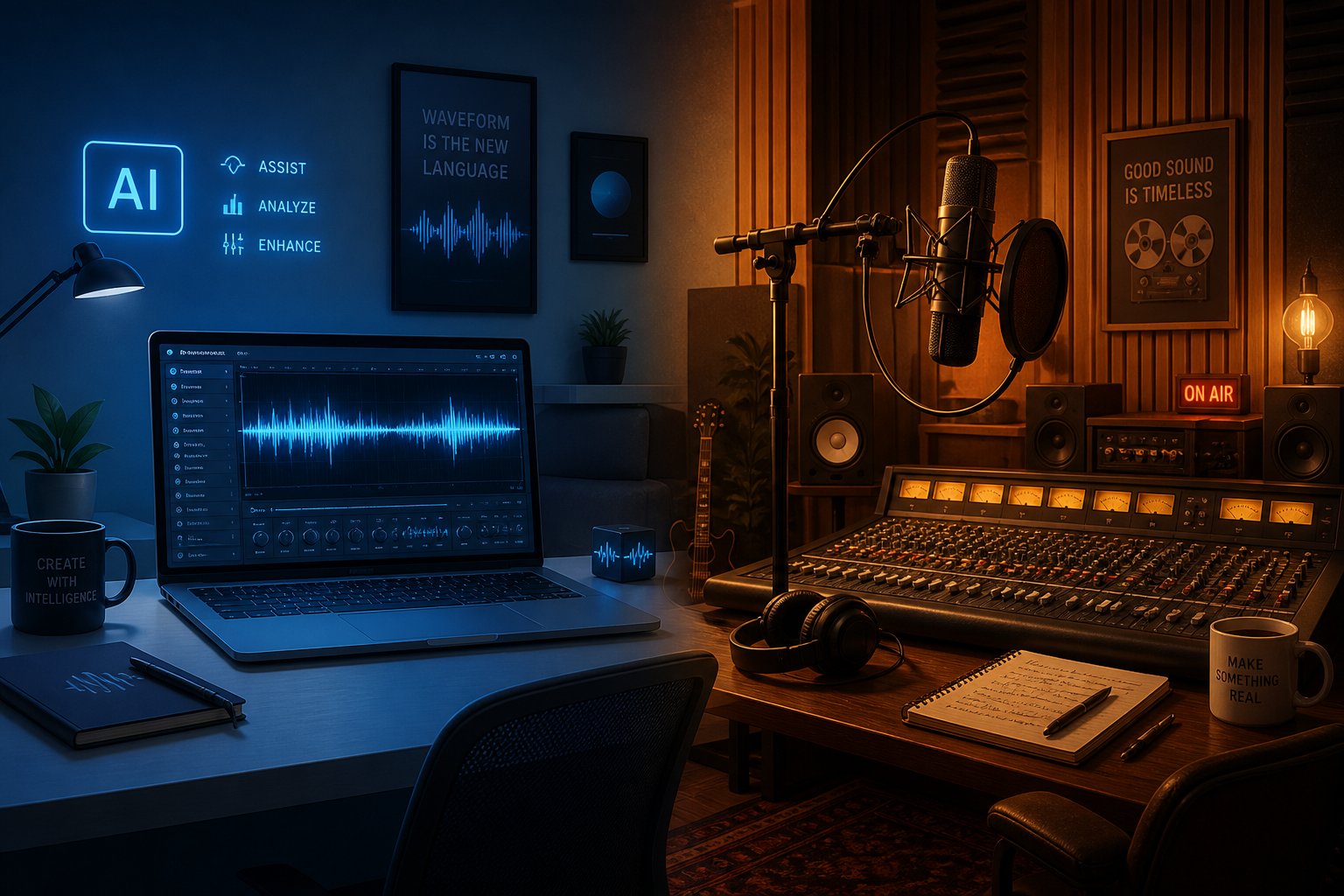
Most articles about AI-powered jingle tools read like sales brochures — all upside, no trade-offs. That one-sided framing does not help you make a smart decision. Whether you are a small business owner weighing a free AI jingle generator against a local studio quote, or an agency producer wondering if AI can handle a client brief, you deserve a comparison built on honesty rather than hype. Here is how the two approaches actually measure up.
Cost, Speed, and Accessibility Compared
The differences between AI jingle generation and traditional studio production are not subtle — they span nearly every dimension a buyer cares about. The table below lays them out side by side so you can scan the trade-offs at a glance.
| Dimension | AI Jingle Generator | Traditional Studio Production |
|---|---|---|
| Cost | Free tier to low monthly subscription (typically $0–$30/month) | Hundreds to thousands of dollars per jingle; custom jingle projects for even modest regional campaigns often start around $4,000–$5,000 |
| Turnaround | Seconds to minutes per generation | Days to weeks from briefing to final master |
| Musical Training Required | None — prompt-based workflow | Professional composers, session musicians, and audio engineers |
| Customization Depth | Prompt-driven with limited fine-tuning; output shaped by model capabilities | Unlimited creative control over every note, lyric, vocal nuance, and mix decision |
| Licensing | Varies by platform; typically royalty-free on paid tiers | Negotiated per project; may include residuals for union vocalists |
| Iteration Speed | Generate dozens of variations in a single sitting | Each revision requires re-booking talent and studio time |
| Human Touch | Synthesized vocals and algorithmically composed melodies | Live performances with emotional nuance and spontaneous creativity |
Reading those rows, the appeal of an AI jingle generator free of studio overhead is obvious. But raw specs never tell the whole story. Where each method truly shines — and where it stumbles — depends on the specific demands of your project.
Where AI Jingle Generators Excel
AI-driven tools dominate in four scenarios that traditional studios simply cannot match on speed or accessibility.
- Rapid prototyping and iteration — Need to hear how your brand name sounds over a funk bassline versus an acoustic guitar? Generate both versions in under five minutes and compare. In a traditional workflow, that experiment would cost an extra session fee and days of scheduling.
- Cost accessibility for small businesses — A neighborhood coffee shop, a solo podcaster, or a nonprofit running a local awareness campaign can produce a custom jingle without allocating a four-figure budget. Many platforms let you test output quality on a free tier before spending anything at all.
- Instant availability — No booking calendars, no session musician availability conflicts, no time-zone coordination. The tool is ready whenever you are, which matters enormously for creators working nights, weekends, or across international schedules.
- Testing multiple creative directions at once — Unsure whether your brand sounds better with a cheerful pop feel or a warm acoustic vibe? AI lets you explore five or ten directions in the time a traditional session would spend setting up microphones for one. This breadth of creative exploration is where the technology genuinely changes the game for users who lack musical training but have clear brand instincts.
For anyone whose primary constraints are budget, time, and musical expertise, the value proposition is hard to argue against.
Where Traditional Production Still Wins
Honesty matters here — and the honest truth is that AI output has real ceilings. A 2026 Sonarworks survey of over 1,100 music producers found that 77% of professionals cite loss of originality and creativity as their top concern with AI-generated audio. That worry is not unfounded. Several areas remain firmly in human territory:
- Complex vocal harmonies and multi-part arrangements — AI vocal synthesis has improved dramatically, yet layered harmonies with subtle dynamic interplay between voices still sound more convincing when performed by real singers who can breathe, bend notes, and respond to each other in real time.
- Emotionally nuanced performances — The same Sonarworks survey revealed that producers consistently rank emotional judgment, critical listening, and interpersonal communication as irreplaceable human skills. A seasoned vocalist can inject vulnerability, humor, or urgency into a single syllable in ways that synthesized voices approximate but rarely replicate with full conviction.
- Truly original compositions — Generative models are trained on existing music, which means their outputs tend to recombine familiar patterns rather than invent genuinely new ones. For brands that want to push creative boundaries or establish a completely distinctive sonic signature, a human composer operating from imagination rather than statistical probability still holds the edge.
- Projects requiring a specific recognizable voice — If your campaign calls for a particular artist's timbre or a celebrity voiceover, no prompt can replicate that without the actual person in the booth (and the licensing agreement to match).
- High-budget national campaigns — When the jingle will air thousands of times across television, radio, and streaming platforms, the marginal cost difference between AI and studio production becomes negligible relative to total media spend. In that context, the unlimited creative control and broadcast-grade polish of traditional production may deliver a stronger return on investment.
Recognizing these limitations is not a knock against the technology. It is a sign of clear-eyed evaluation — matching the right tool to the right job.
The Hybrid Approach
Here is what many experienced producers are actually doing in practice: using AI to draft initial concepts and then refining the best candidates with human musicians. The Sonarworks survey supports this trend — nearly 58% of producers envision AI functioning as an assistant that handles routine tasks while humans retain creative authority. The role of the producer, many respondents suggested, is shifting toward that of a creative director who guides intelligent tools rather than performing every technical task manually.
In a jingle context, the hybrid workflow might look like this: generate a dozen AI variations to explore genre, tempo, and melodic direction. Identify the two or three strongest candidates. Then hand those rough drafts to a vocalist who re-records the vocal with genuine emotion, or to a mixing engineer who polishes the audio to broadcast standards. You get the speed and breadth of AI exploration combined with the depth and nuance of human performance.
The smartest question is not "AI or studio?" — it is "where in my workflow does each one add the most value?"
This balanced perspective rarely shows up on tool-provider websites, and for good reason — nuance does not sell subscriptions. But for you as the decision-maker, understanding where AI excels and where it falls short is the difference between a custom jingle that genuinely strengthens your brand and one that sounds like every other auto-generated clip on the internet.
That distinction becomes even clearer when you consider how wildly different jingle requirements shift across platforms and industries. A five-second podcast intro and a thirty-second radio spot are not just different lengths — they demand fundamentally different creative strategies.
Jingle Use Cases Across Industries and Platforms
A jingle built for a thirty-second radio ad and a jingle designed for a three-second TikTok intro share a name — but almost nothing else. Length, energy, pacing, hook placement, and even vocal style all shift depending on where the audio will live and who will hear it. Treating every jingle project the same way is like designing a billboard and a business card with identical layouts. The medium shapes the message.
This section maps the most common use cases, explains what makes each one unique, and highlights the specific jingle characteristics that drive results in every context. Whether you want to create a jingle for your business phone system, a podcast, or a social feed, matching your creative brief to the platform is what separates audio that works from audio that gets ignored.
Radio, Podcast, and Streaming Audio Branding
Audio-first platforms remain the original home of the jingle — and each one plays by slightly different rules.
Radio station IDs are the shortest, most high-energy format. Typically three to five seconds, they exist to stamp the station's identity onto the listener's memory between songs. The station name sits front and center, delivered over a punchy musical phrase with bright instrumentation and an unmistakable closing hit. A radio jingle generator approach leans hard on immediacy: there is zero runway, so the hook must land on beat one. Think compressed energy — every millisecond earns its place.
Podcast intros and outros occupy a different sonic lane. Running five to fifteen seconds, they need to match the tone of the show itself. A true-crime podcast intro built on cheerful ukulele strumming would feel jarring; a tech-review show backed by lo-fi jazz would feel mismatched. The best podcast jingles layer a spoken tagline over genre-appropriate music, giving listeners an instant audio cue that says, "You are in the right place." Pacing tends to be more relaxed than radio — the audience chose to press play, so the jingle does not need to fight for attention the way a broadcast spot does.
Streaming ad spots — the kind that interrupt a playlist on Spotify or a station on Pandora — face a unique challenge: skip behavior. Listeners who encounter an ad mid-stream are already primed to tune out, so the jingle must hook within the first two seconds or risk being mentally dismissed. Fifteen to thirty seconds is the standard window, with the brand name placed early and the value proposition delivered before the listener's patience expires. A radio jingle maker mindset works well here — borrow the urgency of broadcast but soften the delivery to match the more intimate headphone-listening environment.
Business and Retail Audio Applications
Jingles do not live only in ads. Some of the most impactful audio branding happens inside physical spaces and on phone lines — environments where customers are already engaged with the brand and the audio reinforces that experience rather than interrupting it.
As retail audio experts at OneMusic Australia point out, in-store music is far more than background noise — it directly shapes how people feel, how long they stay, and what they are likely to buy. The same principle applies to jingles woven into business audio environments. Each context, however, demands a distinct approach.
- Phone hold music — Longer loops (thirty seconds to several minutes), calming instrumentation, and periodic brand messaging that reminds callers they have not been forgotten. Tempo should sit in the mid-range (90–110 BPM) to feel reassuring without putting people to sleep. Avoid aggressive hooks; the listener is already captive and likely already slightly frustrated.
- Retail in-store audio — Background-friendly jingles that reinforce brand mood without competing with conversation or product browsing. Instrumentation should complement the store's atmosphere — a boutique clothing shop benefits from clean, modern textures, while a family grocery store might lean toward warm acoustic tones. The jingle should feel like a natural part of the environment, not an interruption.
- Restaurant and hospitality ambiance — Subtle branded audio that enhances dining or guest experience. Tempo and genre should mirror the venue's personality: upbeat for a casual burger spot, smooth and understated for fine dining. A branded sonic logo at the start of an in-house playlist can anchor the experience without feeling like an advertisement.
- Event and conference branding — Short, high-energy jingles (five to ten seconds) that play during speaker transitions, session introductions, or award announcements. These need to feel polished and professional, with enough punch to re-engage a room full of distracted attendees. A memorable musical phrase tied to the event name builds cohesion across a multi-day program.
The common thread across all of these scenarios? The jingle must serve the environment rather than dominate it. In advertising, a jingle fights for attention. In business and retail contexts, it supports an experience that is already underway.
Social Media and Digital Marketing
Social platforms have compressed attention spans to their absolute minimum — and jingles need to adapt accordingly. If radio demands a hook in two seconds, social media demands one in less than two.
YouTube channel intros function as sonic logos repeated at the top of every video. The best ones run two to five seconds and create instant brand recognition across a library of content. Think of the Netflix "ta-dum" — a sound so short and distinctive that it triggers brand association before the viewer even registers a visual. YouTube creators who use a consistent sonic intro build the same kind of audio identity, training their audience to associate a specific musical phrase with their channel.
TikTok and Instagram Reels audio branding operates under even tighter constraints. Content on these platforms auto-plays in a vertical feed where users swipe past anything that does not immediately engage. A branded audio clip needs to function in under three seconds — often just a rhythmic hit, a vocal phrase, or a melodic sting paired with a logo animation. The goal is not to deliver a full message but to create a repeatable sonic signature that viewers begin to recognize across multiple posts.
Digital ad pre-roll audio — the brief clips that play before YouTube videos or within podcast ad slots — mirrors the streaming ad format but with even less patience from the audience. The brand mention must land almost immediately, and the musical energy should match the content the viewer was about to consume. A pre-roll jingle before a cooking tutorial needs a different vibe than one before a gaming stream.
Across every social and digital format, brevity is not just preferred — it is structurally required. Five seconds is generous. Three seconds is common. One second is not unheard of. This is precisely why the jingle anatomy framework from earlier matters so much: when your total canvas is three seconds, you cannot afford to waste a single beat on a weak intro hook or a misplaced brand mention.
Each of these platforms and environments rewards a different combination of length, energy, vocal style, and messaging density. Recognizing those differences before you start generating is what separates a jingle that fits seamlessly into its intended context from one that sounds like it was dropped in from somewhere else entirely. The next question is equally practical: with so many AI tools available, how do you choose the one that best matches your specific use case?
Top AI Jingle Generator Tools Compared Side by Side
Choosing the right tool feels overwhelming when every platform claims to be the best. Most review pages only spotlight a single product — the one they sell. That does not help you make an informed decision. What does help is a clear set of evaluation criteria applied consistently across your options, followed by an honest look at what each tool actually delivers.
Key Features to Evaluate in Any AI Jingle Tool
Before you compare brand names, you need to know what you are comparing against. Not every feature matters equally for every project, but these seven criteria separate tools that produce usable jingles from tools that waste your time:
- Voice library and vocal quality — How many vocal styles does the platform offer, and how natural do they sound? A tool with three generic voices limits your creative range. Look for options that let you specify gender, tone, and delivery style — the same vocal characteristics you learned to define in your prompt.
- Generation speed — Some platforms deliver output in under thirty seconds; others queue requests and take several minutes. Speed matters most when you are iterating through multiple prompt variations in a single session.
- Output audio quality — Listen for clarity, balanced mixing, and absence of artifacts. A jingle that sounds muddy or distorted on export will not survive broadcast or streaming playback.
- Available music styles — The wider the genre palette, the more precisely you can match your brand voice. A platform that handles pop, rock, R&B, country, electronic, and acoustic folk gives you far more flexibility than one locked into two or three styles.
- Pricing model — Free credits, monthly subscriptions, and one-time purchases each suit different use patterns. A podcaster who needs one jingle per year has different economics than a marketing agency producing dozens per month.
- Commercial licensing terms — Can you legally use the output in paid ads, broadcast media, and client deliverables? Some free tiers restrict commercial use entirely. Always verify before publishing.
- Export format options — MP3 is fine for web use, but broadcast and professional workflows often require WAV. Stem exports — separate files for vocals, instrumentation, and percussion — unlock post-production flexibility that a single mixed-down file cannot provide.
With these criteria in hand, you can evaluate any platform — current or future — without relying on marketing copy.
Top AI Jingle Generators Compared
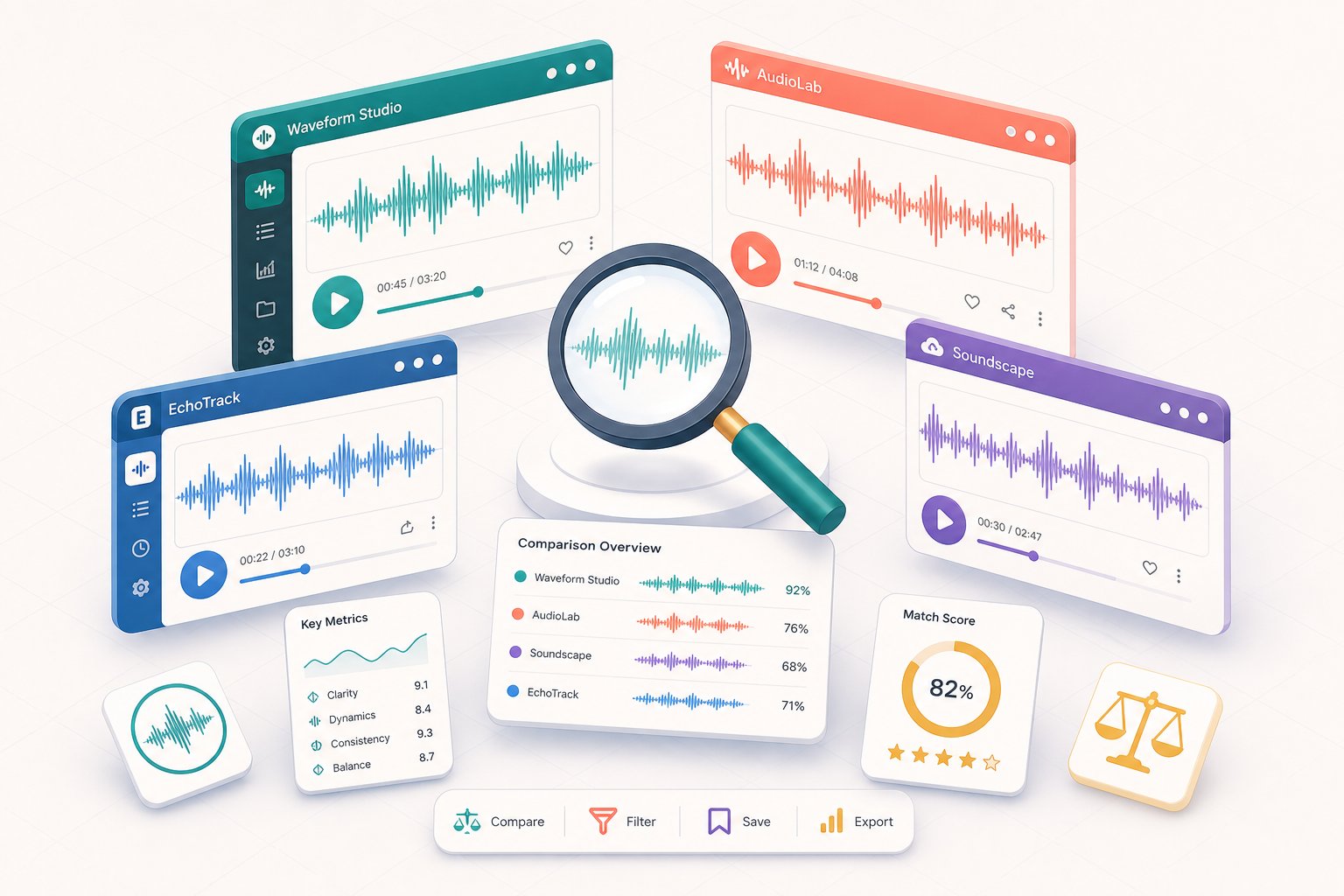
The landscape includes dedicated jingle tools alongside broader AI music platforms that handle jingle-length output as part of a larger feature set. Some users search specifically for an ai jingle maker free option; others want full production quality and are willing to pay. The table below maps the most relevant options across the criteria that actually matter.
| Tool | Key Strength | Vocal Options | Free Tier | Best Use Case | Output Type |
|---|---|---|---|---|---|
| MakeBestMusic AI Song Generator | Complete songs with vocals, lyrics, and full music production — ideal for jingles needing sung brand names and slogans | Multiple vocal styles with customizable tone and delivery | Free credits available to test quality | Jingles requiring polished sung messaging and full production; output can be trimmed to any jingle length | Full songs with vocals, lyrics, and instrumentation |
| AI Jingle Maker | Purpose-built for short jingle formats with quick turnaround | Basic vocal synthesis options | Limited free generations | Quick business jingles and short audio branding clips | Short-form jingles |
| InsMelo | Melody-focused generation with instrumental emphasis | Limited vocal features | Free tier with restrictions | Instrumental jingles and melodic beds without heavy vocal requirements | Instrumentals and short musical clips |
| Suno | Fast full-song generation with strong pop sensibility | AI-generated singing with lyric input | Free plan with daily credits | Catchy vocal jingles when speed is the priority; requires trimming to jingle length | Full songs with vocals |
| Loudly | Clean, professional instrumental beds and loops built for advertising | No vocal generation | 25 generations/month on free plan | Instrumental jingle beds and background audio for ads | Instrumentals and loops |
A few patterns stand out. Dedicated jingle platforms like AI Jingle Maker are optimized for short-format output, which means less trimming and faster results when all you need is a brief audio clip. Broader song-generation platforms, on the other hand, offer deeper production capabilities. MakeBestMusic is particularly worth noting here because its full-song engine generates complete vocal tracks with custom lyrics and polished instrumentation — exactly what you need when your jingle requires a sung slogan, a clearly articulated brand name, or a melodic hook with real vocal presence. You generate a full piece and then trim it down to your target length, which gives you more creative material to work with than tools that only produce five-second clips.
Meanwhile, if your jingle is purely instrumental — a musical bed for a phone hold system or a sonic logo without vocals — a tool like Loudly or InsMelo may handle the job efficiently without the overhead of vocal synthesis features you will never use.
The takeaway is straightforward: match the tool's core strength to your specific jingle type. A jingle creator free of vocal features is perfectly fine for instrumental branding. A jingle that needs to sing your company name demands a platform with robust vocal production — and that is where full-song generators earn their place in the workflow.
Free vs. Paid Tiers and What You Actually Get
Nearly every platform on this list offers some kind of free access, which raises an obvious question: can you get a usable jingle without paying anything? The short answer is yes — with caveats.
Free tiers typically limit the number of generations per day or month, restrict export quality (lower bitrate MP3 instead of WAV), and may watermark the audio or prohibit commercial use. They exist primarily as quality demos — a way for you to hear what the tool produces before committing money. That is exactly how you should use them.
Before subscribing to any platform, run the same test prompt through every free tier you can access. As SoundGuys notes in its review of AI music tools, pricing structures vary significantly — from Suno's free daily credits to Loudly's single monthly download on its free plan — so hands-on comparison is the only reliable way to judge which tool fits your needs. Here is what to listen for during those test runs:
- Vocal clarity — Is the brand name clearly audible and correctly pronounced, or does it get buried under instrumentation?
- Melody catchiness — Does the hook stick after a single listen, or does it feel generic and forgettable?
- Genre accuracy — When you request "upbeat pop," does the output actually sound like upbeat pop, or does it drift into a vaguely adjacent style?
- Mixing quality — Are the vocals, instruments, and percussion balanced, or does one element overpower the rest?
If you search for an i-jingle solution or any AI-powered audio branding tool, this four-point test gives you an objective framework that cuts through marketing claims. Spend fifteen minutes generating samples across two or three platforms, evaluate each output against these criteria, and let your ears — not advertising copy — make the decision.
Paid tiers unlock higher generation limits, better audio quality, commercial licensing, and sometimes stem exports that let you fine-tune the mix in a DAW. For a single jingle project, a one-month subscription often costs less than a single stock audio license — making the value proposition clear for anyone who needs even one commercially usable output.
Knowing which tools exist and how to test them is essential. Equally essential, though, is understanding what these tools cannot do — because every technology has ceilings, and recognizing them early saves you from costly surprises down the line.
Limitations and Quality Considerations for AI-Generated Jingles
Every tool has a ceiling — and pretending otherwise does not help you make better jingles. The previous section showed you how to pick the right platform and test its output. This section goes deeper, identifying the specific quality pitfalls that trip up first-time users, giving you a practical checklist to evaluate your results, and defining the scenarios where AI output genuinely falls short. Setting realistic expectations upfront is not pessimism; it is the fastest route to producing audio you are actually proud to publish.
Common Quality Pitfalls in AI-Generated Jingles
If you have generated even a handful of jingles using free jingle maker tools or paid platforms, you have likely bumped into at least one of these issues. They are not bugs unique to a single product — they are systemic tendencies baked into how current generative models handle short-form audio. Recognizing them helps you troubleshoot faster and write sharper prompts to work around them.
- Robotic or unnatural vocal delivery — Synthesized voices have improved dramatically, yet certain syllable combinations, brand names with unusual phonetics, or rapid lyrical passages can still expose the artificial seams. You might hear flat intonation where a human singer would naturally add emphasis, or awkward pauses where the model struggles to map syllables onto the beat.
- Repetitive melodic patterns across generations — Generate five jingles in the same genre and you may notice the melodies begin to feel interchangeable. This happens because models draw from statistical patterns in their training data, and popular chord progressions and melodic contours surface repeatedly. The result can be output that sounds polished but lacks a distinctive identity — the opposite of what branded audio should achieve.
- Poor audio mixing where vocals are buried or overpowering — Automated mixing pipelines optimize for general balance, not for the specific needs of a jingle where the brand name must cut through clearly. In some outputs, instrumentation drowns the vocal; in others, a too-loud voice sits awkwardly on top of a thin musical bed.
- Genre misinterpretation — You request "funky R&B" and receive something closer to generic pop with a vaguely syncopated beat. Models interpret genre labels based on training data distributions, and niche or hybrid genre descriptions frequently get flattened into something safer and more conventional.
- Lyrics that are grammatically correct but rhythmically stiff — When AI writes the lyrics rather than interpreting a user-supplied script, the words may make sense on paper yet feel unnatural when sung. Stressed syllables land on weak beats, multi-syllable words get crammed into tight melodic spaces, and the overall phrasing lacks the conversational flow that makes jingles feel effortless.
- Inconsistent audio quality between generations — One output sounds clean and broadcast-ready; the next, using a nearly identical prompt, comes out with subtle artifacts, uneven stereo imaging, or a noticeably different tonal character. This inconsistency makes it harder to predict whether a given session will produce usable material.
None of these pitfalls are deal-breakers on their own. Most can be mitigated with better prompts, pre-written lyrics, or post-generation editing. But knowing they exist before you start generating saves you from mistaking a fixable issue for a final result — or worse, publishing audio that quietly undermines your brand.
Evaluating Whether Your AI Jingle Is Good Enough
"Good enough" is not a vague feeling — it is a checklist. After generating a jingle, run it through these five questions before you consider it finished. Each one maps directly to the structural and quality principles covered earlier in this guide.
| Quality Check | What to Listen For | Pass / Fail Signal |
|---|---|---|
| Brand name clarity | Is the business or product name clearly audible and correctly pronounced on the first listen? | If a stranger cannot repeat the name after hearing the jingle once, it fails. |
| Melodic memorability | Does the hook stick in your head after a single play, or does it evaporate immediately? | Hum the melody five minutes later. If you cannot recall it, the hook is too generic. |
| Energy and platform match | Does the tempo, instrumentation, and vocal energy fit the intended use case — podcast intro, radio spot, social clip? | Play the jingle in context (e.g., before a podcast episode) and check whether it feels natural or jarring. |
| Audio quality | Is the output clean enough for its destination? No distracting artifacts, clipping, or muddy frequencies? | Listen on both headphones and speakers. Broadcast and streaming platforms have strict loudness and quality specifications — audio that sounds acceptable on laptop speakers may fail professional QC. |
| Client or audience confidence | Would you feel comfortable playing this jingle to a client, a customer, or on a public platform? | If hesitation creeps in, trust it. That instinct usually points to a specific weakness worth addressing. |
This checklist is deliberately simple because simplicity encourages consistent use. Run every output through these five checks — not just the ones you are excited about. The jingle that sounds great on first listen sometimes reveals a buried brand name or a mismatched energy level on the second pass. Discipline here is what separates a free jingle maker workflow that produces reliably usable results from one that depends on luck.
One additional tip: play the jingle for someone who has never heard it before and ask them to repeat the brand name and describe the mood. Fresh ears catch problems that your own ears — fatigued by dozens of prompt iterations — will miss entirely.
When to Upgrade to Professional Production
Recognizing when AI output is not sufficient is a sign of sophistication, not a criticism of the technology. Every tool has an appropriate scope, and the goal is always matching the right tool to the right job. Here are the scenarios where investing in traditional studio production typically delivers a stronger return:
- National broadcast campaigns with strict quality standards — Television and major radio networks enforce audio quality requirements that go well beyond what most AI tools export by default. As professional post-production guidelines outline, broadcast destinations demand specific loudness targets (such as ATSC A/85 at -24 LKFS for US broadcast), true peak ceilings, and precise file format specifications. AI-generated audio often requires significant post-processing to meet these benchmarks — and if the raw output quality is not high enough, no amount of mastering can rescue it.
- Jingles requiring complex harmonies or multi-part vocal arrangements — A three-part vocal harmony where each voice interacts dynamically — blending, separating, building tension — remains difficult for current AI vocal engines. Real singers in a studio respond to each other in real time, adjusting phrasing and dynamics intuitively. Synthesized harmonies tend to feel static by comparison.
- Premium or luxury brand positioning — When sonic quality directly reflects brand perception, every subtle detail matters. A luxury watch brand, a high-end hotel chain, or a premium spirits label cannot afford audio that sounds even slightly artificial. In these categories, the perceived production value of the jingle is the message. Audiences associate polished, human-performed audio with quality and exclusivity — and they notice when it is missing.
- Situations requiring a specific recognizable human voice — If the creative brief calls for a particular vocal timbre, a well-known voice actor, or a celebrity endorsement, no AI tool can ethically or legally substitute for the real person. Voice cloning raises serious legal and ethical concerns around likeness rights, and using synthesized approximations of real individuals without consent is a liability, not a shortcut.
- Long-running sonic identities that need to evolve over years — A jingle intended to anchor a brand's audio identity for a decade benefits from the creative depth of a human composer who can build in subtle variations, seasonal adaptations, and orchestration updates that keep the core melody fresh without losing recognition. AI-generated pieces are snapshots; human-composed pieces can be living documents.
The honest reality, as Mastering The Mix observed in its analysis of AI's role in music production, is that this technology works best as a catalyst — not a replacement. It accelerates ideation, lowers the entry barrier for creators who previously had no access to custom audio, and handles the routine layers of production efficiently. But for projects where emotional nuance, broadcast compliance, or brand prestige are non-negotiable, human expertise still carries the day.
This is not an either/or decision. Many of the strongest jingle projects start with AI-generated drafts and finish with human polish. The key is knowing which stage you are at — and being honest with yourself about whether the output on your screen is truly ready for its intended audience, or whether it needs one more pass from a professional hand.
With a clear understanding of both the capabilities and the ceilings of these tools, the final step is putting everything together — definition, anatomy, prompt craft, platform selection, and quality evaluation — into a single repeatable workflow you can follow from your very first jingle to your fiftieth.

Getting Started With Your First AI-Generated Jingle
You have the knowledge — jingle anatomy, prompt-writing principles, platform options, and a quality checklist sharp enough to separate a publishable jingle from a forgettable one. The only thing left is to actually do it. This section collapses every concept from the previous chapters into a single, repeatable workflow you can follow today and revisit every time a new project lands on your desk.
Your Step-by-Step Workflow for Creating an AI Jingle
Think of this as your jingle AI playbook — a linear sequence that moves from strategic planning to finished audio. Each step draws directly on frameworks covered earlier, so you already understand the reasoning behind every action.
- Define your brand voice and target audience. Before you type a single word into any tool, answer three questions: What personality does your brand project — bold, warm, playful, authoritative? Who is listening — commuters, podcast fans, in-store shoppers, social media scrollers? And what emotion should the jingle trigger — excitement, trust, nostalgia, curiosity? These answers become the foundation of every creative decision that follows. Skip this step and you will generate technically competent audio that sounds like it belongs to someone else's business.
- Choose your jingle type and target length based on your platform. A five-second podcast intro and a thirty-second radio spot require entirely different structures, energy levels, and hook placements. Revisit the use-case breakdown to identify the exact format your project demands. Lock in the duration now — it shapes everything from lyrical word count to pacing.
- Study the jingle anatomy framework to plan your structure. Map out which of the five structural elements your jingle needs. A three-second sonic logo might only require an intro hook and a closing tag. A twenty-second ad spot needs all five — intro hook, brand mention, value proposition line, musical bed, and closing tag. Sketch a rough blueprint before you write anything. Even a quick note like "hook → brand name → benefit → CTA → tag" gives you a structural spine to build around.
- Write a short lyrical script using the prompt-writing principles. Pre-write your sung or spoken content rather than leaving lyrics entirely to the AI. Keep it under twenty words for a fifteen-second spot. Read the lines out loud to test rhythmic phrasing — stressed syllables should land naturally on strong beats. Place your brand name deliberately: early for awareness, late for storytelling. Include a rhythmically concise call to action if the use case calls for one.
- Select an AI jingle tool that matches your project's needs. If your jingle requires sung lyrics with a clearly articulated brand name and full musical production, MakeBestMusic's AI Song Generator handles the complete package — vocals, custom lyrics, and polished instrumentation in a single generation. It produces full-length songs that you can trim to any jingle duration, giving you more creative material to work with than tools limited to short-clip output. For purely instrumental needs — a musical bed or sonic logo without vocals — a dedicated instrumental platform may be more efficient. Match the tool's core strength to your jingle type.
- Generate multiple variations with slightly different prompts. Never settle for the first output. Adjust one variable at a time — swap the genre descriptor, shift the mood word, tweak the tempo — and generate three to five versions. Changing "cheerful pop" to "bright indie-pop" or shifting from 120 BPM to 128 BPM can reshape the entire feel. Log every prompt and your quick reaction to the result so patterns emerge over time.
- Evaluate each output using the quality checklist. Run every candidate through the five-point test: brand name clarity, melodic memorability, energy-to-platform match, audio quality, and audience confidence. Play the top contenders for someone who has never heard them and ask that person to repeat the brand name and describe the mood. Fresh ears catch what fatigued ears miss.
- Export, trim if necessary, and deploy across your platforms. Download in the highest quality format available — WAV for broadcast, high-bitrate MP3 for web and streaming. If you used a full-song generator like MakeBestMusic, trim the output to your target jingle length in any basic audio editor. Apply a clean fade-in or fade-out if needed. Then place the finished jingle in its intended context — podcast intro, ad spot, phone hold system, social media clip — and listen one final time in situ to confirm it fits.
That is the complete loop. Eight steps, no musical training required, and every decision grounded in the structural and strategic knowledge you have built across this guide. Whether you are creating your first ai jingle or your fiftieth, this workflow keeps the process disciplined and repeatable instead of random.
Tips for Long-Term Jingle Strategy
A single jingle can make an impression. A consistent sonic identity — maintained across months and years — builds the kind of audio recognition that keeps your brand lodged in people's memories even when they are not actively paying attention. Research from Veritonic and Audacy found that sonic branding increases ad recall by up to 17% in radio and 14% in podcasts, while also boosting purchase intent and brand trust. That kind of cumulative return only compounds when your audio stays consistent over time.
A few principles keep your jingle strategy cohesive as your brand grows:
- Lock in your sonic constants. Choose a musical style, a tempo range, and a vocal character that reflect your brand personality — then stick with them across every jingle you produce. A listener who hears your podcast intro, your Instagram Reel audio, and your phone hold music should sense that all three come from the same brand, even if the specific melodies differ. Consistency is what transforms a collection of individual jingles into a unified sonic identity.
- Refresh seasonally or for campaigns, but preserve core elements. Holiday promotions, product launches, and seasonal campaigns deserve fresh creative energy. Update the lyrics, adjust the instrumentation, or shift the tempo slightly — but keep the core melodic hook or closing tag intact. This is the same principle behind visual brand guidelines: the logo stays recognizable even when the surrounding graphics change for a campaign.
- Build and maintain a prompt log. Every generation teaches you something about how AI interprets your language. Document which genre descriptors, mood words, and vocal instructions consistently produce the best output. After a few months, this log becomes your personal shortcut library — a resource that makes each new jingle faster to produce and closer to the mark on the first attempt.
- Audit your jingles quarterly. Listen to every piece of branded audio you have deployed and ask: does it still represent who we are? Brands evolve. A jingle that felt right eighteen months ago may sound dated, or the tone may no longer match a refreshed visual identity. Schedule a quick audit every quarter and flag anything that needs updating.
- Use AI for exploration, humans for elevation. As your brand matures and your audio budget grows, consider the hybrid approach. Use a jingle maker online free tier or a subscription platform to draft multiple creative directions rapidly. Then hand the strongest candidate to a human vocalist or mixing engineer for a final polish. This combination gives you the speed of AI ideation and the nuance of human performance — the best of both worlds.
A great jingle is not a one-time project — it is the opening note of a long-term sonic relationship between your brand and your audience.
Bookmark this guide. The next time you sit down to create branded audio — whether it is a five-second podcast sting or a thirty-second radio spot — return to the anatomy framework to plan your structure, revisit the prompt-writing section to sharpen your input, and run every output through the quality checklist before it goes live. The tools will keep improving, new platforms will emerge, and AI vocal synthesis will inch closer to human performance with each model update. But the fundamentals — structure, specificity, brand alignment, and honest evaluation — will stay constant. Master those, and every jingle you produce will sound less like a random AI experiment and more like a deliberate piece of your brand's identity.
