


What Is Dembow Music and Why It Defines a Generation
Imagine a bass line so heavy it rattles the speaker stacks lining a Santo Domingo street corner. A kick drum punches through the humid night air, a snare cracks back in response, and a rapid-fire vocal chant rides the groove like a dare to stay still. That sound is dembow music, the high-octane heartbeat of Dominican urban culture and one of the most infectious rhythms moving through global playlists right now.
At its core, dembow is two things at once: a syncopated drum pattern rooted in Jamaican dancehall and a full-blown genre that the Dominican Republic shaped into its own sonic identity. Whether you've searched for it as dembo, dmbow, or demdow, you're chasing the same relentless energy. Here's the simplest way to understand it:
Dembow is a high-energy Dominican music genre built on a syncopated bass-drum pattern originally derived from Jamaican dancehall riddims, characterized by rapid-fire vocal delivery, heavy bass, and BPMs typically ranging from 115 to 135.
You've almost certainly heard the dembow rhythm without knowing its name. It drives Daddy Yankee songs like "Gasolina" and pulses beneath Bad Bunny's "Titi Me Pregunto." It's the rhythmic engine behind a massive slice of modern Latin pop, and its influence keeps spreading.
What Does Dembow Actually Mean
The word traces directly back to Jamaican dancehall artist Shabba Ranks and his 1990 track "Dem Bow." In Jamaican Patois, "dem bow" translates roughly to "they bow," a phrase loaded with anti-colonial defiance. The riddim underneath that track, produced over a pattern first heard in Steely and Clevie's work, became one of dancehall's most recycled beats. Panamanian and Puerto Rican artists adopted it, Spanish-language versions multiplied, and the term gradually stopped referring to a single song. By the mid-2000s, "dembow" had become shorthand for an entire genre and cultural movement rooted in the barrios of the Dominican Republic, a music dominican youth claimed as entirely their own.
Why Dembow Matters Beyond the Dance Floor
Dembow is more than party fuel. It's the sonic identity of a generation of Dominican kids who grew up in working-class neighborhoods and used stripped-down beats and raw lyrics to tell their stories. It carries social commentary, humor, bravado, and a street-level honesty that polished pop rarely touches. And it's increasingly a global export, with the dembow rhythm showing up in Afrobeats, K-pop, and mainstream electronic production.
What follows is the full story: how a single Jamaican riddim traveled through Panama and Puerto Rico before the Dominican Republic transformed it into something entirely new, who the artists and producers driving the movement are, and how you can start engaging with the genre yourself.
From Shabba Ranks to Santo Domingo
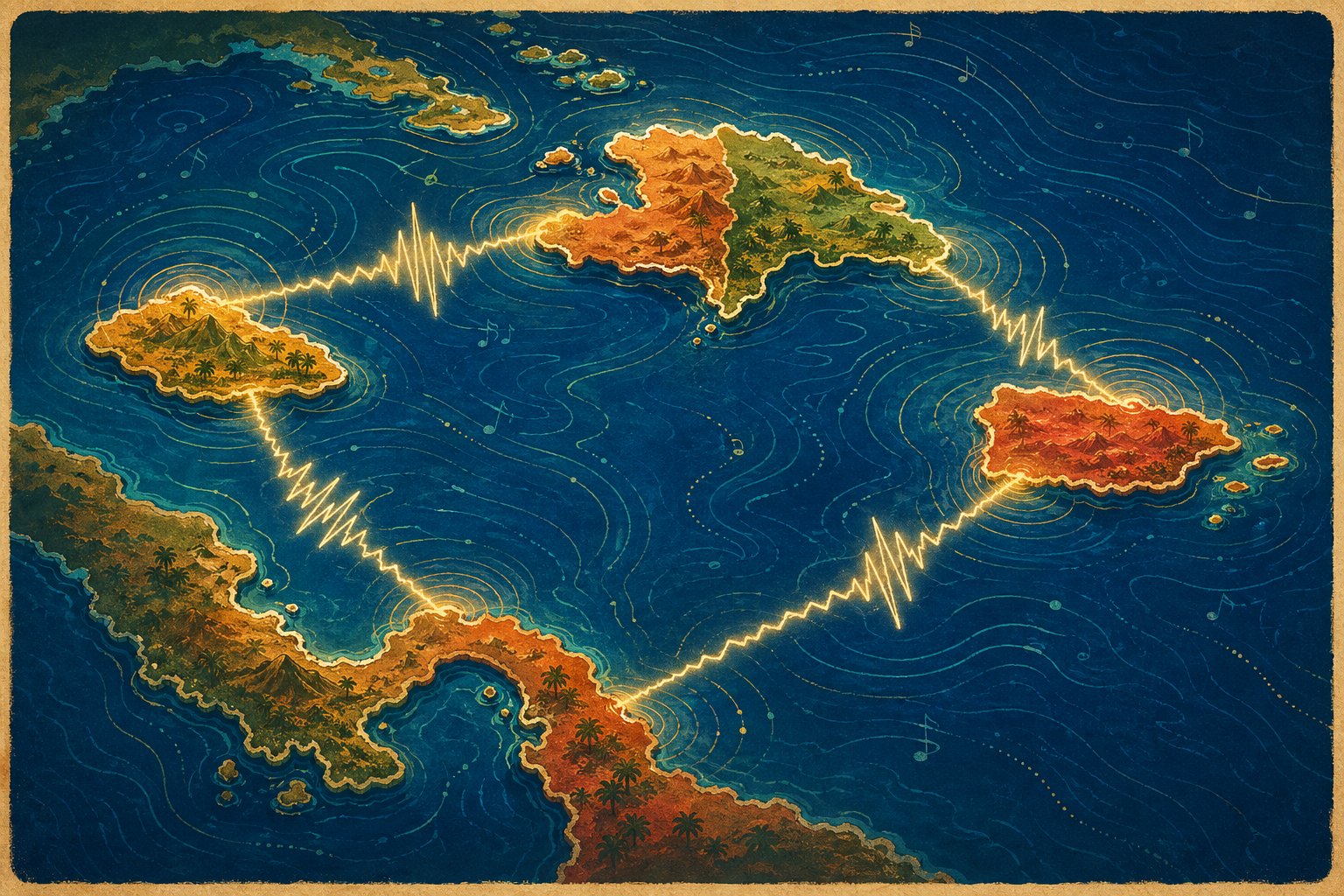
That single riddim mentioned above didn't stay in Kingston for long. The dembow meaning we know today — an entire genre, a cultural identity, a movement — grew out of a chain of creative handoffs across three Caribbean nations, each one reshaping the rhythm to fit its own streets.
The Jamaican Dancehall Seed
It started with a beat. The rhythmic foundation was written by the legendary Jamaican studio duo Steely & Clevie, first surfacing on Gregory Peck's "Poco Man Jam" in 1989. A year later, Shabba Ranks voiced his track "Dem Bow" over a version produced by Bobby Digital, and the song exploded worldwide. But here's the twist most people miss: the actual loop that reggaeton and dembow producers would recycle for decades didn't come directly from Shabba's recording. It was a re-creation cut at Philip Smart's HC&F studio in Long Island by Jamaican musician Dennis "The Menace" Thompson, originally crafted as an instrumental for Panamanian vocalist Nando Boom's "Ellos Benia" — essentially a Spanish-language translation of Shabba's hit.
That instrumental, known in Panama as "the Pounda," traveled to Puerto Rico on dubbed cassettes and instrumental CDs. San Juan producers like DJ Playero and DJ Negro chopped it up on underground mixtapes, layering rapid-fire Spanish rap over the boom-ch-boom-chick pattern. The riddim became so central to Puerto Rico's underground scene that the entire genre was simply called "dembow" before anyone coined the term reggaeton. Producers like DJ Blass and later Luny Tunes refined it further, eventually steering it toward the polished, melodic sound that would carry Daddy Yankee's "Gasolina" onto global pop charts.
How the Dominican Republic Made Dembow Its Own
Puerto Rico took the riddim toward pop accessibility. The Dominican Republic went the opposite direction. In the mid-2000s, Dominican producers stripped the beat back to its rawest percussive bones, cranked the tempo up, and layered it with an energy pulled straight from barrio life in Santo Domingo and Santiago. Neighborhood sound systems and street-corner DJs became the genre's distribution network long before streaming existed.
Pioneers like DJ Boyo were among the first to adapt the riddim for Dominican audiences. His 1993 track "Mujeres Andadoras" is widely considered the earliest example of Dominican dembow, arriving just after Panamanian artist El General's "Tu Pum Pum" but tailored for a population raised on the sweat-inducing tempos of merengue. Radio DJs who spun salsa and bachata wanted nothing to do with it. Local hip-hop artists dismissed it. The mainstream pushed back hard — and the genre grew anyway, fueled by blogs, early YouTube uploads, and a generation of kids who heard their own lives in the music.
From Underground to National Sound
The resistance was fierce. Television and radio stations refused to play it. Dominican government officials criticized its content as obscene. As El Alfa told Billboard, "When I'd go to the television and radio stations, they'd say, 'No, we can't play that.' But you step in the streets, and all you could hear was dembow." Sound familiar? It should.
Every dominant Latin urban genre — from hip-hop to reggaeton to Dominican dembow — followed the same arc: rejected by gatekeepers, embraced by the streets, and eventually too massive to ignore.
By the mid-2010s, that arc was complete. Tracks like Los Andolocos' "Ando Loco" had already proven the genre could fill clubs nationwide, and a wave of artists including El Alfa, Chimbala, and Pablo Piddy pushed it further into the mainstream. Any Dominican reggaeton artist collaborating internationally was now pulling from the same rhythmic DNA that DJ Boyo had planted two decades earlier. Dembow historian Jennifer Motaval put it plainly: "The music rose organically despite the many barriers — that is monumental."
The genre's journey from pariah to national soundtrack raises a natural question: what exactly makes the beat itself so irresistible? The answer lives in the drum pattern — and it's more accessible than you might think.
The Dembow Beat Decoded for Listeners and Creators
You don't need to read sheet music or own a drum machine to understand what makes the dembow beat tick. The pattern is deceptively simple — just a handful of drum sounds locked into a specific relationship — but that simplicity is exactly where its power lives. Once you hear how the pieces fit together, you'll start recognizing the groove everywhere.
Anatomy of the Dembow Drum Pattern
Picture a two-bar loop. That's all it takes. Three elements — a kick drum, a snare (or rimshot), and hi-hats — interact in a syncopated conversation that creates the genre's signature bounce. Here's how it works, step by step:
- The kick drum lands hard on beat 1, anchoring the downbeat. Then it sneaks back in on the "and" of beat 2 — that off-beat hit is the secret ingredient. It pushes the rhythm forward, creating a sense of momentum that never quite resolves.
- The snare or rimshot cracks on the "and" of beat 1 and again on beat 3. Notice the placement: the snare doesn't sit where you'd expect it in a standard rock or pop backbeat. It's shifted, syncopated, landing just slightly off-center. That displacement is what gives the groove its lopsided, bouncing feel.
- The hi-hats run in rapid eighth or sixteenth notes on top of everything, stitching the kick and snare together with a constant, shimmering urgency. In dembow dominicano, producers often push these hi-hats into frantic rolls and stutters that ratchet up the intensity.
Sounds complex? It's actually rooted in a rhythmic concept called the tresillo — a three-note pattern spread across two beats that shows up in Afro-Cuban music, New Orleans funk, and dozens of other traditions. The tresillo creates a push-pull tension between where your ear expects the beat to land and where it actually hits. That tension is the "bounce." It's the reason your body starts moving before your brain catches up, and it's the rhythmic engine behind every dembow dance floor from Santo Domingo to Brooklyn.
Think of it this way: if a standard four-on-the-floor house beat is a straight highway, the dembow pattern is a winding road with just enough curves to keep you leaning into every turn.
BPM Range and Why Speed Matters
Tempo is where the genre splits into distinct lanes. If you've ever wondered what is dembow versus reggaeton on a purely physical level, the answer starts with BPM.
Dominican dembow typically runs between 115 and 130 BPM, though some tracks push as high as 135. Standard reggaeton, built on the same underlying drum pattern, sits much lower — usually 85 to 100 BPM. That gap might look small on paper, but it transforms everything: the energy in the room, the vocal delivery, and especially the way people move.
At 90 BPM, reggaeton invites a slow, grinding perreo. At 120+ BPM, dembow demands fast footwork, sharp hip isolations, and a cardio-level commitment from dancers. The higher tempo also forces vocalists into rapid-fire chanting and call-and-response patterns — there's simply no room for long, drawn-out melodic phrases when the beat is moving that fast. Speed isn't just a production choice here. It's a cultural statement. Dominican dembow's tempo mirrors the frenetic pace of barrio life itself — loud, fast, and unapologetically intense.
The Producer's Toolkit
Strip a dembow track down to its components and you'll find a deliberately lean production philosophy. Where reggaeton layers synth pads, piano loops, and polished vocal harmonies over the riddim, Dominican dembow producers take the opposite approach: fewer elements, more percussive aggression, and a rawer mix that lets the drums dominate.
Here's what fills the typical dembow producer's palette:
- Heavy 808 bass — often distorted or overdriven, tuned to hit the chest rather than the ear. The bass follows the kick pattern but stays thick and punchy rather than melodic.
- Clipped vocal samples — short, chopped phrases or ad-libs that function more like percussion than melody. Think shouts, chants, and one-word hooks looped for hypnotic effect.
- Air-horn effects and DJ drops — holdovers from the sound-system culture that birthed the genre. These punctuate transitions and build hype.
- Minimalist melodic loops — when melody exists at all, it's usually a simple two- or four-bar synth line or a pitched vocal sample. Developed chord progressions are rare.
- A deliberate lo-fi aesthetic — many producers favor gritty, unpolished mixes where the drums sit loud and forward. This isn't a limitation; it's a stylistic choice that preserves the street-level energy the genre was built on.
The result is a sound where rhythm does all the heavy lifting. Dominican dembow production treats melody as optional and percussion as non-negotiable — the exact inverse of mainstream pop logic.
To see how these production choices stack up against related genres, here's a side-by-side breakdown:
| Feature | Dominican Dembow | Reggaeton | Dancehall | Afrobeats | Moombahton |
|---|---|---|---|---|---|
| BPM Range | 115 - 135 | 85 - 100 | 90 - 110 | 100 - 120 | 100 - 108 |
| Rhythmic Pattern | Syncopated kick-snare (tresillo-based), rapid hi-hats | Dem Bow riddim with layered percussion | One-drop or steppers riddim, syncopated snare | Clave-influenced patterns, shaker-driven grooves | Slowed dembow pattern fused with house elements |
| Geographic Origin | Dominican Republic | Puerto Rico (via Panama and Jamaica) | Jamaica | Nigeria / Ghana / West Africa | United States (Dutch-American DJ Dave Nada) |
| Key Instruments | 808 bass, clipped vocals, air horns, minimal synths | 808s, synth pads, piano loops, layered harmonies | Live drums or drum machines, bass guitar, organ stabs | Log drums, shakers, guitars, synth pads, talking drums | 808s, Dutch house synths, reggaeton percussion |
| Vocal Style | Rapid-fire chanting, call-and-response, Dominican slang | Melodic singing, auto-tuned rap, polished hooks | Toasting, deejaying, patois-heavy delivery | Melodic singing, pidgin English, Yoruba phrases | Varies — often instrumental or sampled vocals |
This comparison highlights something important: these genres share rhythmic DNA but diverge sharply in tempo, texture, and intent. The dembow beat sits at the aggressive, percussion-forward end of the spectrum — and that positioning is exactly what separates it from its closest relative, reggaeton, in ways that go far beyond BPM.
Dembow vs Reggaeton
BPM and production texture tell part of the story, but the real gap between these two genres runs deeper — through vocal delivery, lyrical DNA, cultural context, and the audiences each one speaks to. If you've ever heard someone call a dembow song reggaeton (or vice versa), this is where the confusion gets cleared up.
Shared Roots but Different Branches
Both genres grew from the same seed: the beat bow pattern Shabba Ranks popularized in 1990, recycled and reshaped across the Caribbean. Puerto Rican producers took that riddim and built reggaeton around it — layering synth pads, sung hooks, and R&B-influenced melodies to create a sound designed for broad commercial appeal. The result sits comfortably at 90 to 105 BPM, smooth enough for slow-grinding perreo and polished enough for pop radio.
Dominican producers heard the same pattern and made a fundamentally different choice. They stripped it down, sped it up to 115-135 BPM, and kept the raw percussive aggression that reggaeton had refined away. Where reggaeton moved toward the studio, dembow stayed rooted in the street — closer in spirit to the original dancehall riddim than its Puerto Rican cousin ever intended to be. Same ancestor, completely different personalities.
Vocal Style and Lyrical Differences
Put a reggaeton track and a dembow song side by side and the vocal contrast hits immediately. Reggaeton leans melodic — artists like Ozuna and Rauw Alejandro sing polished hooks with auto-tuned precision, crafting earworm choruses built for streaming replay. The lyrical palette tends toward romance, nightlife fantasy, and aspirational flex, delivered in a flow that borrows heavily from hip-hop and R&B phrasing.
Dembow vocals operate on a different frequency entirely. The delivery is aggressive, chant-like, and rapid-fire — more rhythmic percussion than melody. Artists lean hard into Dominican slang, call-and-response patterns, and a street-level directness that reflects barrio life without filtering it for outside audiences. Humor, bravado, neighborhood rivalries, and social commentary fill the lyrics in ways that feel closer to early hip-hop's raw storytelling than to reggaeton's broader romantic themes. A Dominican artist working in reggaeton might smooth out those edges for crossover appeal, but in dembow, the edges are the point.
Where the Two Genres Converge
The line between them is blurring. Artists like Myke Towers regularly blend dembow energy with reggaeton's melodic sensibility, creating hybrid dembow songs that satisfy both audiences. El Alfa's collaborations with mainstream Latin acts — and his features alongside artists like Cardi B and Tyga — have pulled Dominican dembow into spaces reggaeton once dominated alone. Meanwhile, Puerto Rican and Colombian producers increasingly sample dembow's faster tempos and percussive rawness to inject urgency into their own tracks.
This crossover isn't one-directional. It's a genuine creative exchange, with each genre borrowing what the other does best. Here's how they compare across the categories that matter most:
| Category | Dembow | Reggaeton |
|---|---|---|
| BPM Range | 115 - 135 | 85 - 105 |
| Vocal Delivery | Rapid-fire chanting, call-and-response, heavy Dominican slang | Melodic singing, auto-tuned rap, polished hooks |
| Lyrical Themes | Barrio life, humor, bravado, social commentary, street narratives | Romance, nightlife, aspiration, sensuality, party culture |
| Production Style | Stripped-down, percussion-dominant, lo-fi 808s, minimal melody | Layered synths, piano loops, vocal harmonies, polished mixes |
| Primary Market | Dominican Republic, Dominican diaspora, expanding globally | Puerto Rico, pan-Latin, global mainstream |
| Key Artists | El Alfa, Chimbala, Rochy RD, Kiko El Crazy | Bad Bunny, Daddy Yankee, Ozuna, Karol G |
The table makes the split clear, but the most telling difference might be the simplest one: reggaeton asks you to feel the melody, while dembow demands you feel the rhythm. That distinction shapes everything — from who makes the music to how listeners move to it. And the artists driving each side of that equation deserve a closer look.
Essential Dembow Artists and the Producers Behind the Sound
Rhythm drives dembow, but people give it a voice. The genre's evolution from barrio underground to global phenomenon wasn't inevitable — it was pushed forward by specific artists and producers who each added something the scene didn't have before. Understanding who they are and what they contributed is the difference between casually hearing dembow and actually knowing it.
Pioneers Who Built the Foundation
Before streaming playlists and TikTok virality, dembow spread through neighborhood sound systems, burned CDs, and early blog uploads. The artists who shaped the genre's DNA in the mid-to-late 2000s didn't have label support or radio play — they had the streets.
DJ Boyo is widely credited as the founder of Dominican dembow. His 1993 track "Mujeres Andadoras" was the first to adapt the dem bow riddim for Dominican audiences, years before the genre had a name or a scene. By the time Los Andolocos dropped "Ando Loco" in 2006 — the first dembow track to gain large-scale club recognition across the country — the internet had become the genre's lifeline. Blogs and early YouTube uploads let producers bypass the radio stations and TV networks that refused to touch the music. Underground DJs and beatmakers like Bubloy created the sonic template during this era, crafting the raw, percussion-heavy dembow beats that later artists would build entire careers on.
Pablo Piddy deserves special mention. A rapper who crossed over into dembow around 2010, Piddy bridged the gap between Dominican hip-hop and the emerging genre at a time when most rappers openly rejected it. His track "Si Tu Quiere Dembow" was both a statement and an invitation, proving that lyrical skill and dembow energy weren't mutually exclusive.
The Artists Who Took Dembow Global
If the pioneers built the house, the next generation kicked the doors open.
El Alfa is the name most people encounter first, and for good reason. More than any other artist, he commercialized Dominican dembow without sanding off its edges. His 2017 collaboration with Bad Bunny, "Dema Ga Ge Gi Go Gu," introduced the larger Latin urban audience to the genre's frenetic energy — a track that moved at a pace no standard reggaeton tempo could match. That partnership led to "La Romana" and eventually to "La Mama de la Mama," which peaked at No. 9 on Billboard's Hot Latin Songs chart and marked the genre's most significant mainstream chart moment. A sold-out Madison Square Garden show in 2021 cemented his status as dembow's global ambassador.
Chimbala took a different path. Starting as a producer for artists like El Alfa, he stepped into the spotlight with danceable tracks like "Baila Con Lo Pie" and "Digo E" — songs that remain dance favorites years later. His crossover appeal comes partly from sharp visual branding and a knack for crafting hooks that translate across language barriers. Where El Alfa brings raw intensity, Chimbala brings infectious, almost pop-adjacent energy without abandoning the genre's core.
Kiko El Crazy's story is a masterclass in persistence and timing. For 12 years, he made music without a breakout moment. Then, following advice from El Alfa, he pivoted to dembow and became the Dominican Republic's reigning dembow ambassador within three months. Social media accelerated his reach in ways that weren't available to earlier artists — viral clips and dance challenges turned tracks into overnight sensations, collapsing the difference between reggae and reggaeton-era distribution timelines and the instant-hit culture of the streaming age.
Rochy RD brings the lyrical edge. In a genre sometimes criticized for repetitive hooks, his street credibility and sharp wordplay earned respect from both dembow fans and the Dominican hip-hop community. Bad Bunny sampled his work, a co-sign that signaled dembow's lyrical depth to audiences who might have dismissed it as pure party music.
Danny Ocean represents yet another lane — genre-blending experimentation. By weaving dembow rhythms into smoother, more melodic frameworks, he's shown that the genre's percussive DNA can adapt to contexts far beyond its traditional sound, pulling in listeners who might never search for a dembow playlist on their own.
The Unsung Producers Behind the Hits
Here's something most coverage misses entirely: dembow is a producer-driven genre. The beatmakers don't just support the vocalists — they often set the trends that vocalists follow. A new drum pattern, a fresh 808 texture, or an unexpected sample flip from a single producer can shift the entire genre's direction overnight. In many cases, fans follow producers the way rock listeners follow guitarists. The reggaeton tempo and structure that mainstream audiences recognize gets its raw, faster counterpart from these behind-the-scenes architects.
Producer Bubloy told Remezcla that early on, colleagues doubted his ability and dismissed dembow as "junk and disposable music." He stuck with it anyway, crafting definitive tracks for El Alfa like "Gustoso" and the "Coche Bomba" remix. His persistence helped prove that dembow production was a legitimate craft, not a shortcut. Other producers like Chael Produciendo, Light GM, and Nico Clinico pushed the sound forward through constant experimentation, each developing signature approaches to the core drum pattern that created distinct sub-styles within the genre.
To get a clearer picture of who shaped this movement and how, here's a curated roster of essential figures:
- DJ Boyo — Adapted the original dem bow riddim for Dominican audiences in 1993, laying the genre's first brick.
- Bubloy — Produced genre-defining tracks for El Alfa and championed dembow production when the industry dismissed it.
- El Alfa — Commercialized Dominican dembow globally through high-profile collaborations and arena-level performances.
- Pablo Piddy — Bridged Dominican rap and dembow, proving lyrical credibility and genre energy could coexist.
- Chimbala — Transitioned from producer to artist, bringing visual branding and pop-adjacent hooks to the genre.
- Kiko El Crazy — Leveraged social media virality to become a dembow ambassador after over a decade of grinding.
- Rochy RD — Elevated dembow's lyrical standard with street narratives sharp enough to earn a Bad Bunny sample.
- Tokischa — Shook up the genre's male-dominated space with sex-positive lyricism and fearless self-presentation.
- Chael Produciendo — Pushed production boundaries within the dembow beat framework, influencing the genre's sonic evolution.
- Light GM — Developed signature drum textures that helped define sub-styles within Dominican dembow production.
- Danny Ocean — Blended dembow rhythms into smoother, genre-crossing frameworks that expanded the audience.
Every name on that list shaped the genre in a way that's audible — you can hear their fingerprints on specific tracks, production choices, and cultural moments. And those tracks? They tell the story of dembow's evolution better than any biography can.
Top Dembow Songs Every Listener Needs to Hear
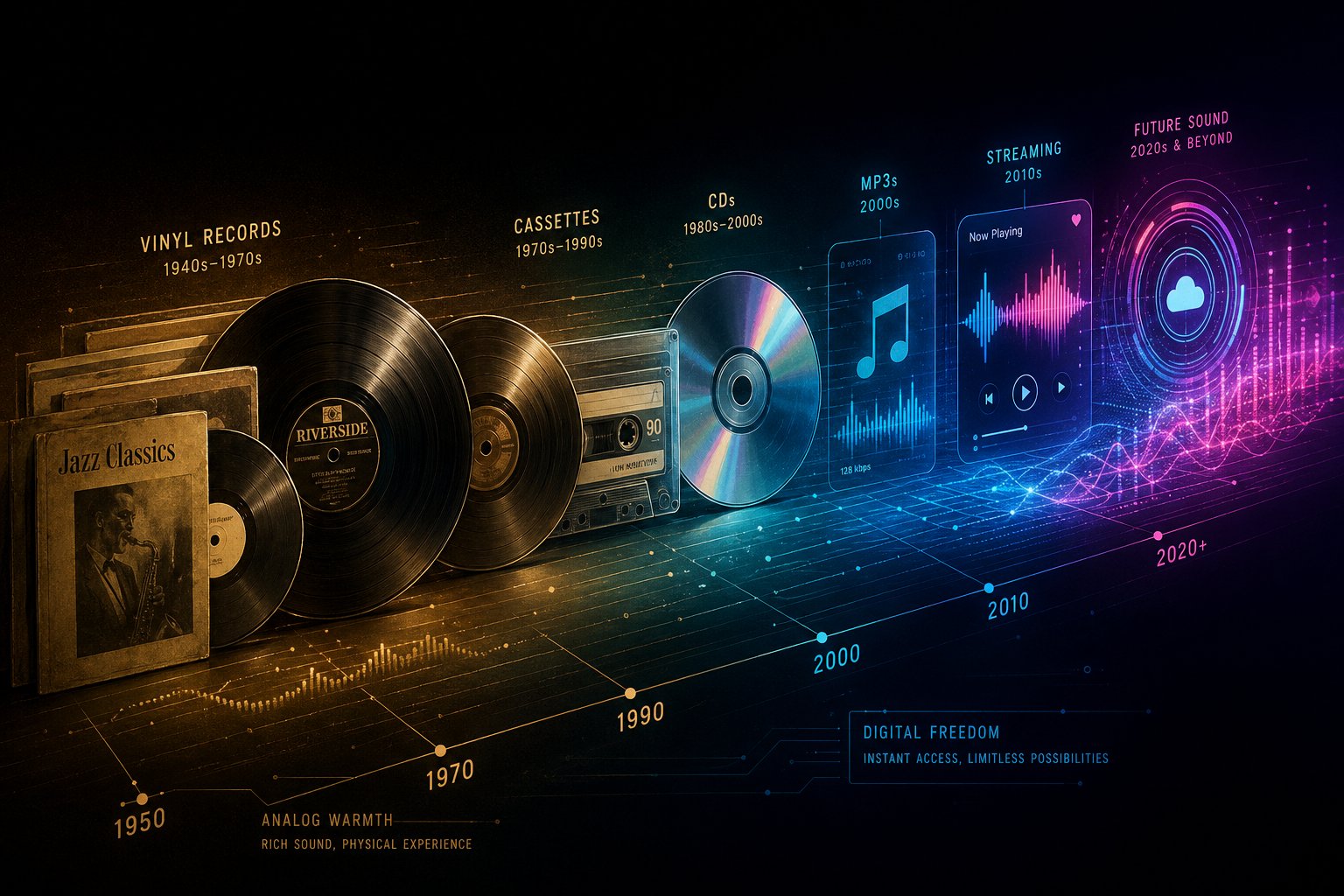
Fingerprints on tracks are one thing — the tracks themselves are the real evidence. If you want to understand how dembow evolved from a single Jamaican riddim into one of the most dominant sounds in Latin music, the fastest route is through the songs that defined each turning point. What follows is a chronological listening guide spanning over three decades, from the foundational dem bow riddim to the tracks dominating Dominican Republic popular songs charts and global playlists right now.
Classic Dembow Tracks That Shaped the Genre
These are the songs that built the blueprint. Each one introduced something the genre didn't have before — a new rhythmic template, a cultural statement, or a proof of concept that dembow could reach beyond the barrio.
Modern Dembow Hits Dominating Playlists
Streaming platforms and TikTok have fundamentally changed which songs break through. A viral dance challenge or a well-placed playlist feature can turn an underground track into a global hit overnight — something that took years of CD burns and blog uploads in the genre's early days. The tracks below represent dembow's current expansion, including cross-genre collaborations and songs that have landed on mainstream Latin charts alongside pop and reggaeton heavyweights.
Here's your full listening roadmap, from the seed to the current wave:
- "Fish Market" — Steely and Clevie (1989): The instrumental that started everything. This Jamaican production duo created the riddim that Shabba Ranks would voice over a year later, establishing the rhythmic DNA that traveled across the Caribbean.
- "Dem Bow" — Shabba Ranks (1990): The track that gave the entire genre its name. Shabba Ranks dem bow became dancehall's most recycled pattern and the direct ancestor of both reggaeton and Dominican dembow.
- "Mujeres Andadoras" — DJ Boyo (1993): Widely considered the first Dominican dembow track, this was the moment the dem bow riddim was adapted specifically for Dominican audiences and street culture.
- "Ando Loco" — Los Andolocos (2006): The first dembow song to gain large-scale club recognition across the Dominican Republic, proving the genre could fill dance floors nationwide.
- "Si Tu Quiere Dembow" — Pablo Piddy (c. 2010): A bridge between Dominican hip-hop and dembow that proved lyrical skill and genre energy weren't mutually exclusive.
- "Gustoso" — El Alfa, produced by Bubloy: A genre-defining production that showcased the raw, percussion-heavy aesthetic Bubloy championed when the industry still dismissed dembow as disposable.
- "Dema Ga Ge Gi Go Gu" — El Alfa and Bad Bunny (2017): The collaboration that introduced mainstream Latin audiences to Dominican dembow's frenetic pace, a crossover moment that opened doors for every artist who followed.
- "La Mama de la Mama" — El Alfa (2021): Peaked at No. 9 on Billboard's Hot Latin Songs chart, marking the genre's most significant mainstream chart breakthrough.
- "Titi Me Pregunto" — Bad Bunny (2022): Featured on the Grammy-winning Un Verano Sin Ti, this track brought dembow-influenced rhythms to a truly global audience and showed the genre's reach beyond its traditional base.
- "PLEBADA" — El Alfa featuring Peso Pluma (2023): A collision of Dominican dembow and Regional Mexican influence that Berklee's playlist highlighted as a genre-bending landmark.
- "Munekita" — Kali Uchis, El Alfa, and JT (2023): A dembow-reggaeton fusion that paired the king of dembow with international pop voices, proving the genre's collaborative range.
- "Boy Boy" — Yaisel LM (2023): TikTok gold. Minimalistic production by Hansel El De La H and a raspy, rapid-fire delivery made this the breakout viral hit that signaled a new generation of dembowseros.
- "Palo" — Inka featuring Bigoblin, Dinamita, and Leamback (2023): A fusion of dembow and Afro-Dominican palo music from Inka's debut album Villa Mella, connecting the genre to deeper roots of Black Dominican spiritual tradition.
- "Eta Flaca" — La Perversa (2023): A standout in a year that saw women take center stage in the dembow scene, with a slower tempo and patient cadence that proved the genre has room for stylistic range beyond pure speed.
You'll notice the list accelerates — more tracks cluster in recent years because the genre's output and visibility have exploded. That acceleration isn't slowing down. Dembow's influence is now bleeding into Afrobeats, electronic music, K-pop production, and global pop in ways that extend far beyond the Dominican Republic's borders.
How Dembow Is Reshaping Global Music and Dance Culture
That bleeding isn't subtle anymore. What started as a rhythm locked inside Dominican barrios now shows up in genres and geographies that have no obvious connection to Santo Domingo — and often, the listeners have no idea where the groove came from.
Dembow's Fingerprints on Global Pop and Electronic Music
You've probably heard the dembow riddim in places you wouldn't expect. Burna Boy and Ed Sheeran's "For My Hand" rides a rhythmic pattern that Berklee's dembow playlist flagged as a direct descendant of the same Afro-diasporic groove. Rosalia's "CANDY" layers reggaeton-dembow percussion under a track that also interpolates British dubstep. K-pop producers have quietly adopted syncopated kick-snare patterns that mirror the tresillo-based bounce at the genre's core, embedding them into high-BPM dance tracks for groups chasing a harder, more rhythmically aggressive sound.
The pattern travels so well because it's modular. A producer in Lagos or Seoul can drop the dembow drum pattern under local melodic traditions and the groove still works — it adapts without losing its identity. As Berklee ethnomusicologist Wayne Marshall put it, the rhythm's deep African roots mean it resonates across cultures that share those musical foundations, even when the surface-level sounds differ completely. Electronic producers in the global bass and club music scenes have been sampling and remixing Dominican dembow artists for years, folding the genre's percussive aggression into DJ sets from Berlin to Tokyo.
There's almost no corner of the musical world now that hasn't been touched by it. It really establishes dembow as one of the premier world rhythms. — Wayne Marshall, Berklee College of Music
Subgenres and Regional Fusions
The genre isn't monolithic, and its regional variations tell a story most coverage ignores entirely. Dominican dembow — the raw, 115-135 BPM street sound — is just one branch. Dembow-influenced reggaeton blends the riddim's energy with Puerto Rico's melodic polish, creating hybrid tracks that chart across Latin America. In Panama, producers fuse the pattern with local plena traditions, creating a heavier, bass-forward variant that nods to the country's role in the rhythm's original migration from Jamaica. And the intersection with Afrobeats production is increasingly hard to miss: Nigerian and Ghanaian producers share the same clave-influenced rhythmic vocabulary, and cross-pollination between West African and Caribbean grooves is accelerating through streaming algorithms and collaborative sessions that would have been impossible a decade ago.
Each fusion adapts the core rhythm to local tastes while preserving the syncopated bounce that makes the pattern universally danceable. That adaptability is exactly why the genre keeps expanding rather than plateauing.
The Dembow Dance Movement
Rhythm this insistent demands a physical response, and dembow's dance culture has become one of its most powerful export channels. The genre's high BPM and syncopated groove create a movement vocabulary that's distinctly different from reggaeton's slower perreo — think rapid footwork, sharp hip isolations, and full-body energy that looks more like athletic expression than casual swaying. Dominican popular songs in the dembow lane almost always arrive paired with a specific dance, and social media has turned that pairing into a global distribution engine.
TikTok and Instagram Reels compress the cycle from release to virality. A dembow artist drops a track, a dancer in Santo Domingo posts a challenge, and within days the choreography is being replicated in Mexico City, Miami, Madrid, and Manila. The dance becomes the marketing — no radio play or playlist placement required. This visual-first spread is a major reason why Dominican dembow artists have built international followings faster than any previous generation of Caribbean musicians. The body understands the rhythm before the ear can name the genre, and that physical immediacy is something no algorithm can manufacture.
All of this global momentum raises a practical question for the growing number of producers and creators watching from the sidelines: how do you actually make a track that captures this energy?
How to Create Your Own Dembow-Inspired Tracks
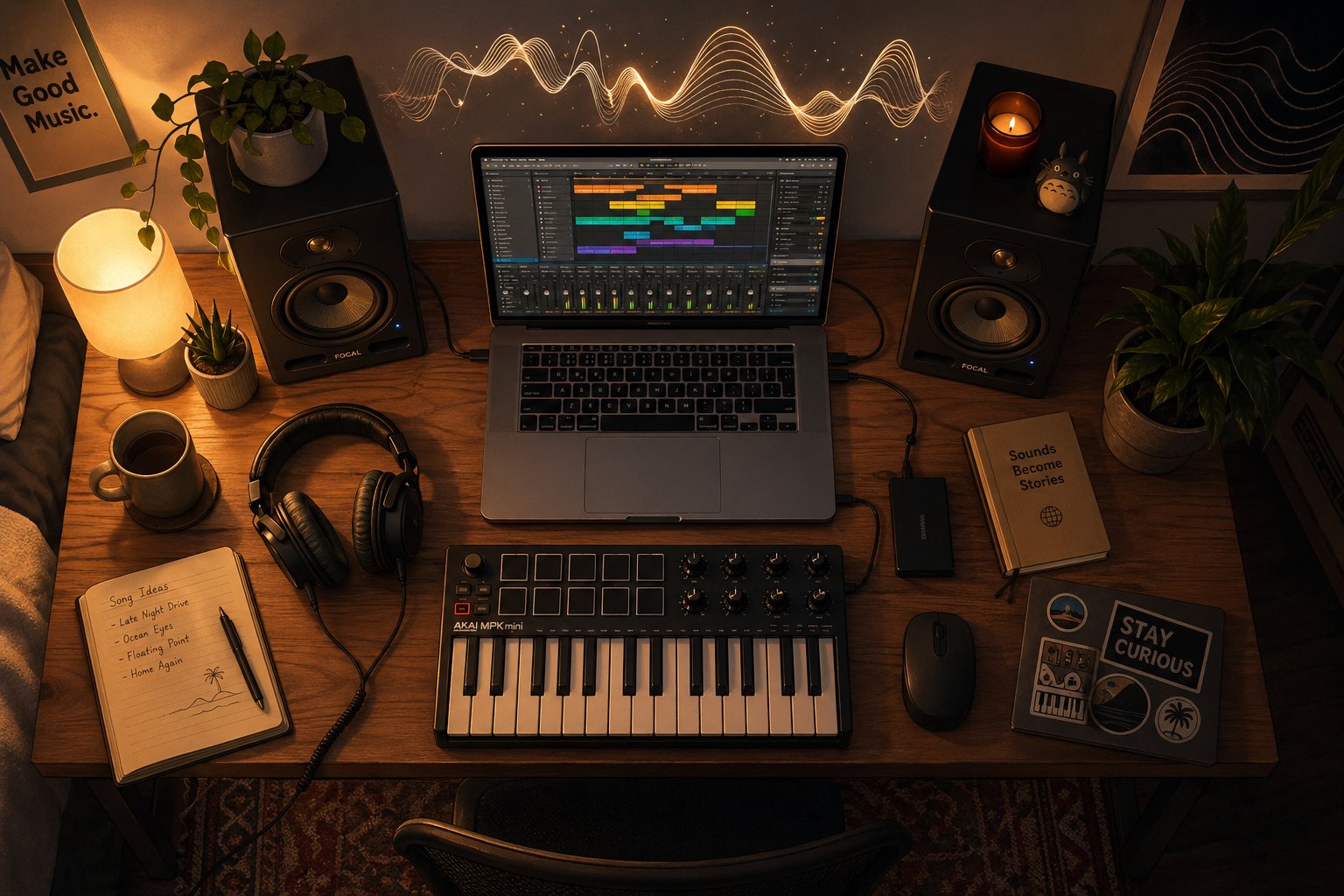
Watching the genre reshape global music is one thing. Getting your hands inside the rhythm is something else entirely. Whether you're a bedroom producer curious about que es dembow from a production standpoint, a content creator looking for high-energy backing tracks, or a musician who wants to fuse that Dominican bounce into your own sound, the barrier to entry is lower than you'd think.
Getting Started with Dembow Production
Everything starts with the drum pattern we broke down earlier. Go back to that kick-snare-hi-hat relationship from section three and program it into your DAW of choice — FL Studio, Ableton Live, Logic Pro, or any platform that lets you sequence drums. Set your project tempo between 118 and 128 BPM as a starting point. That range gives you the frenetic energy of popular dembow songs without pushing into territory that's hard to mix.
Next, pick your 808. You want something deep and chest-rattling but unpitched enough that it doesn't clash with whatever melodic elements you add later. Distortion or light saturation helps the bass cut through on smaller speakers — a trick borrowed directly from the lo-fi aesthetic Dominican producers favor. Layer a half-open hi-hat on top of the kick if the low end feels thin. As UJAM's dembow production guide notes, this single addition can fill out the rhythm immediately.
Here's the mindset shift that matters most: dembow's power comes from rhythmic precision, not melodic complexity. Resist the urge to stack synth layers and chord progressions. Keep the arrangement lean. A simple two-bar bass pattern jumping between root and fifth, a clipped vocal sample looped for texture, and your drum groove — that's a complete foundation. Artists like Danny Ocean have shown that dembow rhythms can sit under smoother melodic frameworks, but even those genre-blending tracks start with the percussive skeleton. Dominicanas dembow producers have always understood this: get the drums right first, and everything else falls into place.
AI Tools That Make Dembow Accessible to Everyone
Not everyone wants to learn a DAW from scratch, and that's fine. AI music generation tools have made it possible to experiment with genre-specific sounds without years of production training. If you want to hear what a dembow-inspired track actually sounds like before committing to a full production workflow, MakeBestMusic's AI Song Generator lets you input a genre or mood — type "dembow" or "Dominican urban" — and generate a royalty-free track in seconds. It's a useful way to sketch ideas quickly, audition different tempos, or create a base track you can then pull into a DAW and customize with your own drum patterns, 808 choices, and vocal samples.
Think of it as one step in a broader creative workflow rather than the entire process. Generate a reference track with AI, identify the elements that feel right, then rebuild those elements with your own production choices. The goal isn't to replace the craft — it's to shorten the distance between hearing the rhythm in your head and hearing it through your speakers. The genre that started on neighborhood sound systems with borrowed riddims and burned CDs has always rewarded resourcefulness over polish. The tools have changed. The philosophy hasn't.
