


Does TuneCore Allow AI Music and What Are the Conditions
You made a track using AI tools and you want it on Spotify, Apple Music, or Tidal. The first question that hits: does TuneCore allow AI music? The short answer is yes, but not without guardrails. TuneCore distributes AI-generated and AI-assisted music only when the generative AI models involved were trained on fully licensed datasets. Use a tool built on unlicensed or scraped data, and your track is not eligible for distribution, period.
TuneCore's Short Answer on AI Music
TuneCore, owned by Believe, chose a structured path instead of a blanket ban. Rather than rejecting all AI music outright, they published a GenAI Music Content Framework that spells out exactly what qualifies for distribution. The distinction is straightforward: if the AI tool you used can demonstrate that its training data is properly licensed, your music can go live. If it cannot, the track gets blocked.
TuneCore supports creative innovation, including the responsible use of AI as part of the music creation process, aligned with our AI principles of consent, control, compensation, and transparency. Music created using GenAI models that rely on fully licensed datasets is eligible for distribution through TuneCore.
This framework rests on four core principles that govern every AI-related upload decision: Consent (the AI model must be trained on authorized data), Control (artists retain meaningful creative direction), Compensation (rights holders whose work trained the model are fairly paid), and Transparency (creators must disclose AI involvement during the upload process). These are not suggestions. They are requirements baked into TuneCore's distribution pipeline.
Why This Policy Matters for Independent Creators
For independent artists using TuneCore for distribution, this policy creates both clarity and responsibility. You are not locked out of using AI in your workflow. AI mastering, AI-assisted composition, even AI-generated stems can all pass review if the underlying tools meet the licensing standard. The burden, though, falls on you to verify what you are using before you upload.
Think of it this way: TuneCore is not policing your creativity. They are policing the source of the data powering your tools. A track composed with Google Flow Music, TuneCore's approved partner, clears the bar automatically. A track generated by a tool with no transparency about its training data? That is where problems start.
This article breaks down what each principle means in practice, maps the spectrum of AI involvement to compliance outcomes, walks through the actual upload process, and covers edge cases like voice cloning and AI lyrics. The goal is not to summarize a policy document but to give you a working playbook so your AI music reaches listeners without rejection or takedown.
The framework sounds clean in theory. In practice, the four principles create nuances that determine whether your specific workflow passes or fails review.
The Four AI Principles That Govern Every Upload
Every track you submit through TuneCore passes through a filter shaped by four principles. These are not abstract values printed on a marketing page. They are operational rules that determine whether your music gets distributed or blocked. Believe, TuneCore's parent company, designed this GenAI Music Content Framework to function as a practical gatekeeper, and each principle carries specific requirements you will need to satisfy before hitting upload.
Here is the breakdown of all four, with real scenarios showing what compliance looks like and where creators typically trip up.
- Consent — The AI model must be trained on licensed or authorized data.
- Control — The artist must maintain meaningful creative direction over the output.
- Compensation — Rights holders whose work trained the model must be fairly paid.
- Transparency — AI involvement must be disclosed during the upload process.
Consent and Licensed Training Data Requirements
Consent is the foundational principle and the one most likely to trip up independent creators. It asks a simple question: was the AI tool you used trained on music it had permission to use? If the answer is yes, you clear this requirement. If the answer is no or unknown, your track faces rejection.
What does this look like in practice? Believe has established licensing agreements with platforms like Udio and ElevenLabs, and partnered with Google to give artists access to Flow Music, an AI-powered music creation tool. These partnerships guarantee that the training data behind these tools is properly licensed. When you create with Flow Music or another approved partner, consent is baked into the tool itself.
Contrast that with an AI generator that scraped millions of recordings from streaming platforms without permission. The legal landscape around unlicensed training data is shifting rapidly. The U.S. Copyright Office concluded in 2025 that the fair use argument generally favors copyright owners, not AI companies. Major labels have already moved from litigation to licensing deals, with Warner settling with Suno and UMG settling with Udio in late 2025. TuneCore's consent principle aligns directly with this trend: if the tool cannot prove its data is licensed, TuneCore will not distribute the output.
- Compliant example: You compose a track using Google Flow Music, which operates on licensed datasets through Believe's partnership. Consent is satisfied automatically.
- Non-compliant example: You generate instrumentals with a tool that has no published licensing agreements, no transparency about its training data sources, and has faced copyright infringement claims. Consent is not met.
The practical takeaway: before you commit hours to a production workflow, check whether your AI tool publicly discloses its training data licensing. If that information is nowhere to be found, treat it as a red flag.
Control and Creative Direction Standards
Control addresses a question that separates AI-assisted music from content farming: did you actually make creative decisions, or did you just click "generate" and export the result?
TuneCore's framework expects artists to maintain meaningful creative direction over the final output. You do not need to perform every note yourself, but you do need to shape the music in ways that reflect intentional artistic choices. Think of it as the difference between using AI as a collaborator versus using it as a vending machine.
Imagine you prompt an AI tool, receive a generated track, then spend time adjusting the arrangement, rewriting sections, layering your own elements, and making deliberate mix decisions. That workflow demonstrates control. You guided the output toward your vision. Alternatively, imagine generating dozens of tracks in bulk, exporting them untouched, and uploading them directly. That workflow shows no meaningful creative direction and likely fails this standard.
- Compliant example: You use an AI tool to generate a chord progression, then build original melodies, write lyrics, record vocals, and produce the arrangement around that seed idea. Your creative fingerprint is all over the finished track.
- Non-compliant example: You generate a complete song with AI, including vocals, melody, and instrumentation, change nothing, and upload it as-is. No creative direction was exercised beyond the initial prompt.
Control does not mean AI cannot do heavy lifting. It means you need to be in the driver's seat. If you can articulate specific creative decisions you made during production, choices about structure, arrangement, lyrics, tone, or performance, you are likely meeting this standard.
Compensation and Transparency Obligations
Compensation works hand-in-hand with consent but addresses the financial side. Rights holders whose music trained the AI model must receive fair payment for that use. As an artist uploading to TuneCore, you are not writing checks to these rights holders yourself. Instead, this principle ensures TuneCore only accepts music from AI tools that have proper licensing structures in place, structures where compensation flows back to the original creators.
This is why Believe's partnerships matter. When TuneCore approves a tool like Udio or ElevenLabs, it is because those platforms have established compensation mechanisms through their licensing agreements. The ai music publishing administration services layer ensures that value created by AI does not bypass the humans whose work made the AI possible in the first place.
- Compliant example: You use a tool that has published licensing deals with rights holders, confirming royalties flow to the artists whose recordings trained the model.
- Non-compliant example: You use a tool that trained on copyrighted catalogs without paying the rights holders, regardless of whether the tool itself claims legality.
Transparency is the most straightforward principle, but ignoring it carries real consequences. During the TuneCore upload process, you are required to disclose AI involvement in your track. The platform collects specific information about the nature and extent of AI use, whether it touched vocals, instrumentals, composition, or the full production. This metadata gets passed downstream to streaming platforms like Spotify and Apple Music, which maintain their own disclosure requirements.
Skipping disclosure is not a gray area. Platforms now run detection systems alongside metadata checks. If your track is flagged as AI-generated after release but was not properly disclosed, the consequences escalate from track removal to account warnings and potential royalty holds. Transparency is the easiest principle to satisfy and the most avoidable reason for a takedown.
- Compliant example: You check the appropriate AI disclosure fields during upload, specifying that AI was used for instrumental generation while vocals are human-performed.
- Non-compliant example: You upload an AI-generated track without checking any disclosure boxes, hoping detection systems will not catch it.
These four principles create a clear framework, but music production rarely fits into neat categories. The real complexity emerges when you start mapping different levels of AI involvement against these rules, because a track that uses AI for mastering sits in a very different compliance position than one that is entirely machine-generated.
AI-Assisted vs Fully AI-Generated Music Explained
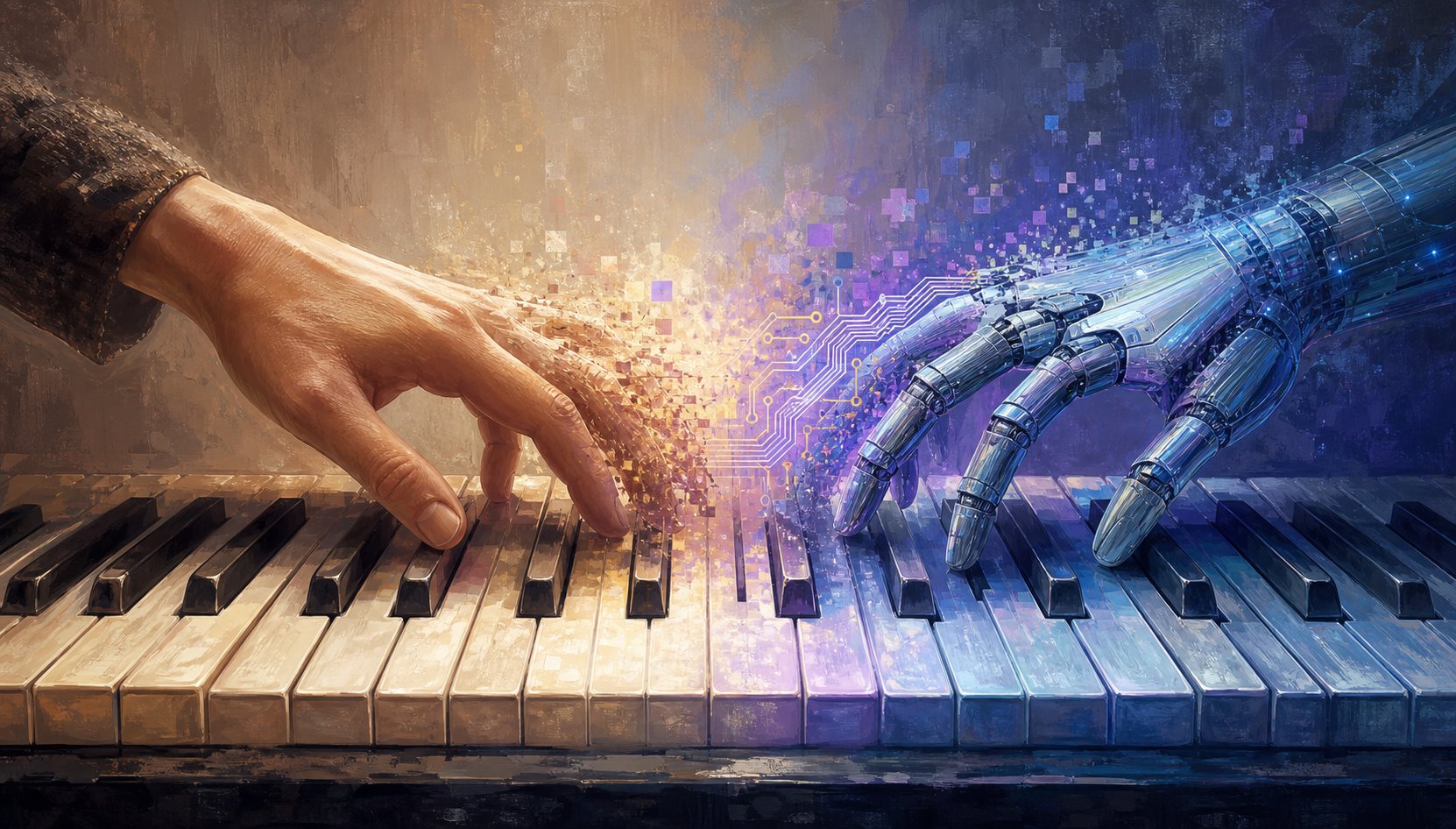
Most conversations about AI music treat it as an either-or question: either a human made it or a machine did. That framing misses the reality of modern production entirely. AI involvement in music exists on a spectrum, and where your track falls on that spectrum directly shapes whether TuneCore accepts it, flags it for review, or rejects it outright.
As Roman Gebhardt, Chief AI Officer at Cyanite, put it in a recent interview: "AI's role in music creation exists on a spectrum, from AI-assisted sample selection, mixing, and mastering, to full AI composition or instrument design." Detection systems like Cyanite's do not attempt to define where the line is. That decision belongs to distributors and their customers. TuneCore has drawn its own lines based on the four principles, and understanding the tiers of AI involvement helps you predict exactly where your music lands.
Five Levels of AI Involvement in Music Production
Think about your last session. Did AI touch just the final polish, or did it write the melody, perform the vocals, and arrange every element? The difference matters enormously. Here are five distinct tiers that cover the full range of how ai artists music creators use generative tools today:
Level 1: AI mastering or mixing only. You wrote, performed, and recorded everything yourself. AI enters the picture only at the very end, handling tasks like EQ balancing, stereo widening, compression, loudness optimization, or spatial processing. TuneCore mastering tools themselves use AI-powered processing, so this tier is fully within the platform's comfort zone.
Level 2: AI-generated loops or stems combined with human composition. You composed the song structure, wrote the melody, and performed key parts. AI contributed specific elements like a drum loop, a synth pad, or a bass stem. The creative architecture is yours; AI filled in supporting material.
Level 3: AI-composed melody with human lyrics and vocals. You prompted an AI tool to generate a melodic or harmonic foundation, then wrote original lyrics and recorded your own vocal performance over it. The AI handled compositional heavy lifting while you provided the human elements that give the track identity.
Level 4: AI vocals with human composition. You wrote and arranged the entire song, produced the instrumentals, but used an AI voice model for the vocal performance. This could mean cloning your own voice, using a licensed AI vocalist, or generating a synthetic voice from a platform's model.
Level 5: Fully AI-generated track with no human creative input. You typed a prompt, the tool generated a complete song including composition, arrangement, instrumentation, vocals, and mixing, and you exported it without edits. No meaningful human creative direction was applied beyond the initial text prompt.
Where TuneCore Draws the Line
Mapping these levels against TuneCore's published principles reveals a clear pattern. The more human creative involvement in your track, the safer your position. The less human direction, the more scrutiny you face.
Levels 1 through 3 generally pass review when the AI tools involved use licensed training data. At these tiers, human creative contribution is substantial and demonstrable. You shaped the song. You made decisions about structure, lyrics, performance, or arrangement. AI acted as an assistant, not an author.
Level 4 introduces a specific wrinkle: vocal consent. If you cloned someone else's voice without explicit permission, you violate the consent principle regardless of how original your composition is. If you cloned your own voice or used a licensed AI vocal model, the consent requirement is likely satisfied, but transparency disclosure remains mandatory.
Level 5 faces the highest scrutiny and the greatest risk of rejection. A fully AI-generated track with zero human creative direction struggles to satisfy the control principle. It also raises the hardest questions about whether it constitutes a genuine artistic work or simply raw tool output. TuneCore's framework treats AI as a technology in the process, not as a replacement for human authorship. When there is no human authorship to point to, the submission weakens considerably.
Here is how this maps out in practice:
| AI Involvement Level | Example | Likely TuneCore Status | Key Requirement |
|---|---|---|---|
| Level 1: AI Mastering/Mixing Only | Human-recorded track run through AI mastering like LANDR or TuneCore's own tools | Accepted | Minimal concern; tool licensing is standard |
| Level 2: AI Stems + Human Composition | Artist writes and performs vocals/melody; AI generates a supporting drum loop or pad | Accepted (with disclosure) | AI stem tool must use licensed training data |
| Level 3: AI Melody + Human Lyrics/Vocals | AI generates chord progression and melody; artist writes lyrics and records live vocals | Accepted (with disclosure) | Licensed AI tool + demonstrable human creative choices |
| Level 4: AI Vocals + Human Composition | Artist writes and produces full instrumental; uses AI-generated or cloned voice for vocals | Conditional | Vocal model must have explicit consent from voice owner or be artist's own voice |
| Level 5: Fully AI-Generated | Complete track generated from a text prompt with no human editing or arrangement | High risk of rejection | Fails control principle; no meaningful human creative direction demonstrated |
A few things stand out from this matrix. First, TuneCore mastering through AI is essentially a non-issue. The platform itself offers AI-powered processing, which signals that tool-assisted enhancement of human-created content is fully acceptable. Second, the jump from Level 3 to Level 4 is where compliance gets more nuanced, because vocal identity carries additional rights considerations beyond standard compositional copyright. Third, Level 5 is not explicitly banned by TuneCore's published language, but it sits in the weakest possible position against every principle simultaneously.
The practical lesson for anyone running an ai music label or releasing independently: your compliance position strengthens every time you add a layer of genuine human creative involvement. Even modest interventions, rewriting a section, re-recording a vocal, rearranging the structure, editing the mix, shift your track from a risky category toward a safer one. Detection technology continues to improve, and as Cyanite's research confirms, fully AI-generated tracks with no human post-production leave the strongest detectable signal in the audio itself.
Knowing your tier is the starting point. The real questions get interesting in the gray zones, those edge cases where AI touches specific elements like your own cloned voice, AI-written lyrics, or stems generated by tools with unclear licensing status.
Edge Cases That TuneCore's Policy Covers
Gray zones are where most creators actually live. You are not generating an entire song from a text prompt, but you are also not recording everything from scratch. Maybe you ran your finished mix through an AI mastering engine. Maybe you cloned your own voice to save studio time. Maybe an AI lyrics generator for songs helped you workshop a verse that was stuck for weeks. Each of these scenarios carries different compliance weight under TuneCore's framework, and understanding the distinctions keeps your release safe.
AI Mastering and Mixing as Low-Risk Use Cases
If there is one category you can stop worrying about, it is AI mastering. TuneCore itself offers AI-powered mastering tools through its platform, which tells you everything about where this sits on the risk spectrum. AI mastering TuneCore workflows enhance audio that already exists. They optimize loudness, balance frequencies, apply compression, and polish stereo imaging. No new creative content is generated. The AI processes your finished work rather than authoring anything original.
The same logic applies to AI mixing assistants that automate tasks like gain staging, EQ matching, or reverb balancing. These tools operate on recordings you already created. They do not compose, perform, or generate musical elements. Because of this, they raise virtually no concerns around consent, control, or compensation. You are the creator. The AI is a more sophisticated version of a plugin preset.
- AI mastering (LANDR, iZotope Ozone, TuneCore's own tools): Fully compliant. No disclosure typically needed beyond standard processing.
- AI mixing assistants (auto-EQ, intelligent gain, spatial processing): Fully compliant. These enhance rather than create.
Voice Cloning Your Own Voice
Here is where things get more interesting. AI voice cloning music distribution raises immediate red flags when someone else's voice is involved, but what about cloning yourself?
When you train an AI model on your own vocal recordings and use the output in your released music, the consent principle is inherently satisfied. You are the rights holder. You authorized the use of your own voice. No one's commercial identity is being misappropriated. Under right of publicity laws, your voice is part of your personal identity, and you have full authority to license it, including to an AI model.
The transparency obligation still applies. Even though the voice is yours, the method of producing that vocal performance involved generative AI. TuneCore's disclosure fields capture how AI was used, not just whose rights might be affected. Skipping this step because "it's my voice anyway" is exactly the kind of assumption that triggers post-release flags.
- Cloning your own voice for vocal production: Likely compliant. Consent is self-granted, but disclosure is still required.
- Cloning another artist's voice without permission: Non-compliant. Violates consent regardless of how original the underlying composition is. Platforms like Spotify actively remove music that impersonates another artist's voice without authorization.
- Using an authorized voice model (e.g., Grimes via Elf.Tech): Compliant when documented. The artist explicitly licensed their voice for AI use.
AI Stems and AI Lyrics Scenarios
AI generated stems for music present a compliance question that hinges entirely on one variable: what data trained the tool? If you generate a drum pattern, bass line, or synth texture using a platform trained on licensed samples, the output is eligible for TuneCore distribution. If the tool scraped thousands of copyrighted recordings without authorization, the output is not, even if the stem sounds completely original to your ears.
This is where TuneCore's guidance becomes practical: review the tool's documentation, terms of service, and licensing disclosures. If a tool does not clearly explain where its training data comes from, it may not meet distribution requirements. For stems, treat this as your default checkpoint before building an entire production around AI-generated elements.
What about AI-written lyrics? A lyrics generator for songs powered by a large language model raises a slightly different question. Text-based AI outputs trained on text data (not audio recordings) sit in a different legal and policy space than audio generators trained on music catalogs. TuneCore's framework specifically targets GenAI models trained on music, but the transparency principle still applies broadly. If AI contributed to your lyrics, disclosing that involvement during upload remains the safest practice.
- AI-generated stems from licensed tools (Google Flow Music, approved partners): Compliant with disclosure.
- AI-generated stems from tools with opaque training data: Risky. If the tool cannot confirm licensed datasets, proceed with caution.
- AI lyrics generators (ChatGPT, specialized lyric tools): Lower risk than audio AI since text models train on text, but disclosure is still recommended.
The common thread across every edge case is that compliance never depends on whether the output sounds AI-generated. It depends on how the tool was built and whether you disclosed its role honestly. Knowing your tools and documenting your process are the two habits that separate a smooth release from a surprise takedown, which raises a practical question: what does the actual upload workflow look like when AI is involved?
How to Upload AI Music to TuneCore Without Rejection
You know which tier your track falls into, you have verified your tools, and you understand the edge cases. The remaining question is mechanical: what does the TuneCore upload AI music process actually look like from start to finish? The steps themselves are not complicated, but skipping any one of them is where creators run into trouble weeks or months after release.
Step-by-Step Declaration Process for AI Music
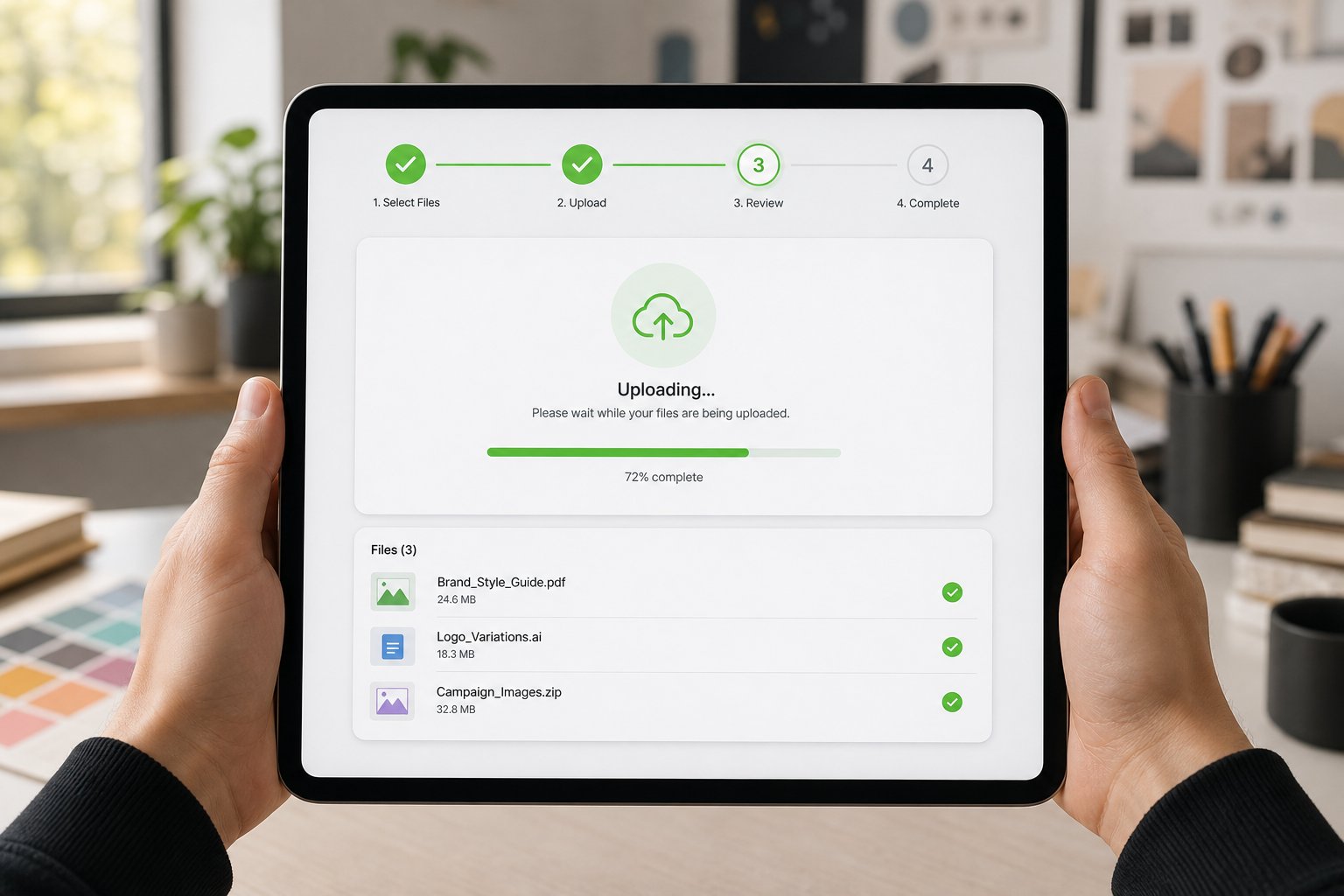
Before you even open TuneCore's upload interface, your prep work matters. The AI music disclosure requirements are not something you figure out mid-upload. They require information you should have ready before your session begins. Here is the full workflow:
- Document which AI tools you used. Write down every generative AI platform that touched your track. This includes composition tools, vocal generators, stem creators, and any model that contributed creative elements. AI mastering and mixing tools generally do not require disclosure, but anything that generated new musical content does.
- Verify the tool's training data is licensed. Check the AI platform's terms of service, licensing page, or official documentation. You are looking for explicit statements confirming that the model was trained on licensed or rights-cleared datasets. TuneCore recommends looking for clear information about how the tool is trained, explicit statements about licensed datasets, and transparent terms outlining ownership and usage rights. If none of this exists, reconsider using that tool for distributed music.
- Use the GenAI disclosure field during upload. When you create your release in TuneCore's dashboard, the upload flow includes a disclosure section where you declare AI involvement. This is not optional. Select the appropriate option indicating that generative AI was used in the creation of your track.
- Specify the nature and extent of AI use. The disclosure is not a simple yes/no checkbox. You need to indicate what AI contributed: vocals, instrumentation, composition, lyrics, or a combination. Be specific. Vague disclosure is better than none, but precise disclosure protects you if questions arise later.
- Submit and await review. After upload, your release enters TuneCore's review pipeline. Tracks with AI disclosure may receive additional scrutiny before approval. Review timelines can vary, so factor in extra lead time if you are working toward a specific release date.
One detail creators often miss: TuneCore's framework states that if GenAI is used at any point in the creation of a track, the tools involved must rely on fully licensed datasets. This means even partial use, a single AI-generated stem or a few bars of AI-composed melody, triggers the full disclosure and licensing requirement. There is no threshold below which AI use becomes invisible to the policy.
What Happens If Your Track Gets Flagged
Imagine your track is already live on Spotify and Apple Music. Streams are coming in. Then you get a notification that your release has been flagged. What happens next?
Distributors across the industry now employ forensic AI detection tools that identify micro-patterns in audio not detectable by the human ear. These systems analyze waveform characteristics, spectral signatures, and structural patterns that generative models leave behind. Under the EU AI Act, major AI models are also required to embed machine-readable watermarks into their outputs, giving detection systems another layer of identification. While TuneCore has not published the exact technology stack it uses, the industry standard involves combining these automated scans with metadata cross-referencing.
If a track is flagged post-release, consequences typically follow an escalation path:
- Release returned or taken down. The track gets pulled from streaming platforms while the issue is investigated. Any momentum, playlist placements, or algorithmic recommendations built around that track disappear instantly.
- Account warnings. Repeated violations or deliberate misrepresentation can trigger formal warnings on your TuneCore account. These warnings affect your standing and may limit future distribution privileges.
- Royalty holds. If your track generated revenue before the flag, those earnings may be held pending resolution. You do not get paid while the dispute is open, and if the track is permanently removed, those royalties may never reach you.
- Permanent removal and catalog risk. In severe cases, particularly where an artist repeatedly uploads undisclosed AI content or uses tools trained on unlicensed data, the consequences can extend beyond a single track to affect your broader catalog standing.
The key trigger for enforcement is not AI use itself but undisclosed or non-compliant AI use. A properly declared track made with licensed tools passes through without issue. A track uploaded without disclosure that later gets flagged by detection systems creates a trust problem between you and the platform.
For creators wondering how to sell AI music sustainably, the answer is straightforward: disclose everything, use licensed tools, and keep records. The TuneCore advance in policy clarity means you do not need to guess what is acceptable. The rules are published. Following them is the difference between building a legitimate AI-assisted catalog and watching tracks disappear one by one.
Compliance at the individual track level is manageable. The harder question is how TuneCore's approach stacks up against other distributors, especially if you are deciding where to release AI music for the first time.
How TuneCore Compares to Other AI Music Distributors
Choosing where to distribute AI music is not just about who says yes. Every platform that accepts AI-generated tracks attaches different conditions, disclosure standards, upload limits, and enforcement consequences. If you are evaluating TuneCore against alternatives, the comparison that matters is not simply "allowed or banned" but how each distributor handles the gray areas that define real-world AI music production.
Here is where every major distributor stands on ai music distribution in practice.
TuneCore vs DistroKid and CD Baby on AI Policies
The three largest independent distributors occupy distinct positions on the AI spectrum. DistroKid is the most permissive of the three, accepting AI music with a simple checkbox disclosure during upload. No granular breakdown of AI involvement required, no upload caps for AI content, and no distinction between AI-assisted and fully AI-generated tracks. If you own the rights and disclose, your track enters the pipeline. For high-volume creators, DistroKid's flat-rate unlimited uploads at $22.99/year make it the most cost-effective option.
TuneCore sits in the middle. AI music is accepted, but the transparency bar is higher. You fill out a detailed attribution form specifying which elements used AI and which tools were involved. That metadata gets passed to streaming platforms. The upside: if your track gets flagged for undisclosed AI, TuneCore pauses the release and lets you resubmit with proper disclosure rather than rejecting it permanently. That resubmission pathway is more forgiving than outright removal.
CD Baby occupies the restrictive end. Their policy explicitly rejects fully AI-generated content. Only tracks where AI served as an assistive tool in a human-led creative process qualify. A song where you wrote lyrics and melody but used AI for arrangement assistance might pass. A track generated entirely by Suno or Udio, even with detailed prompting, gets classified as AI-generated and blocked. There is no resubmission option for fully AI-generated music.
Emerging Distributors Open to AI Music
Beyond the big three, several platforms have carved out AI-friendly positions worth knowing about.
LANDR accepts AI music with disclosure but enforces a strict cap: a maximum of 12 AI-generated songs per calendar month per subscriber. They explicitly frame mass AI uploads as "streaming spam" and prohibit AI-generated cover songs entirely. LANDR also notes that several downstream platforms, including YouTube Content ID, Meta, TikTok, Deezer, and Pandora, restrict AI-generated content, meaning your track may not reach all stores even if LANDR approves it.
Ditto Music allows AI music with disclosure requirements and starts at $19/year for unlimited uploads. Their stance treats AI as a legitimate creative tool without penalizing disclosed content in the distribution pipeline. For budget-conscious creators producing AI-assisted music, Ditto offers competitive pricing with a permissive approach.
Amuse accepts AI music with disclosure on both free and paid tiers, though their policy is still evolving. The free tier involves revenue sharing, and Amuse has signaled that restrictions may tighten based on platform feedback. It works for testing with a few tracks but carries less predictability for long-term catalog building.
SoundOn, TikTok's distribution arm, accepts AI music under its broader content guidelines but applies its own moderation standards. For creators focused on short-form content ecosystems, soundon ai music distribution can be a path worth exploring, though the platform's policies shift more frequently than established distributors.
Here is the full comparison across every dimension that matters when deciding on the best distributor for ai music:
| Distributor | AI Music Allowed | Disclosure Required | Published Policy | Notes |
|---|---|---|---|---|
| TuneCore | Yes (AI-assisted preferred; 100% AI-generated faces scrutiny) | Yes — detailed attribution form | Yes — GenAI Music Content Framework | Resubmission allowed if flagged; per-release pricing |
| DistroKid | Yes — with disclosure | Yes — single checkbox | Yes | Most permissive; unlimited uploads at $22.99/yr; no AI caps |
| CD Baby | AI-assisted only; fully AI-generated rejected | Must prove human authorship | Yes | No resubmission for AI-generated; one-time pricing + 9% commission |
| LANDR | Yes — with limits | Yes — during upload | Yes | Max 12 AI tracks/month; no AI covers; some platforms excluded |
| Ditto Music | Yes — with disclosure | Yes | Yes | $19/yr unlimited; treats AI as legitimate creative tool |
| Amuse | Yes — with disclosure | Yes | Evolving | Free tier available; policy may tighten; revenue sharing on free plan |
| SoundOn | Yes — under content guidelines | Yes | Limited public detail | TikTok-owned; policies shift frequently; strong for short-form ecosystems |
A few patterns emerge from this landscape. TuneCore's GenAI Music Content Framework is among the most structured and transparent policies available, giving creators clear rules rather than vague guidelines. That structure comes with higher disclosure expectations than DistroKid's simple checkbox, but it also comes with a safety net: the resubmission model means a first mistake does not cost you a release permanently.
For creators releasing high volumes of fully AI-generated tracks, DistroKid or Ditto offer the least friction. For those whose workflow blends AI assistance with substantial human creativity, TuneCore's detailed framework actually works in your favor because it is designed to accommodate exactly that middle ground.
Whichever platform you choose, one reality applies across the board: every distributor now runs automated AI detection on uploads. Getting your policy compliance right is only half the equation. The other half is protecting yourself with proper documentation, a habit that pays off long after the upload button is clicked.
Protecting Yourself as an AI Music Creator
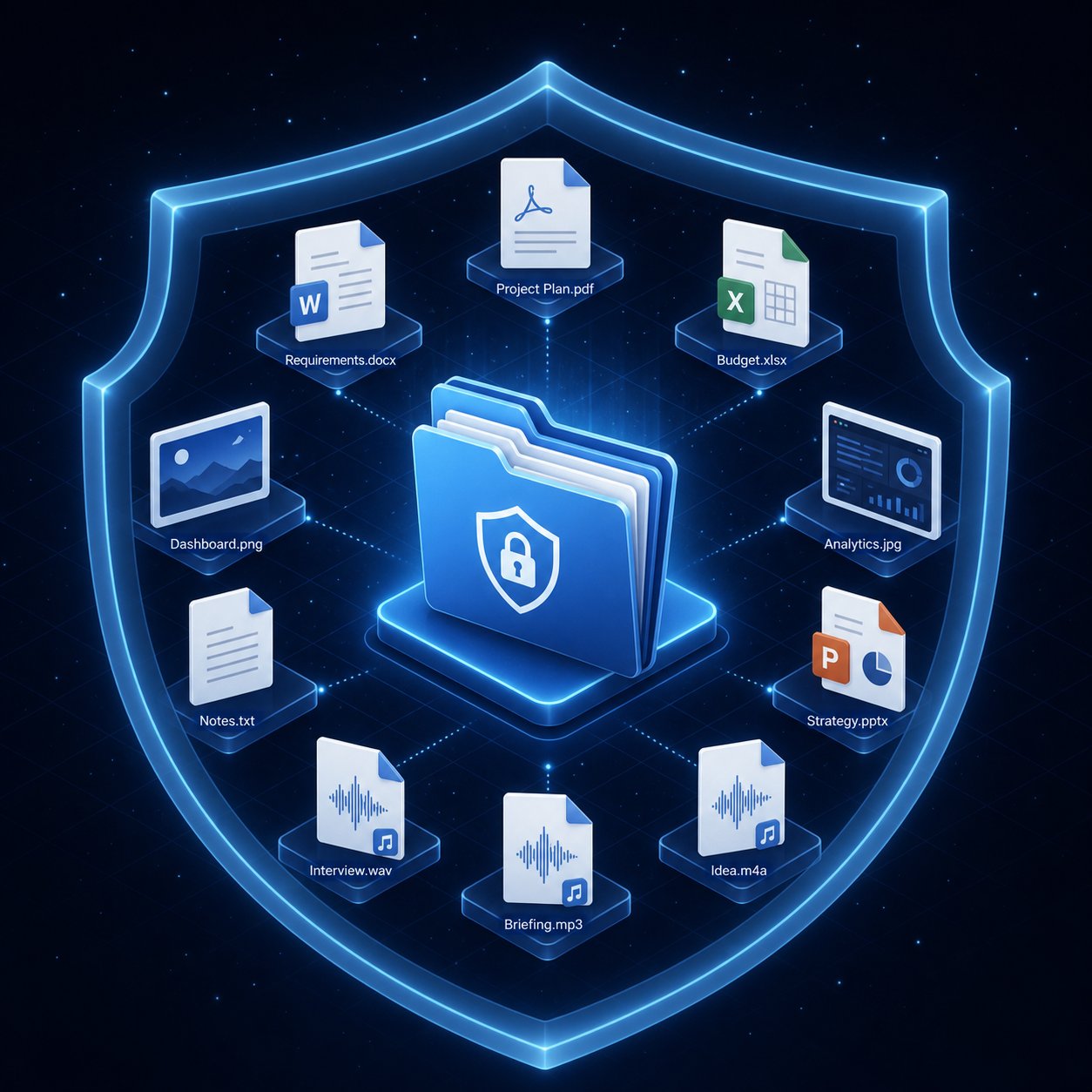
Disclosure at upload is the front door of compliance. But what happens three months later when a detection system flags your track, or a rights holder challenges its origin? At that point, your word alone is not enough. What saves you is documentation, a paper trail proving that your tools were licensed, your creative decisions were real, and your disclosure was honest from day one.
Whether you are running an ai music startup releasing tracks at scale or an independent producer experimenting with AI-assisted workflows, the habit of documenting your process is the single best form of ai music copyright protection available today. Releases flagged for AI review lose an average of 11 days of momentum even when reinstated. The artists who recover fastest are the ones whose proof package existed before the flag, not after.
Building a Compliance Paper Trail
Think of your compliance documentation as insurance you build once per session and never think about again. The goal is simple: if anyone questions your track six months from now, you can produce evidence within hours rather than scrambling to reconstruct a workflow you barely remember.
Your paper trail needs to answer three questions definitively:
- Was the AI tool licensed? Prove it with screenshots or saved copies of the platform's terms of service, licensing page, or partnership announcements confirming rights-cleared training data.
- Did you exercise creative control? Show it through version history, session files, and export logs that document your iterative decisions.
- Did you disclose properly? Keep confirmation receipts from your distributor showing the AI disclosure fields you completed at upload.
This is not paranoia. Bandcamp now removes tracks on suspicion alone. The U.S. Copyright Office requires "meaningful human authorship" for copyright registration of AI-involved works, and examiners review this on a case-by-case basis. If you ever want to register your AI-assisted compositions for copyright, your documentation of human creative input becomes the foundation of that claim.
Records Every AI Music Creator Should Keep
Here is the specific checklist for ai music creator compliance. Run through it every time you bounce a master that involved generative AI tools:
- AI tool terms of service screenshots. Capture the licensing and training data sections of every AI platform you used. Terms change over time, so date your screenshots. If the tool later removes or modifies its licensing claims, your screenshot proves what was stated when you created the track.
- DAW session file archive. Your project file is the strongest single piece of evidence that human editing occurred. It contains automation lanes, MIDI edits, arrangement decisions, plugin states, and timestamped history that AI generators cannot fabricate. Zip it alongside your master the day you bounce.
- Export logs showing human edits. Many AI platforms provide generation history or export logs. Save these. They document what the AI initially produced versus what you changed, proving you shaped the output rather than accepting it raw.
- Version history of the creative process. Save multiple versions of your project at key stages: the initial AI generation, your first round of edits, structural changes, final arrangement. This timeline of iterations demonstrates the creative journey from raw output to finished track.
- Licensing confirmations from AI platforms. If the tool provides a license certificate, export receipt, or usage confirmation stating you have commercial rights to the output, save it. Some ai music companies like Udio and ElevenLabs provide explicit commercial licensing documentation for paid users.
- Stems rendered alongside the master. Bouncing individual stems (drums, bass, vocals, synths, FX) proves arrangement decisions and lets a reviewer hear isolated elements that demonstrate human performance or intentional layering.
- Distributor disclosure confirmation. After uploading to TuneCore, save a screenshot or confirmation showing the AI disclosure fields you completed. This proves your declaration was made at the time of upload, not retroactively.
- Collaborator communications. Emails or messages referencing the project by name with a collaborator, mix engineer, or session musician create third-party witnesses with independent timestamps.
The habit itself takes about 20 minutes per release once your workflow is set up. Create a folder template named something like [Artist]_[Track]_[Date]_compliance and drop every item into it the same day you finish a track. Store it somewhere with a creation timestamp you do not control, like Google Drive or Dropbox, so the dates cannot be disputed later.
For creators building catalogs across multiple ai music companies and tools, a simple production log adds another layer of protection. This is a running document, a spreadsheet or note, where you record every AI-assisted session: the date, which tool you used, what it generated, and what you did with the output. Over time, this log becomes a comprehensive record of your creative practice that demonstrates consistent good faith and genuine artistic involvement across your entire body of work.
Documentation protects your distributed catalog. But not every creator using AI music needs distribution at all. Many need AI-generated tracks for videos, podcasts, games, or social content, projects where distributor compliance is irrelevant and the fastest path is generating music directly for commercial use without ever touching a streaming platform.
Free AI Music Alternatives for Content Projects
TuneCore's GenAI framework, the disclosure fields, the licensed-tool requirements, the compliance paper trails — all of that applies when you are putting music on Spotify, Apple Music, or other streaming platforms under your artist name. But imagine a different scenario: you are editing a YouTube video, scoring a podcast intro, building a game prototype, or posting content on TuneCore Social and other platforms. You do not need distribution. You need a track, and you need it now.
For this entire category of creators, distributor policies are irrelevant. You are not uploading to streaming stores. You are generating royalty free ai music for content creators who need background tracks, intros, transitions, or ambient scoring for commercial projects. The compliance question shifts from "is this tool's training data licensed for distribution?" to "can I use this output commercially without copyright claims?"
When You Need AI Music Without Distribution Hassles
The distinction matters more than most people realize. What is ai-powered music discovery doing for content creators right now? It is removing the bottleneck entirely. Instead of searching through stock libraries, licensing individual tracks, or navigating distributor frameworks, you describe what you need and generate it in minutes. No disclosure forms. No upload reviews. No waiting period.
This path makes sense whenever your goal is using the music inside a project rather than releasing it as a standalone product on streaming platforms. If the track lives inside your video, your game, your ad, or your podcast episode, you do not need TuneCore at all.
Free AI Music Tools for Content Creators
A free ai music generator for videos solves the problem cleanly. Tools like MakeBestMusic's Free Music Generator let you create royalty-free tracks for commercial use without accounts, subscriptions, or distribution compliance. You generate what you need, download it, and drop it into your project.
Here are the use cases where free AI music generators bypass distributor approval entirely:
- YouTube and social media videos — generate custom background music that matches your content's mood without risking Content ID strikes from stock libraries.
- Podcast intros and transitions — create unique audio branding in minutes rather than licensing generic tracks month after month.
- Game development and prototyping — produce ambient soundscapes, menu music, or level themes during development without worrying about commercial licensing costs scaling with your project.
- Ads and promotional content — generate on-brand music for marketing materials without the per-use fees that traditional stock music charges.
- Streaming and live content — avoid DMCA takedowns by using AI-generated tracks that carry no third-party ownership claims.
The key advantage is simplicity. You skip every layer of complexity this article has covered — the four principles, the disclosure forms, the detection systems, the paper trails — because none of it applies when you are not distributing through a platform like TuneCore. Your music lives inside your content, serving your project rather than existing as a standalone release on streaming stores.
For creators who do want their AI music on streaming platforms, TuneCore's framework provides a clear, structured path. For everyone else, free generation tools offer the faster route: make what you need, use it commercially, and move on to the next project.
