

Why Sad Spanish Music Moves Us Even Without Words
You don't need to know what "sad" means in Spanish to feel it when a voice cracks over a slow bolero or a guitar line bends into something unbearable. Sad Spanish songs carry a weight that crosses every language barrier. A lonely Spanish version of heartbreak, a whispered confession about loving someone you can't be with — these songs land in your chest before your brain even tries to translate. That emotional directness is exactly why millions of non-Spanish speakers find themselves crying to lyrics they can't read.
This guide goes deeper than a playlist. You'll find genre history, regional traditions, translated lyrics, and mood-matched recommendations designed to connect you with the exact flavor of melancholy you're looking for.
Why Sad Music in Spanish Hits Different
Spanish is, at its core, a musically expressive language. Its open vowels let emotion ring out longer. Rolling consonants add texture and urgency. Sentences rise and fall with a natural melodic rhythm that makes even casual conversation sound intimate. When a singer channels grief or longing through those sounds, the effect is visceral — sadness doesn't just sit in the lyrics, it vibrates in the phonetics themselves.
Tone and inflection in Spanish carry emotional meaning that goes beyond sentence structure. A phrase like "te extrano" doesn't just state "I miss you" — the way it's sung stretches the ache across every syllable. For listeners unfamiliar with the language, that vocal delivery becomes the entire story. You hear the pain without needing a dictionary.
The Psychology Behind Seeking Out Melancholy
Why do we actively search for sad sad love songs when we're already hurting? Research into what psychologists call "pleasurable sadness" offers a clear answer. A 2024 study published in PLOS ONE found that 82% of participants reported that the sadness evoked by music directly added to their enjoyment of it. The sadness wasn't a side effect — it was the point. Listeners who chose music that made them feel sad also rated that music as deeply loved, with average liking scores above 90 out of 100.
This is the "Direct effect hypothesis" at work: the sadness itself generates pleasure, not some separate emotion masking it. Your brain treats the experience as safe — you feel real grief without real consequences. The result is emotional regulation, a sense of empathy, and the deep comfort of shared feeling. When that experience arrives through the raw vocal texture of Spanish, the cathartic effect intensifies because you're processing pure sound and emotion, free from the distraction of parsing words you already know.
When you listen to music in a language you don't understand, the brain stops processing words and surrenders fully to the emotional and sonic experience — making the sadness feel more immersive, not less.
That surrender is what makes this tradition so powerful. But the emotional depth of sad Spanish music isn't accidental — it's the product of centuries of cultural expression, rooted in genres that were built specifically to give voice to suffering.
The Deep Cultural Roots of Sadness in Latin Music
Sadness in Spanish-language music isn't a trend or a mood — it's a tradition stretching back centuries. Every major genre in the Latin and Iberian world carved out its own language for heartbreak, loss, and longing. Understanding where that emotional DNA comes from changes how you hear these songs entirely.
Bolero and the Art of Romantic Suffering
Imagine a genre designed from the ground up to make heartbreak sound beautiful. That's the bolero. It was born in Santiago de Cuba in the late 19th century, carried by Afro-Cuban troubadours who brought romantic guitar songs from the countryside to Havana. By the 1920s, bolero had migrated to Mexico City, and through radio and television, it spread across all of Latin America.
Performers like Agustin Lara, Los Panchos, and Osvaldo Farres turned romantic suffering into high art. Lush orchestration wrapped around lyrics about impossible love, betrayal, and the ache of memory. The bolero didn't just describe sadness in Spanish — it elevated it, giving listeners permission to sit inside their pain and find something gorgeous there. Songs like "Sabor a Mi" and "Quizas, Quizas, Quizas" became multigenerational touchstones, the kind of music you'd hear your abuelito playing on a quiet evening. The genre remained at the top of Mexico's pop landscape until the 1950s, when ranchera and rock and roll gained momentum, but its emotional blueprint never faded.
Ranchera, Tango, and Flamenco — Three Pillars of Musical Pain
If bolero poeticized heartbreak, ranchera screamed through it. The Mexican ranchera tradition is built on stoic masculinity cracking wide open — a man with a tequila in hand, singing about betrayal and abandonment with a mariachi swell behind him. Sad Mexican songs about heartbreak often follow this exact arc: pride, then collapse, then defiant grief. Ranchera doesn't whisper its sadness. It announces it to the entire cantina.
Across the Atlantic, Argentine tango told a different story. Born in the port neighborhoods of Buenos Aires among immigrants and the displaced, tango channeled the loneliness of people far from home, caught between the life they left and the one that hadn't arrived yet. Its melancholy is slower, more cinematic — the sadness of distance and nostalgia rather than explosive heartbreak.
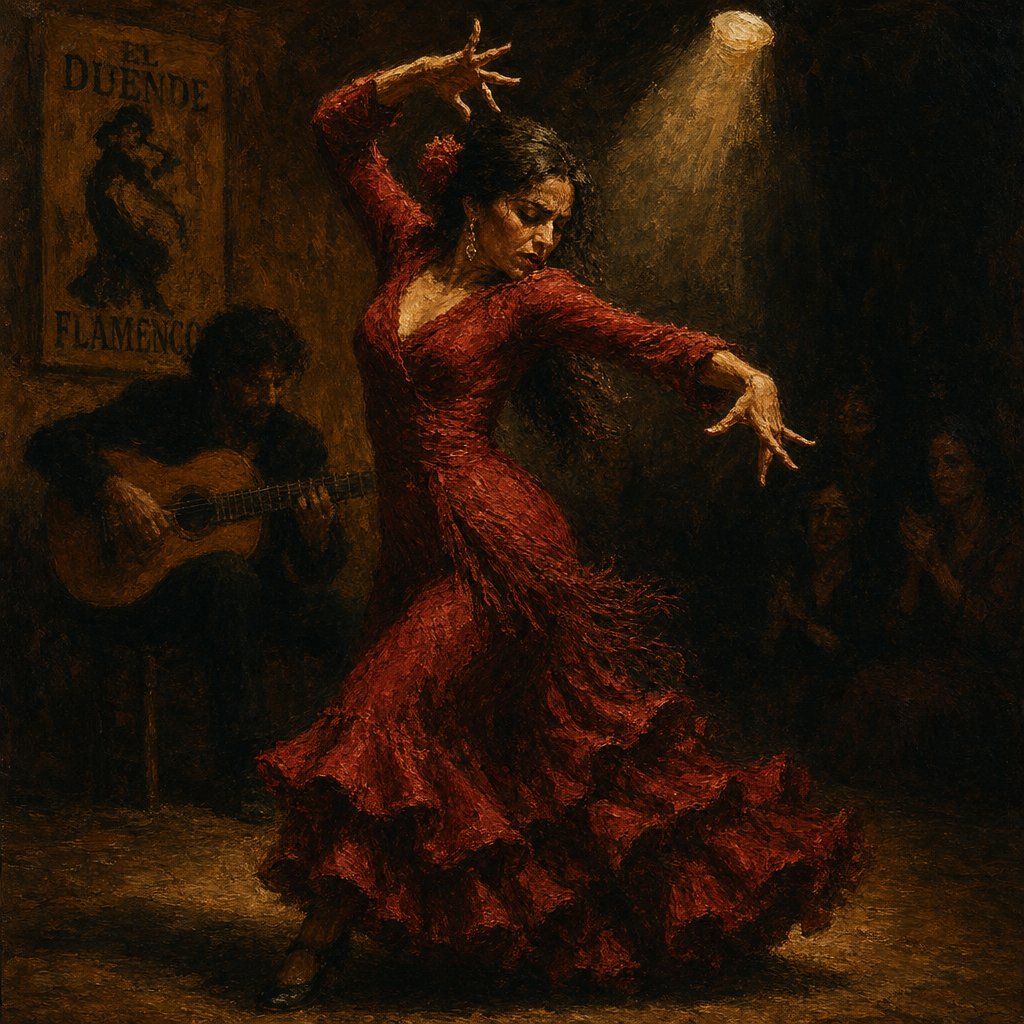
Then there's flamenco, and its concept of duende. Spanish poet Federico Garcia Lorca defined duende as "a power, not a work; a struggle, not a thought." In flamenco, duende is the dark, soulful spirit that rises when a performer reaches a place of raw, almost frightening emotional honesty. Watching a flamenco cantaor channel duende feels less like a performance and more like witnessing grief itself — unfiltered, physical, and impossible to fake. Flamenco shares roots with the blues in poverty, hardship, and haunting minor scales, and both traditions prove that the deepest music comes from the deepest pain.
How Bachata Became the Sound of Heartbreak
Bachata started in the shantytowns and brothels of the Dominican Republic in the 1960s, emerging just after the assassination of dictator Rafael Trujillo ended 31 years of authoritarian rule. Urban and middle-class Dominicans dismissed it as low-class music, but for poor and Black Dominicans, bachata was a lifeline — a way to sing about heartache, loss, and daily survival over guitar-based rhythms shaped by Cuban bolero and Mexican ranchera.
To reclaim respect, some artists in the mid-1980s rebranded the genre as musica de amargue — "music of romantic bitterness." That label captured something real. Amargue became more than a genre tag; it named a feeling of longing, quiet introspection, and emotional honesty that mirrors what Americans call "feeling the blues." By the 1990s, Juan Luis Guerra's Bachata Rosa sold over 5 million copies worldwide and earned a Grammy, pulling bachata from the margins into the global spotlight. In 2019, UNESCO added bachata to its Representative List of the Intangible Cultural Heritage of Humanity. What began as the sad Spanish song of the marginalized is now one of the most emotionally direct genres on the planet.
| Genre | Country of Origin | Emotional Signature | Iconic Sad Song |
|---|---|---|---|
| Bolero | Cuba / Mexico | Poetic romantic suffering, lush nostalgia | "Sabor a Mi" — Los Panchos |
| Ranchera | Mexico | Defiant grief, betrayal, stoic masculinity breaking | "Volver, Volver" — Vicente Fernandez |
| Tango | Argentina | Immigrant loneliness, longing, cinematic melancholy | "Volver" — Carlos Gardel |
| Flamenco | Spain | Raw duende, physical grief, dark soulfulness | "Llorare" — Camaron de la Isla |
| Bachata | Dominican Republic | Romantic bitterness, heartbreak, working-class resilience | "Muero Contigo" — Rafael Encarnacion |
Each of these traditions shaped how sadness sounds in a specific place and time. But sadness doesn't sound the same everywhere — a heartbreak song from Mexico City carries a completely different emotional texture than one from Buenos Aires or Santo Domingo. Those regional differences are worth exploring on their own.
How Sadness Sounds Different Across Latin America and Spain
A heartbreak song from Guadalajara and a heartbreak song from Buenos Aires might share the same language, but they don't share the same grief. Geography shapes everything — the instruments, the vocal delivery, the specific kind of pain being expressed. Sad Mexican songs tend to explode outward, fueled by betrayal and tequila-soaked defiance. South American melancholy turns inward, slow and philosophical. Caribbean sadness hides inside a rhythm that makes your body move even while your heart breaks. Each region built its own emotional vocabulary, and knowing the difference helps you find the exact sound that matches what you're feeling.
Mexican Sadness — Rancheras, Norteno, and Mariachi Laments
In Mexico, sad music often follows a specific emotional arc: a man who held everything together finally can't. Rancheras and mariachi laments channel betrayal, drinking culture, and the moment stoic masculinity cracks open in front of everyone. The mariachi tradition itself is rooted in western Mexico's indigenous, mestizo, and Spanish cultures, and its ensembles — violin, guitar, vihuela, trumpet — were built to amplify raw emotion in open spaces. That's why these songs feel so big. They were designed to fill plazas, cantinas, and cemeteries alike.
Norteno adds accordion and bajo sexto to the mix, giving northern Mexican sadness a rougher, more working-class texture. The pain here is less poetic and more lived-in — songs about migration, absence, and the people left behind.
- "Amor Eterno" — Rocio Durcal: Written by Juan Gabriel after his mother's death, this song is the definitive Mexican anthem of loss. The lyrics beg for eternal love beyond the grave, and Durcal's delivery turns every line into a prayer. It's played at funerals, memorials, and Dia de los Muertos altars across the country.
- "A Lo Mejor" — Banda MS: A lo mejor in English translates roughly to "maybe" or "perhaps," and the song uses that uncertainty as a weapon. The narrator wonders if maybe the person they lost is also hurting, also regretting — but never gets an answer. That unresolved ache is what makes it cut so deep.
- "El Rey" — Jose Alfredo Jimenez: On the surface, it sounds defiant — "I'm still the king." But listen closer and you'll hear a man who has lost everything and is singing bravado over a broken heart. Jimenez, one of Mexico's greatest ranchera composers, wrote from personal devastation, and this song is his masterclass in disguising grief as pride.
South American Melancholy — From Buenos Aires Tango to Andean Folk
South American sadness moves at a different pace. Argentine tango wraps its grief in cinematic elegance — the loneliness of immigrants who arrived at the port of Buenos Aires carrying everything they owned and nothing they wanted. Tango lyrics dwell on nostalgia, lost neighborhoods, and lovers who became strangers. The bandoneon, tango's signature instrument, produces a sound so mournful it feels like the instrument itself is grieving.
Further north, Andean folk music from Peru, Bolivia, and Ecuador uses the quena flute and charango to create melodies that echo across mountain valleys. The sadness here is ancient and geographic — tied to the land, to displacement, to indigenous communities whose stories were suppressed for centuries. In Chile, the nueva cancion movement turned sadness into political resistance. Artists like Violeta Parra and Victor Jara sang about worsening social conditions and the desire for freedom, blending folk instruments with lyrics that were both poetic and explicitly political. Jara became the movement's greatest martyr when he was killed during the 1973 Chilean coup.
- "Volver" — Carlos Gardel: The tango standard about returning to a place that no longer exists as you remember it. Gardel's voice carries the weight of every immigrant who looked back and realized home had changed — or they had.
- "Gracias a la Vida" — Violeta Parra: Written shortly before Parra took her own life, this song thanks life for everything it gave — sight, sound, laughter, heartbreak. The gratitude makes the underlying sadness almost unbearable. It became an anthem across Latin America.
- "El Condor Pasa" — Daniel Alomia Robles: Originally composed in 1913 as part of a Peruvian zarzuela, this Andean melody captures the longing for freedom and home. Its haunting pan-flute arrangement has made it one of the most recognized sad Spanish songs worldwide.
Caribbean and Central American Heartbreak — Bachata, Salsa Triste, and Cumbia
Here's where sadness gets complicated. Caribbean and Central American genres wrap heartbreak inside danceable rhythms, creating a bittersweet tension between what your body wants to do and what your heart is feeling. You're moving to the beat while the lyrics describe total emotional devastation. That contradiction is the whole point — in these traditions, dancing through pain isn't denial. It's survival.
Bachata delivers heartbreak with an almost conversational intimacy, the guitar patterns pulling you close while the singer confesses everything. Salsa triste — the melancholic side of salsa — layers horns and piano over stories of lost love and regret, giving the sadness a propulsive energy that won't let you sit still. Cumbia, especially Colombian and Peruvian cumbia, can shift from celebration to sorrow within a single song, its accordion and guiro rhythms carrying lyrics about absence and longing.
- "Obsesion" — Aventura: A bachata track that tells the story of a man consumed by someone who doesn't love him back. Romeo Santos delivers the narrative with the kind of desperate honesty that turned this song into a global hit — it topped charts across Europe and Latin America because unrequited obsession is a universal language.
- "Pedro Navaja" — Ruben Blades: A salsa narrative that plays like a short film — a street hustler and a sex worker cross paths on a dark Panama City night, and neither survives. Blades wrote it as social commentary, but the tragedy in the story and the irony of its upbeat arrangement make it one of the most emotionally complex songs in Latin music.
- "La Bilirrubina" — Juan Luis Guerra: On the surface, it's playful merengue about lovesickness raising your bilirubin levels. But Guerra uses humor to mask genuine romantic anguish — the kind of song where you're laughing and aching at the same time, which is the Caribbean emotional experience in a nutshell.
Each of these regions proves that sadness isn't one feeling — it's dozens, shaped by history, geography, and the instruments available to express it. But region alone doesn't capture the full picture. Sometimes what matters most isn't where a song comes from, but what specific emotional moment it speaks to.

Sad Spanish Songs Matched to Your Exact Mood
When you search for musica triste, you're rarely looking for "sad in general." You're in a specific emotional place — maybe the wound is fresh and you need something that mirrors the chaos, or maybe the loss happened years ago and you just want to sit inside the ache for a while. The difference between a song for someone who just got left and a song for someone who never had the person at all is enormous. Treating all sad Spanish songs as interchangeable misses the point entirely.
Think of this section as an emotional index. Find the feeling that matches yours, and you'll find the song that speaks directly to it.
Songs for Fresh Heartbreak and Breakups
Fresh heartbreak has a specific sound — raw, unprocessed, sometimes barely coherent with grief. These are the songs you reach for when the relationship just ended and you're still replaying the last conversation. The best spanish songs sad enough for this moment don't offer comfort. They sit in the wreckage with you.
- "Dejenme Llorar" — Carla Morrison (Mexico): The title translates to "Let Me Cry," and that's exactly what Morrison demands — space to grieve without anyone trying to fix it. Her voice is fragile and trembling, barely holding together over sparse instrumentation. The song doesn't build toward resolution. It stays in the pain, which is why it resonates so deeply with anyone in the first hours of a breakup. Morrison, a Grammy-winning indie artist from Baja California, built her career on this kind of emotional transparency.
- "Corre" — Jesse y Joy (Mexico): This one captures the moment you realize it's over and you need to walk away — not with anger, but with devastating clarity. The sibling duo from Mexico City delivers the message gently, which somehow makes it worse. "Sometimes it's just time to go," as one music writer put it, "without even looking back." The acoustic arrangement strips away any distraction, leaving nothing but the decision to leave and the grief of making it.
- "Si No Te Hubieras Ido" — Marco Antonio Solis (Mexico): A karaoke staple across Latin America for good reason — this song blames all unhappiness on the person who left. The narrator watches life pass by and finds everything wrong, everything off-balance, because one person is missing. Solis, who first rose to fame as the frontman of Los Bukis, writes with a directness that makes the sadness feel personal, like he's singing your specific story. The line "la gente siempre pasa, pasa, tan igual, el ritmo de la vida me parece mal" — life's rhythm feels wrong without you — is one of the saddest couplets in the entire ranchera-pop tradition.
- "Suelta Mi Mano" — Sin Bandera (Mexico/Argentina): The title means "Let Go of My Hand," and the song lives in that excruciating moment when two people who still love each other accept that it's not enough. Noel Schajris and Leonel Garcia trade vocal lines like two sides of the same broken heart. What makes this one of the saddest spanish songs for breakups is that there's no villain — just two people who couldn't make it work, holding on until the very last second.
Songs for Longing and Missing Someone
Longing is a slower, quieter sadness. The crisis has passed, but the absence hasn't. These songs live in the space between moving on and still reaching for your phone. They're also the songs that resonate with anyone missing a homeland, a family member across borders, or a version of life that no longer exists. Research published in Scientific Reports found that music triggers "autobiographical memories" more powerfully than photographs — which explains why a single melody can transport you back to a person or place you haven't seen in years.
- "La Distancia" — Manuel Medrano (Colombia): Medrano sings about the physical and emotional gap between two people who want to be together but can't close the distance. His voice is warm and aching, and the production stays minimal enough to let every crack in his delivery land. For anyone in a long-distance situation — romantic or otherwise — this song names the exact feeling of wanting someone who's just out of reach.
- "Otro Atardecer" — Bad Bunny feat. The Marias (Puerto Rico/USA): A surprising entry from an artist known for reggaeton bangers, this track from Un Verano Sin Ti captures the melancholy of watching another sunset without the person you love. Bad Bunny's delivery is subdued and reflective, and The Marias add a dreamy, almost ghostly vocal layer. NPR included it in their Latin heartbreak playlist for good reason — it turns a beautiful moment into a reminder of absence.
- "Mi Tierra" — Gloria Estefan (Cuba/USA): This isn't romantic longing — it's the ache of exile. Estefan sings about Cuba with a love so specific you can almost smell the salt air and hear the rhythms she's describing. For generations of Cuban exiles who could never return home, "Mi Tierra" became both a celebration and a wound. The sadness here is communal, carried by an entire diaspora.
- "Cuando Pienses en Volver" — Pedro Suarez-Vertiz (Peru): A rock-inflected anthem that became an unofficial national song for Peruvians abroad. Suarez-Vertiz invites listeners to come back home whenever they're ready, and the simplicity of that invitation — no guilt, no pressure, just an open door — is what makes it so emotionally devastating. It speaks to anyone who left a place they loved and wonders if it still remembers them.
Songs About Unrequited and Impossible Love
This is where sad Spanish music reaches its deepest emotional territory. Songs about loving someone you can never have run through every genre and every era of Latin music — from golden-age boleros to modern Latin pop. The pain here isn't about loss. It's about never having. You'll notice these songs carry a particular kind of beauty because the love they describe exists only in the singer's heart, which makes it both pure and impossible.
- "El Perdedor" — Enrique Iglesias (Spain/USA): The title means "The Loser," and Iglesias leans fully into the humiliation of watching the person you love choose someone else. There's no dignity in this song, no attempt to save face — just the raw admission that he'd rather lose with her than win with anyone else. That vulnerability is what turned it into one of the most-streamed sad Spanish tracks of its generation.
- "Creo en Ti" — Reik (Mexico): Written from the perspective of someone who keeps believing in a love that has already walked away. The Mexicali-based trio delivers the kind of earnest, unguarded devotion that makes you want to shake the narrator and comfort him at the same time. It's been called one of the best breakup songs in Spanish, but it's really about the impossible hope that keeps you tethered to someone who's already gone.
- "Yonaguni" — Bad Bunny (Puerto Rico): Named after a Japanese island, this track captures the late-night impulse to text someone you know you shouldn't. Bad Bunny sings in a half-whispered, almost confessional tone about wanting someone who isn't available — the kind of impossible love that only surfaces at 2 a.m. when your defenses are down. The reggaeton-lite production gives it a modern, hazy feel, but the emotional core is as old as the bolero tradition itself.
- "Imaginate Sin Ti" — Luis Fonsi (Puerto Rico): Long before "Despacito" made him a global name, Fonsi released this ballad about a love so consuming that imagining life without it feels like imagining life without air. The song doesn't describe a breakup — it describes the terror of one. That anticipatory grief, the fear of losing something you haven't lost yet, is a shade of sadness that most playlists overlook entirely.
Matching a song to your exact emotional state transforms passive listening into something closer to therapy. But some feelings go beyond heartbreak and longing — grief, death, and the finality of goodbye demand their own songs, and Latin music has an entire tradition built around them.
Spanish Songs About Death, Grief, and Letting Go
Heartbreak heals. Loss doesn't — not the same way. When someone dies, the sadness isn't a phase you move through. It's a room you learn to live in. And in Latin cultures, music has always been the thing that makes that room bearable. A sad Spanish song about death doesn't try to fix the grief. It sits beside you in it, giving shape to feelings that words alone can't hold.
Spanish Songs for Grieving a Loved One
Some songs become communal property in grief. "Amor Eterno," already mentioned as Mexico's definitive anthem of loss, is the clearest example — you'll hear it at nearly every Mexican funeral and Dia de los Muertos altar. But the tradition runs much deeper than a single track.
- "Recuerdame" — from the Disney-Pixar film Coco: What started as a movie soundtrack became a genuine grief anthem. Carlos Rivera recorded the Spanish-language version for Latin America, and the song's message — remember me, even when I'm gone — taps directly into the Dia de los Muertos belief that the dead truly disappear only when the living forget them. It's now one of the most requested songs at memorial services across the Spanish-speaking world. Appropriate for memorial settings.
- "La Llorona" — Various Artists: This centuries-old folk song from Oaxaca's Isthmus of Tehuantepec has been interpreted by everyone from Chavela Vargas to Natalia Lafourcade to Angela Aguilar. The lyrics mourn a love that transcends death, and the melody carries an almost supernatural weight. Every version sounds like it's being sung from the other side. Appropriate for memorial settings and Dia de los Muertos gatherings.
- "Te Llevo Para Que Me Lleves" — Gustavo Cerati (Argentina): The late Soda Stereo frontman wrote this as a poetic expression of carrying a loved one's presence beyond death. The title — "I carry you so you carry me" — frames grief as a mutual exchange rather than a one-sided burden. After Cerati's own death in 2014, the song took on an entirely new dimension for his fans. Appropriate for memorial settings.
Famous Spanish Goodbye Songs and Funeral Music
If you're searching for a specific sad Spanish song for a funeral or farewell ceremony, you need tracks that honor the moment without overwhelming it. The best goodbye songs in Spanish balance sorrow with tenderness — they acknowledge the finality while offering something gentle to hold onto.
- "Esperare" — Armando Manzanero (Mexico): A ballad about waiting for the day you'll be reunited with the person you lost. Manzanero, one of Mexico's most celebrated composers, wrote with a quiet hopefulness that makes this song feel less like an ending and more like a promise. Its gentle melody works beautifully in memorial settings.
- "Cuando Me Vaya" — Melocos and Natalia (Spain): This song speaks directly from the perspective of the departed, promising loved ones that they'll live on in shared memories. That shift in point of view — hearing the goodbye from the other side — gives it a unique emotional power that resonates at funeral services.
- "Las Flores del Camposanto" — Lupita Infante (Mexico/USA): The granddaughter of legendary actor and singer Pedro Infante recorded this majestic mariachi tribute to honor those who have passed and the cemeteries where they rest. Originally written by Luis Rosado Vega and performed by Oscar Chavez in 1986, Infante's version carries generational weight — a young artist channeling a family legacy of sad Mexican musical tradition into something both reverent and deeply personal.
Finding Comfort in Music After Loss
In Latin cultures, grief is rarely a private experience. Music is woven into every stage of communal mourning. At velorios — the wakes held in homes or funeral parlors, often lasting through the night — specific songs are played or sung together as families gather around the body of the deceased. The music isn't background noise. It's an active part of processing the loss collectively.
Dia de los Muertos deepens this tradition. Celebrated on November 1 and 2, the holiday is built on the belief that the dead cross back into the world of the living, guided by ofrendas — altars filled with photographs, candles, food, and papel picado. As therapist Patricia Hernandez explains, these ofrendas and the music that accompanies them represent a culturally accepted expression of love and remembrance that helps individuals through the tasks of mourning. Playing a loved one's favorite song at the ofrenda isn't just tradition — it's an invitation for the departed to return, even briefly.
This communal approach to grief through music mirrors what psychologists call the "outward response to grief" — mourning made visible and shared. The sad songs and lyrics that fill these gatherings give everyone in the room permission to feel the same thing at the same time. That shared emotional experience is something grief researchers consistently identify as one of the most powerful tools for processing loss.
Whether you're building an ofrenda, planning a memorial service, or simply sitting alone with the weight of someone's absence, these songs offer something rare: the feeling that your grief has already been understood by someone else, translated into melody, and handed back to you as comfort.
Beautiful Sad Spanish Lyrics Translated to English
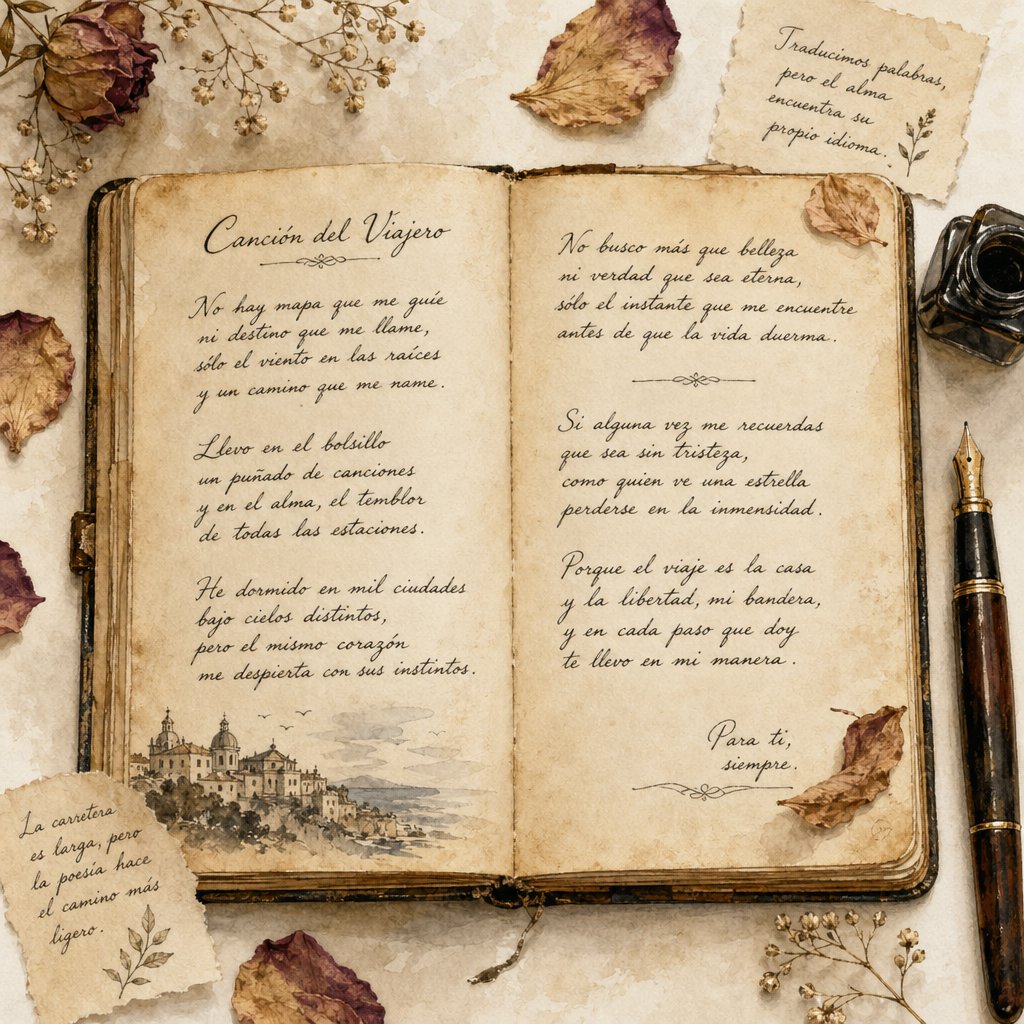
Grief, longing, and heartbreak all carry more weight when you understand the exact words being sung. But here's the thing about songs in spanish translated to english — a literal translation only gets you halfway there. Spanish lyrics are loaded with cultural nuance, double meanings, and emotional textures that don't survive a straight word-for-word swap. A phrase that looks simple on paper might carry generations of meaning in the right musical context.
If you've ever wondered how to say sad in Spanish, the answer is triste. But the language of sadness in these songs goes far beyond a single adjective. Spanish has an entire emotional vocabulary for specific shades of pain — words English doesn't have clean equivalents for. Learning even a handful of them transforms how you hear this music.
Iconic Sad Lyrics with English Translations
These five lyric excerpts come from songs featured throughout this article. Each one captures a moment where the Spanish original says something that English can only approximate. You'll notice how the phrasing, rhythm, and word choice in Spanish create emotional layers that translation flattens — which is exactly why hearing these lines sung hits so much harder than reading them on a page.
| Song Title | Spanish Lyric | English Translation | Cultural Note |
|---|---|---|---|
| "Amor Eterno" — Rocio Durcal | Como quisiera que tu vivieras, que tus ojitos jamas se hubieran cerrado nunca | How I wish you were alive, that your little eyes had never closed | The diminutive "ojitos" (little eyes) adds tenderness that "eyes" alone can't convey. In Mexican Spanish, diminutives express deep affection, not just small size — making this line feel like a parent speaking to a child. |
| "Como la Flor" — Selena | Como la flor con tanto amor me diste tu, se marchito. Me marcho hoy, yo se perder | Like the flower you gave me with so much love, it wilted. I leave today, I know how to lose | "Yo se perder" — "I know how to lose" — carries a quiet dignity rare in breakup songs. Selena's delivery turns surrender into strength, a very Tejano emotional sensibility where grace under heartbreak is a point of pride. |
| "Rosas" — La Oreja de Van Gogh | Aun me parece mentira que se escape mi vida imaginando que vuelves a pasarte por aqui | It still seems like a lie that my life slips away imagining you'll come back around here | "Se escape mi vida" literally means "my life escapes me" — a phrase that captures wasted time spent waiting. In Spain, this song became a generational anthem about spanish songs about friendship and love blurring into the same wound. |
| "Corre" — Jesse y Joy | Asi que corre, corre, corre, corazon. De los dos tu siempre fuiste el mas veloz | So run, run, run, my heart. Of the two of us, you were always the fastest | "Corazon" means both "heart" and is used as a term of endearment — so the singer is simultaneously telling her own heart to run and telling her lover ("my heart") to leave. That double meaning is untranslatable and devastating. |
| "Tu Falta de Querer" — Mon Laferte | Yo aun podia soportar tu tanta falta de querer | I could still endure all your lack of love | "Falta de querer" is a uniquely painful construction — not hatred, not indifference, but an active absence of wanting. Laferte names the specific cruelty of staying with someone who simply stopped trying. Chilean audiences recognized this as a distinctly Latin American emotional experience. |
Spanish Vocabulary You Will Learn from Sad Songs
Listen to enough melancholic Spanish music and certain words start repeating like a heartbeat. These are the emotional building blocks of the tradition — words that songwriters reach for again and again because they name feelings that English handles less precisely. You don't need to be fluent to start recognizing them. Even picking up three or four of these will change how you experience the music.
- Desamor (deh-sah-MOR) — The absence or loss of love; not just a breakup, but the feeling of love draining away. Hear it in countless bachata and bolero tracks. English has no single-word equivalent.
- Anoranza (ah-nyo-RAHN-sah) — A deep, bittersweet longing for something or someone from the past. Closer to Portuguese saudade than to English "nostalgia." You'll encounter it in tango lyrics and songs about exile like "Mi Tierra."
- Despedida (des-peh-DEE-dah) — A farewell or send-off, but with emotional weight that "goodbye" doesn't carry. It implies finality. Common in funeral songs and songs about migration.
- Soledad (so-leh-DAHD) — Solitude or loneliness, but also used as a woman's name, giving it a poetic double life in lyrics. It appears across every genre, from ranchera to reggaeton.
- Pena (PEH-nah) — Grief, sorrow, or shame depending on context. "Me da pena" can mean "it makes me sad" or "it embarrasses me." In sad songs, it almost always means heartache.
- Amargura (ah-mar-GOO-rah) — Bitterness, both emotional and literal. The root of bachata's alternate name musica de amargue. When you hear this word sung, the singer is describing a sadness that has curdled into something sharper.
- Olvido (ol-VEE-doh) — Forgetting, or the state of being forgotten. One of the most feared concepts in Latin music — to be cast into olvido is worse than being hated. It's the emotional engine behind "Recuerdame" and the entire Dia de los Muertos tradition.
- Duele (DWEH-leh) — "It hurts." Simple, direct, and everywhere. Selena's "como me duele" in "Como la Flor" is the textbook example — three syllables that carry the full weight of a breakup.
- Extranar (ex-trah-NYAR) — To miss someone. More emotionally charged than the English "miss" because the word itself sounds like it's reaching for something. You'll hear "te extrano" in virtually every longing-themed track.
- Madrugada (mah-droo-GAH-dah) — The early hours between midnight and dawn. In sad Spanish music, this is when loneliness peaks and confessions happen. Bad Bunny's late-night tracks and countless boleros live in the madrugada.
These words form a shared emotional language that connects a 1940s Cuban bolero to a modern reggaeton ballad. Recognizing them is like learning the chord progressions of sadness itself — once you hear them, you start understanding the music from the inside out. And that deeper understanding reveals something else: how the tradition of sad Spanish music has evolved across decades, from golden-age classics to the genre-blending heartbreak anthems of today.
From Golden Age Boleros to Modern Latin Heartbreak Anthems
Sad Spanish music didn't appear fully formed on a streaming playlist. It has a lineage — a thread that runs from mid-20th century bolero parlors through ranchera cantinas, past Latin pop radio, and into the bedroom-produced trap ballads filling your headphones right now. The emotional vocabulary you just learned in those translated lyrics? It was coined by artists decades ago and is still being spoken by a new generation. What changed isn't the sadness. It's the sound around it.
Tracing that arc reveals something powerful: every era reinvents heartbreak for its audience while borrowing from the one before it. The love songs Mexican artists wrote in the 1950s echo inside a Bad Bunny track from last year. The bolero's slow-burn devastation lives on in the stripped-back ballads of today's spanish pop artists. Understanding where the tradition started makes the modern stuff hit even harder.
Timeless Classics That Started It All
The golden age of sad Spanish music — roughly the 1940s through the 1970s — produced songs that still stop people mid-conversation when they come on. These tracks weren't just popular in their time. They became permanent emotional infrastructure, the songs entire families know by heart and reach for at weddings, funerals, and 2 a.m. kitchen tables.
- "Sabor a Mi" — Alvaro Carrillo (1959): A bolero so perfectly constructed it feels inevitable. Carrillo, a Mexican composer who died tragically young in a car accident, wrote a love song that doubles as a farewell — the narrator says that even after everything ends, the taste of their love will linger. Bolero's tradition of deeply emotional, expressive performance reaches its peak here. The melody is deceptively simple, but the lyric "tanto tiempo disfrutamos de este amor" (we enjoyed this love for so long) carries the weight of an entire relationship in a single line. Covered by everyone from Luis Miguel to Eydie Gorme, it remains the gold standard for romantic melancholy.
- "Volver, Volver" — Vicente Fernandez (1972): If ranchera has a national anthem, this is it. Fernandez — the undisputed king of the genre for over four decades — recorded a song about the desperate, almost irrational need to return to someone who has already destroyed you. The mariachi arrangement builds from a quiet plea into a full-throated cry, mirroring the emotional arc of someone who swore they were done and then wasn't. Fernandez continued to dominate ranchera charts from the 1970s through the 1980s, adapting to evolving production while never losing the raw vocal power that made this song iconic.
- "Si Nos Dejan" — Jose Alfredo Jimenez (1964): Jimenez wrote over a thousand songs, many of them from the bottom of a bottle, and this one captures the fantasy of running away with a forbidden love — if only the world would let them. The conditional "si" (if) that opens the song sets up an entire universe of impossible longing. It's one of the most covered songs about loving someone you can't have in the entire Latin canon, interpreted by everyone from Luis Miguel to Tammy.
- "Perfidia" — Alberto Dominguez (1939): Originally composed as a bolero, "Perfidia" crossed over into jazz and big band during World War II, becoming one of the first Spanish-language songs to achieve global recognition. The word itself means treachery or faithlessness, and the song addresses a lover whose betrayal feels cosmic — the narrator asks the stars and the sea why this person broke their heart. Its international reach proved early on that sad Spanish music could transcend language entirely.
Modern Sad Spanish Songs Redefining Heartbreak
Contemporary artists aren't abandoning the tradition — they're remixing it. The emotional core stays the same: heartbreak, longing, impossible love. But the production has shifted dramatically. Trap beats, lo-fi electronics, reggaeton rhythms, and indie-folk textures now carry lyrics that Jimenez or Carrillo would have recognized instantly. The result is a generation of spanish break up songs that feel both brand new and deeply rooted.
- "DILES" — Bad Bunny feat. Ozuna and Farruko (2016): One of the tracks that launched the "reggaeton triste" wave. Bad Bunny raps and sings about a secret relationship — loving someone in the shadows while pretending indifference in public. The trap production is dark and minimal, letting the vulnerability in his voice do the heavy lifting. It proved that reggaeton could carry genuine emotional weight, not just party energy, and opened the door for an entire subgenre of melancholic urban Latin music.
- "Antes Que el Mundo Se Acabe" — Residente (2020): The former Calle 13 frontman released this during the global lockdowns, and the timing gave it an almost prophetic quality. The song and its accompanying video celebrate human connection — kissing, touching, holding — as something precious and fragile. Residente strips away his usual lyrical complexity for something raw and direct: love each other before it's too late. It's a different kind of sadness — anticipatory grief for a world that might not come back the same.
- "Telepatia" — Kali Uchis (Colombia/USA, 2020): A dreamy, R&B-inflected track that became a viral sensation. Uchis sings about wanting someone so intensely she hopes they can feel it telepathically. The production floats — synths, soft percussion, her voice layered like a whisper — and the sadness is subtle, buried under beauty. It's longing disguised as a love song, and it introduced millions of non-Spanish speakers to the emotional depth of modern Latin pop.
- "Renuncio" — Mon Laferte (Chile, 2021): Laferte has become one of the most emotionally fearless spanish pop artists working today. "Renuncio" — "I Quit" — is exactly what it sounds like: a woman walking away from a love that has taken more than it gave. The arrangement blends ranchera-style horns with indie production, creating a sound that honors the tradition of Mexican love songs while sounding unmistakably contemporary. Laferte's voice cracks at the exact right moments, and you believe every word.
What connects a 1939 bolero to a 2021 indie-ranchera hybrid isn't genre or production — it's emotional honesty. The tools change. The feelings don't. And for listeners navigating their own heartbreak, that continuity means there's always a song that fits, no matter what decade you're drawn to. The real question isn't which era speaks to you — it's which specific phase of heartbreak you're in, because Spanish breakup songs cover every single stage.

The Best Heartbroken Songs in Spanish for Every Stage of Breakup
A breakup isn't one feeling. It's a sequence — rage, then bargaining, then the kind of sadness that pins you to the floor. The best canciones tristes en espanol understand this. Some hand you a match and tell you to burn it all down. Others just sit beside you on the kitchen tile at 3 a.m. and say nothing. Knowing which phase you're in determines which song you need.
Breakup Anthems That Channel Anger and Empowerment
There's a specific moment in every breakup where the grief flips into defiance — the "I'm hurt, but I'm leaving on my terms" energy. These songs live in that moment. They don't erase the pain. They redirect it.
- "Rata de Dos Patas" — Paquita la del Barrio (Mexico): No subtlety here. Paquita opens by calling her ex a rata inmunda — a filthy rat — and it only escalates from there. She's famous for not mincing words, and this track is the ultimate verbal demolition of a man who deserved it. If you need permission to be furious, this is your anthem.
- "Me Rio de Ti" — Gloria Trevi (Mexico): Trevi flips the script entirely. Crying over you? She's dancing. The narrator celebrates her freedom while her ex imagines her suffering alone — and the gap between his fantasy and her reality is the whole joke. It's a breakup party anthem wrapped in pure defiance.
- "Me Voy" — Julieta Venegas (Mexico): Quieter than the others, but no less powerful. Venegas doesn't scream — she simply decides. She explains, almost calmly, that she deserves better and walks out. The line "porque se que me espera algo mejor" — because I know something better awaits me — is the let it go in spanish lyrics that thousands of listeners needed to hear before making the same choice.
Devastated Breakup Songs for When You Just Need to Cry
Sometimes you're not ready for empowerment. You're not angry yet. You're just broken, and you need a song that doesn't try to fix that. These tracks offer no silver lining — just honest, floor-level pain.
- "No Me Queda Mas" — Selena (USA/Mexico): Selena's voice carries a dignity that makes the devastation worse. The song accepts the breakup completely — no me queda mas que perderme en un abismo de tristeza y lagrimas (all I can do is lose myself in an abyss of sadness and tears). Written by Ricky Vela after Selena's sister got married, the song channels a very specific grief: loving someone fully and having nothing left to offer when they go.
- "El Triste" — Jose Jose (Mexico): El Principe de la Cancion delivered this at the 1970 OTI Festival, and the performance became legendary. The song describes a world drained of color after love leaves — seas retreat, skies turn gray, everything becomes solitude. Jose Jose's vocal control, building from a whisper to a full cry, mirrors the way grief ambushes you in waves.
- "Corazon Sin Vida" — Aitana feat. Sebastian Yatra (Spain/Colombia): Don't let the pop production fool you. Aitana sings about a love that healed her broken heart only to shatter it again, leaving her with un corazon sin vida — a lifeless heart. The cool guitar and upbeat rhythm mask lyrics about a heart that simply cannot forget, no matter how hard it tries.
- "El Me Mintio" — Amanda Miguel (Argentina/Mexico): Pure melodrama, and that's exactly the point. Miguel screams, pleads, and calls on God to erase the memory of a man who lied about everything. It's the kind of heartbroken song in Spanish that gives you permission to be as dramatic as you actually feel — arms flailing, voice cracking, zero composure.
Anger fades. Devastation softens. Eventually, most people land somewhere in between — still hurting, but ready to do something with the feeling instead of just sitting inside it. That shift from consuming sad music to creating something of your own is where the tradition becomes personal.
From Listener to Creator
You've spent this entire article absorbing decades of heartbreak, grief, and longing filtered through some of the most emotionally honest music on the planet. Maybe you found the exact sad Mexican song that matched your mood. Maybe you learned how you say sad in Spanish — triste — and started hearing it everywhere. But here's what happens next for a lot of people: the listening stops being enough. The feelings you've been processing through other people's songs start demanding their own voice.
That impulse — to move from consuming sadness to expressing it — is exactly what every artist in this article followed. Violeta Parra, Jose Jose, Bad Bunny, Mon Laferte. They all started as listeners first.
Building Your Personal Sad Spanish Playlist
A playlist that actually helps you process emotion needs more structure than a random shuffle. Think of it as a journey, not a collection. Start by organizing songs by mood intensity rather than artist or genre. Open with something that meets you where you are — if you're feeling very sad in Spanish music terms, lead with raw tracks like "Dejenme Llorar" or "No Me Queda Mas." Layer in mid-intensity lost love songs that let you breathe between waves of grief. Close with something that offers a shift — not forced optimism, but a gentle change in emotional direction, like "Gracias a la Vida" or "Telepatia."
Mix eras and regions deliberately. A 1959 bolero followed by a 2021 indie-ranchera track followed by a bachata classic creates emotional texture that a single-genre playlist can't. The contrast between production styles keeps your ear engaged while the emotional thread holds everything together. Update it as your feelings change — a playlist that fit last month's heartbreak might not fit this month's quiet longing.
Turn Your Own Sadness into a Spanish Song
Writing music used to require instruments, training, and studio access. That barrier kept most people on the listening side of the equation permanently. It doesn't have to anymore. MakeBestMusic's AI Song Generator lets you select a Spanish-language style — bolero, bachata, ranchera, reggaeton — input a mood like heartbreak or longing, and generate a royalty-free original track in seconds. No musical training required. No studio. Just the feeling you want to express and a few creative choices.
The tool works the way emotional inspiration actually works: you pick the genre that matches your sadness, describe what you're feeling, and let the AI build a song around it. Want something that sounds like a classic Mexican ballad about losing someone? Choose ranchera and set the mood to grief. Want a modern reggaeton triste track about a love you can't let go of? That's a few clicks away. The result is an original composition you own — something that didn't exist before you decided your feelings deserved their own melody.
The most powerful thing about sad music has always been this: someone felt what you feel and turned it into a song. Now that someone can be you.
Every song in this article started as a feeling someone refused to keep silent. The bolero composers, the ranchera legends, the modern Latin pop artists — they all took private pain and made it public, and in doing so, they gave millions of listeners permission to feel. Your sadness is just as valid, just as worthy of expression. The tradition of sad Spanish music isn't a museum. It's a living conversation, and there's always room for one more voice.
