

What 100 BPM Means and Why This Tempo Stands Out
Imagine you're walking at a brisk, purposeful pace. Not rushing, not strolling. That rhythm your feet naturally fall into? It's probably right around 100 beats per minute. This single tempo shows up in hip-hop bangers, pop anthems, downtempo electronic tracks, and workout playlists alike. It's one of the most versatile speeds in music, and once you start paying attention, you'll notice 100 BPM songs everywhere.
100 BPM means a song's pulse hits exactly 100 beats in one minute. It sits in the moderate tempo range, faster than a relaxed ballad but slower than high-energy dance music, making it one of the most genre-flexible tempos in modern music.
This guide goes well beyond a basic song list. You'll find genre-by-genre breakdowns, curated picks with real editorial context, fitness applications backed by science, and practical tools for finding and using tracks at this tempo.
What Does 100 BPM Actually Mean
BPM stands for beats per minute. It's the standard way musicians, producers, and DJs measure how fast or slow a piece of music moves. Think of it as a song's heartbeat. A track at 60 BPM pulses once per second. A track at 100 BPM pulses just under twice per second. In traditional music terminology, 100 BPM falls in the upper range of Andante (walking pace) and the lower edge of Moderato, which typically spans 108 to 120 BPM.
Here's something worth knowing: real-world BPM values rarely land on a perfectly round number. A track you'd call "100 BPM" might actually clock in at 99.8 or 100.3 when analyzed by software. Professional DJ tools like MixMeister account for this by working within a BPM tolerance of plus or minus 1 to 2 BPM. So when you search for songs in 100 BPM, you're really looking at a tight cluster between roughly 98 and 102. That small window still captures a huge range of music.
Why 100 BPM Matters for Listeners and Creators
What makes this tempo so magnetic? It sits at a crossover point that very few other speeds can claim. For hip-hop producers, 100 BPM is slow enough to leave room for complex lyrical flows and laid-back grooves. For pop songwriters, it's steady enough to anchor a catchy chorus without feeling sluggish. Electronic producers love it because a 100 BPM foundation can be flipped into a half-time feel at 50 BPM or pushed into double-time at 200 BPM, opening up massive creative range from a single tempo setting.
Fitness enthusiasts gravitate here too. BPM-matched walking workouts have gained serious traction, and 100 BPM aligns almost perfectly with a brisk walking cadence of about 100 steps per minute. Songs with 100 bpm give walkers a natural rhythm to lock into without overthinking their pace.
The problem? Most online resources either dump thousands of tracks into a searchable database with zero context or offer bare playlists with no explanation of why these songs work. Even songs with 92 bpm or tracks in the 100/120 range get lumped together without distinguishing what makes each tempo feel different. This article bridges that gap, pairing curated picks with the editorial depth to actually make them useful, whether you're building a DJ set, a gym playlist, or just exploring what 100 BPM sounds like across genres.
How 100 BPM Sounds Across Hip-Hop, Pop, Rock, and Electronic
A number on a metronome tells you speed, but it doesn't tell you feel. Play a 100bpm hip-hop beat and a 100bpm rock anthem back to back, and they'll sound like they belong to different planets. That gap between raw tempo and perceived vibe is exactly what makes this speed so interesting, and it's the piece most song databases completely ignore.
Hip-Hop and R&B at 100 BPM
Hip-hop has one of the widest tempo ranges in popular music. Classic boom-bap tends to sit around 85 to 95 BPM, while trap pushes up to 130-140 with a half-time feel. Right in between, 100 BPM carves out a sweet spot that gives MCs enough rhythmic breathing room for intricate flows without dragging the energy down. West Coast G-funk, which historically ranges from 90 to 100 BPM, lands squarely in this zone. Think of tracks where the beat feels effortless but the vocal delivery stays sharp and syncopated.
R&B leans into the same territory for different reasons. At this tempo, songs with 100 bpm tempo carry a natural sway, slow enough for emotional vocal runs yet groovy enough to keep heads nodding. Mid-tempo R&B ballads thrive here because the pace supports both lyrical intimacy and rhythmic bounce, a combination that faster or slower tempos struggle to balance.
Pop and Rock at 100 BPM
When pop producers land on 100 BPM, the result tends to feel upbeat without being frantic. It's a tempo that invites sing-along choruses and radio-friendly hooks while leaving space for dynamic verses. You'll notice this pace in tracks that feel energetic on first listen but never push you into full-on dance mode. That restraint is the point: it keeps the song accessible to the widest possible audience.
Rock handles the same tempo with a heavier hand. A driving guitar riff at 100 BPM creates an anthemic, march-like pulse. The beat is fast enough to feel powerful but controlled enough for stadium-sized singalongs. Compare that to songs at 123 bpm, where house music and modern pop typically live, and you'll feel the difference immediately. That extra 20-plus BPM shifts the energy from commanding to urgent. At 100, rock tracks own the room without rushing through it.
Electronic and Dance Music at 100 BPM
Mainstream EDM gravitates toward 120 to 130 BPM for house and techno, so 100 BPM sits well below the typical club floor. That's precisely why downtempo electronic, trip-hop, and glitch hop call this range home. Producers in these subgenres use the slower pace to build spacious, atmospheric soundscapes where every synth pad and textured sample has room to breathe. Downtempo tracks typically fall around 90 to 110 BPM, placing 100 right at the genre's center of gravity.
Lo-fi hip-hop and chillwave also orbit this tempo, layering mellow beats with vintage synths and ambient textures. The key difference from acoustic genres is how electronic producers manipulate rhythmic subdivision. A straight kick pattern at 100 BPM feels relaxed and meditative. Add double-time hi-hats and the same track suddenly pulses with nervous energy, even though the core tempo hasn't changed. Songs with 123 bpm in a house context feel fundamentally different from a 100 BPM downtempo piece, yet a skilled producer can make 100 BPM feel just as kinetic through layered percussion and creative programming.
The takeaway? Tempo is a starting point, not a destination. Genre conventions, instrumentation, and rhythmic choices transform the same 100 BPM foundation into laid-back hip-hop grooves, anthemic rock drives, or immersive electronic soundscapes. Knowing how each genre interprets this tempo is what separates a thoughtful playlist from a random list of tracks, and it's exactly the context you need before diving into specific song picks.
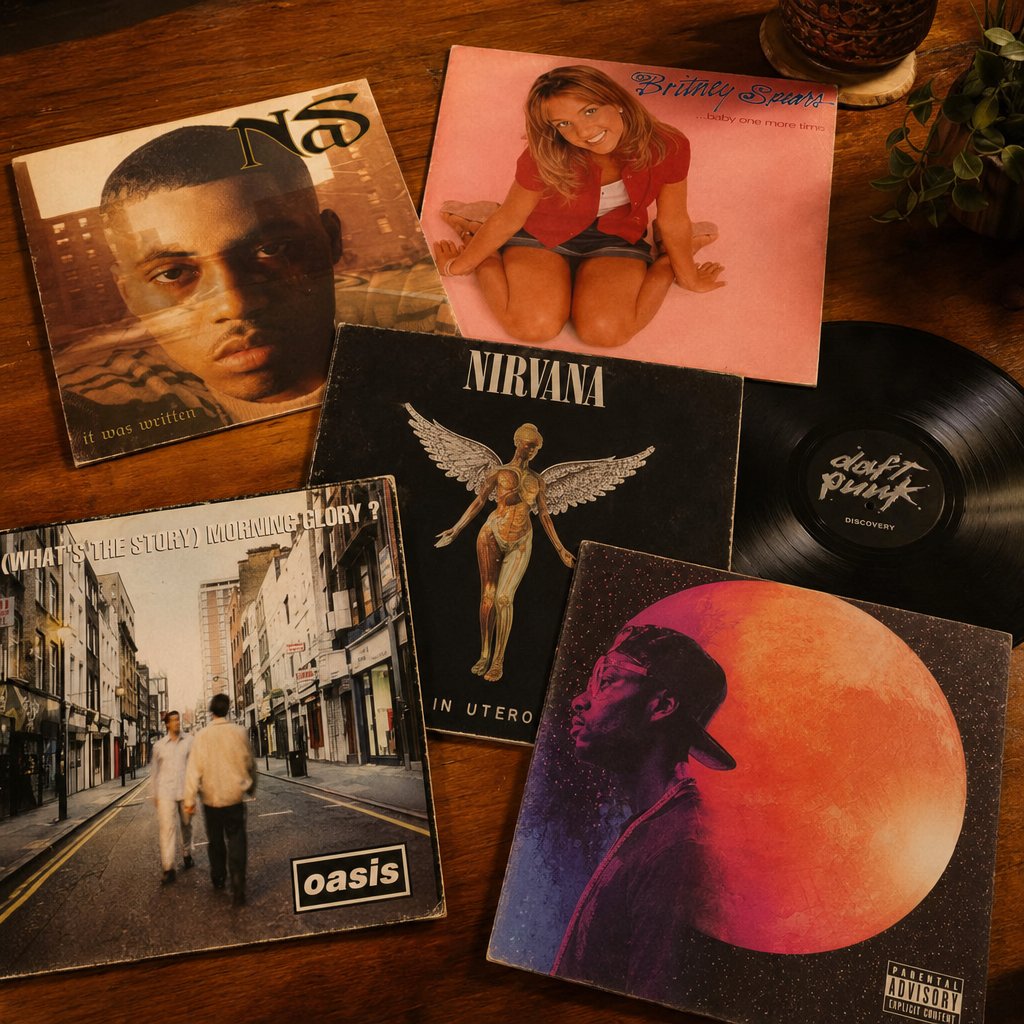
The Best 100 BPM Songs You Actually Know
Genre context is useful, but at some point you just want the tracks. The challenge with most BPM databases is volume without curation. They'll hand you 5,000 results sorted alphabetically, with no way to tell a global hit from a deep cut you've never heard of. Streaming playlists aren't much better. Amazon Music's 100 BPM playlist features names like Dua Lipa, Marshmello, and The Chainsmokers, but it offers zero explanation of why those tracks made the cut or how they actually use the tempo.
The tables below take a different approach. Every pick is a widely recognized song, organized by genre, with a short editorial note explaining what makes it tick rhythmically. BPM values are sourced from Chosic's tempo database and fall within the standard +/-3 BPM tolerance window that professional tools use. If you're building a playlist of bpm 100 songs, this is your shortlist.
Iconic Hip-Hop and R&B Tracks at 100 BPM
Hip-hop dominates this tempo range more than any other genre. BPM databases consistently confirm that hip-hop and rap carry the heaviest representation around the 100 BPM mark, and the tracks below show why. The pace gives rappers room for dense, multi-syllable flows while keeping the instrumental groove locked in tight.
| Song Title | Artist | Genre | BPM | Editorial Note |
|---|---|---|---|---|
| No Role Modelz | J. Cole | Hip-Hop | 100 | A laid-back, sample-driven beat that lets Cole's storytelling breathe. The steady 100 BPM groove anchors one of the most streamed rap tracks of the 2010s. |
| Not Like Us | Kendrick Lamar | Hip-Hop | 101 | West Coast bounce meets razor-sharp lyricism. The 101 BPM tempo gives the track a head-nodding swagger that made it an instant cultural moment. |
| tv off (feat. Lefty Gunplay) | Kendrick Lamar | Hip-Hop | 100 | Hard-hitting and minimal, this track uses the tempo as a blank canvas for aggressive delivery over sparse, punchy production. |
| Power Trip (feat. Miguel) | J. Cole | Hip-Hop | 100 | Miguel's silky R&B hook floats over a dreamy beat. The 100 BPM pace bridges hip-hop verse energy with a melodic, soulful chorus. |
| Hate It Or Love It | The Game ft. 50 Cent | Hip-Hop | 100 | Classic West Coast storytelling over a soulful sample. The tempo perfectly matches the reflective, autobiographical tone. |
| Ric Flair Drip (with Metro Boomin) | Offset | Hip-Hop | 100 | Trap-influenced production with a confident, swaggering flow. The steady BPM keeps the track feeling luxurious rather than rushed. |
| Nobody Gets Me | SZA | R&B | 100 | Vulnerable, emotionally raw vocals over a gentle rhythmic bed. The moderate tempo supports SZA's dynamic range without overwhelming the intimacy. |
| Crazy In Love (feat. Jay-Z) | Beyonce | R&B / Pop | 99 | That iconic horn riff rides a groove just under 100 BPM. The tempo feels explosive because of the syncopated brass and driving percussion, not raw speed. |
| Don't | Bryson Tiller | R&B | 97 | A defining track of the "trap soul" wave. The sub-100 BPM pace creates a moody, late-night atmosphere that became Tiller's signature sound. |
| Creepin' (with The Weeknd & 21 Savage) | Metro Boomin | R&B / Rap | 98 | A reimagined classic with a dark, atmospheric beat. The Weeknd's vocals glide over the 98 BPM groove while 21 Savage's verse adds grit. |
Notice how many of these songs that are 100 bpm use the tempo to balance contrasting elements: hard verses against melodic hooks, aggressive delivery against soulful samples. That balance is exactly what makes this speed a hip-hop staple.
Popular Pop, Rock, and Electronic Picks
Beyond hip-hop, the 100 BPM zone pulls in some of the most recognizable pop, rock, and electronic tracks ever recorded. The feel shifts dramatically. Where hip-hop uses this tempo for rhythmic space, pop leans into it for singability, rock for anthemic drive, and electronic producers for atmospheric depth. If you're searching for 104 bpm songs or songs with 115 bpm, you'll find a noticeably different energy. The tracks below sit right in the 100 BPM pocket, and each one uses that pace in its own way.
| Song Title | Artist | Genre | BPM | Editorial Note |
|---|---|---|---|---|
| Sorry | Justin Bieber | Pop | 100 | A tropical house-influenced pop hit. The 100 BPM tempo gives the dancehall-lite beat a relaxed bounce that made it a global smash. |
| Attention | Charlie Puth | Pop | 100 | Funk-driven bass line meets a clean pop vocal. Puth's production keeps the groove tight and syncopated at exactly 100 BPM. |
| Love Yourself | Justin Bieber | Pop | 100 | Stripped-back acoustic production where the tempo feels almost conversational. The simplicity lets the lyric carry the entire track. |
| Adore You | Harry Styles | Pop | 99 | A warm, retro-tinged pop track with a bouncy rhythm guitar. The 99 BPM pace gives it a feel-good, walking-pace energy. |
| Levitating (feat. DaBaby) | Dua Lipa | Dance Pop | 103 | Disco-revival production with a driving four-on-the-floor beat. At 103 BPM, it sits right at the upper edge of the tempo cluster. |
| Roses | The Chainsmokers | Electronic / Pop | 100 | A future bass track that builds from a delicate vocal chop into a shimmering drop. The 100 BPM foundation keeps it emotional rather than aggressive. |
| Happier | Marshmello | EDM / Pop | 100 | Bittersweet lyrics over a bright electronic production. The moderate tempo supports the song's emotional weight without dragging. |
| I Took A Pill In Ibiza (Seeb Remix) | Mike Posner | Dance Pop | 102 | The remix transforms a stripped acoustic original into a tropical house anthem. The 102 BPM pace keeps the melancholy lyrics dancing. |
| Paradise City | Guns N' Roses | Hard Rock | 100 | An arena-rock anthem that builds from a clean intro into a full-throttle riff. The 100 BPM tempo gives the song its iconic marching energy. |
| The Kids Aren't Alright | The Offspring | Punk Rock | 100 | Fast, aggressive punk energy that feels much quicker than 100 BPM thanks to double-time drumming and rapid-fire power chords. |
| Riptide | Vance Joy | Folk Pop | 102 | A ukulele-driven indie folk hit with an infectious, breezy rhythm. The 102 BPM pace makes it feel carefree and instantly memorable. |
| Starman | David Bowie | Glam Rock | 100 | A glam-era classic where the 100 BPM tempo supports Bowie's soaring, theatrical vocal delivery and shimmering acoustic strumming. |
| Can't Help Falling in Love | Elvis Presley | Rock and Roll | 100 | One of the most covered songs in history. The gentle 100 BPM waltz-time feel gives it a timeless, unhurried romance. |
| Hips Don't Lie (feat. Wyclef Jean) | Shakira | Latin Pop | 100 | Latin percussion and a dancehall-flavored groove at exactly 100 BPM. The tempo lets the polyrhythmic layers breathe without competing. |
| Electric Feel | MGMT | Indie / Electronic | 103 | A psychedelic, synth-heavy groove with a funky bass line. The 103 BPM pace creates a hypnotic, slightly off-kilter dance feel. |
A few patterns stand out. Pop tracks at this tempo tend to use clean, straight rhythms that make the beat easy to feel on first listen. Rock songs lean on guitar-driven power to make the same BPM feel heavier and more urgent. Electronic picks exploit the space between beats, filling it with textured production and atmospheric layers. Songs at 94 bpm or tracks closer to 103 bpm each shift the feel in subtle but noticeable ways, which is why verifying exact BPM values matters when you're building a playlist or preparing a DJ set.
One important note: BPM databases don't always agree. A track listed at 100 on one platform might show up as 98 or 102 on another, depending on the analysis algorithm. Always cross-reference values if precision matters for your use case, especially for DJ mixing or tempo-synced workouts. The picks above have been checked against multiple sources, but a variance of 1 to 2 BPM is normal and expected.
With a solid library of tracks in hand, the natural question shifts from "what should I listen to" to "what should I do with these songs." And for a huge segment of people searching for music at this tempo, the answer involves movement.

Why 100 BPM Is the Go-To Tempo for Fitness and Movement
Knowing which tracks sit at 100 BPM is one thing. Knowing how to put them to work during a workout is where the real value kicks in. Fitness playlists built around bpm music aren't just a trend. There's genuine science behind matching tempo to movement, and 100 BPM lands in one of the most practical zones for everyday physical activity.
The core idea is simple: when your steps, reps, or pedal strokes sync with the beat, your body falls into a rhythm that feels easier to maintain. Research in sports psychology has consistently shown that tempo-matched music lowers perceived exertion and boosts motivation. You work just as hard, but it doesn't feel that way. The table below maps common activities to their ideal BPM ranges and shows exactly where 100 BPM fits in.
| Activity Type | Recommended BPM Range | How 100 BPM Fits |
|---|---|---|
| Brisk Walking | 95-105 BPM | Dead center. 100 BPM matches roughly 100 steps per minute, the standard brisk walking cadence. |
| Warm-Up / Cooldown | 90-110 BPM | Ideal for easing into or out of a session without spiking or crashing energy levels. |
| Yoga Flow | 80-105 BPM | Sits at the upper edge, suitable for more dynamic vinyasa sequences that need a steady pulse. |
| Casual Cycling | 95-110 BPM | Comfortable pedaling cadence for flat terrain or recovery rides syncs naturally with 100 BPM tracks. |
| Strength Training Rest Intervals | 90-105 BPM | Keeps energy up between sets without pushing heart rate higher during recovery windows. |
| CPR Chest Compressions | 100-120 BPM | Sits at the lower boundary of the recommended compression rate, making it a reliable pacing guide. |
Walking, Warm-Ups, and Cooldowns
A brisk walk typically falls around 100 steps per minute, which is why beats per minute songs at this tempo feel like they were made for the activity. Your feet land on the beat without conscious effort, and that synchronization creates a feedback loop: the music drives your pace, your pace reinforces the rhythm, and the whole experience feels more fluid.
This same principle applies to gym warm-ups and cooldowns. During a warm-up, you want music that gradually activates your body without pushing too hard. During a cooldown, you need something that brings your heart rate down steadily. Tracks at 100 BPM handle both phases because the tempo is moderate enough to feel controlled yet energetic enough to keep you engaged. If you're building a workout playlist, grouping songs with similar bpm values in the 98-102 range gives you a consistent warm-up or cooldown block that flows seamlessly from track to track.
CPR Training and the 100 BPM Connection
Here's a use case most people don't expect from a music tempo article: saving lives. The American Red Cross recommends performing CPR chest compressions at a rate of 100 to 120 per minute. That range maps directly onto familiar songs, and it's why tracks like the Bee Gees' "Stayin' Alive" (103 BPM) and Justin Bieber's "Sorry" (100 BPM) show up on CPR training playlists. Mentally humming a song at the right tempo helps rescuers maintain consistent compressions under pressure, acting as a built-in metronome during a high-stress moment.
Beyond CPR, the 100-120 BPM window also covers moderate-intensity cardio and light jogging. That overlap means a single playlist can serve double duty for both workout motivation and emergency preparedness practice.
Here are the activity types where 100 BPM music provides the strongest tempo match:
- Brisk walking and power walking
- Gym warm-ups and post-workout cooldowns
- Dynamic yoga and Pilates flow sequences
- Casual or recovery cycling
- Active rest intervals during strength circuits
- CPR compression training and drills
The practical takeaway is straightforward. Whether you're lacing up for a walk, cooling down after a heavy lift, or rehearsing life-saving technique, 100 BPM gives you a reliable rhythmic anchor. But tempo matching only scratches the surface of what this speed can do. Producers and DJs exploit a hidden layer of rhythmic flexibility at 100 BPM that completely changes how a track feels, without ever changing the number on the metronome.
Half-Time, Double-Time, and the Hidden Versatility of 100 BPM
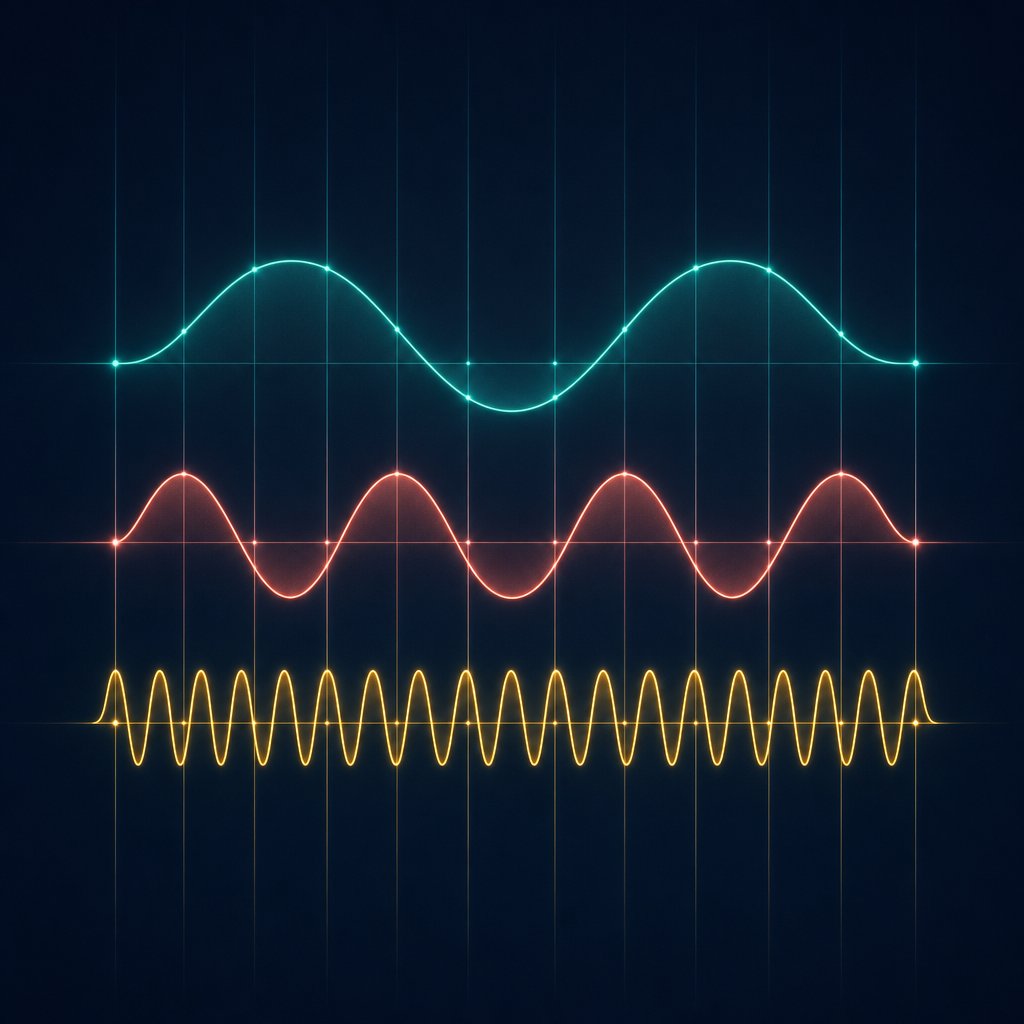
That hidden layer comes down to one concept every producer and DJ understands intuitively but rarely sees explained clearly: rhythmic subdivision. A track's BPM tells you how fast the pulse moves. Subdivision tells you how the space between those pulses gets filled, and that's where 100 BPM turns into a creative chameleon.
Understanding Half-Time and Double-Time at 100 BPM
Picture a drum pattern at 100 BPM with a snare hitting on beats two and four. That's a standard backbeat, and it feels moderate and groovy. Now move that snare so it only lands on beat three of every two-bar phrase, effectively halving the rhythmic emphasis. The tempo hasn't changed, the metronome still reads 100, but the track suddenly feels like 50 BPM. This is half-time, and it's the backbone of trap music, downtempo, and plenty of cinematic scoring. The kick and bass stretch out, the groove gets heavy and spacious, and everything breathes.
Flip it the other way. Layer double-time hi-hats, rapid snare rolls, or breakbeat patterns over that same 100 BPM grid, and the track starts to feel like 200 BPM. Drum and bass remixes, fast punk, and certain footwork styles all use this trick. The underlying pulse stays locked at 100, but the perceived energy doubles. If you've ever wondered why The Offspring's "The Kids Aren't Alright" feels so much faster than its 100 BPM label suggests, double-time drumming is the answer.
A single 100 BPM track can feel relaxed or intense depending entirely on rhythmic subdivision.
This flexibility is exactly why 100 BPM shows up across so many genres. Producers aren't locked into one feel. They can write a laid-back half-time groove and an aggressive double-time banger at the same tempo, and both tracks will sit comfortably in the same project file or playlist. Few other tempos offer that kind of range. A track at 146 bpm, for example, already feels fast on its own, leaving less room to push the perceived energy higher through subdivision alone.
DJ Mixing and Tempo Transitions Around 100 BPM
For DJs, this half-time and double-time relationship isn't just theory. It's a practical mixing tool. A half-time transition lets you beatmatch a 100 BPM hip-hop track with a 50 BPM ambient piece by aligning one bar of the slower track to two bars of the faster one. The beats lock together mathematically, and the transition feels smooth rather than jarring. The same logic works in reverse: you can jump from 100 BPM straight into a 200 BPM drum and bass track using a double-time switch-up, where two bars of the faster track equal one bar of the slower one.
Beyond those clean mathematical relationships, 100 BPM also pitches up comfortably toward 105 to 110 without audible distortion or unnatural vocal artifacts, especially with key lock enabled. That 5 to 10 percent range opens the door to blending with indie rock, uptempo pop, and the lower end of house music. Finding songs with the same bpm or within a tight compatible range is essential for smooth DJ transitions, and 100 BPM gives you an unusually wide net of options.
Here's a quick look at which adjacent tempos blend naturally with a 100 BPM anchor track:
- 50 BPM (half-time): ambient, lo-fi, downtempo
- 95-105 BPM (tight range): hip-hop, pop, R&B, indie rock
- 105-110 BPM (pitch-up zone): uptempo pop, dancehall, light house
- 200 BPM (double-time): drum and bass, fast punk, breakcore
Grouping tracks by these compatible tempos helps you build cohesive sets that flow between genres without trainwrecking the mix. If you want to find the bpm of a song before adding it to your crate, even a simple tap-tempo tool will get you close enough to know whether it fits the 100 BPM family. And that question, how to actually identify a track's tempo, is worth its own breakdown.
How to Find the BPM of Any Song
Knowing a track's tempo is the starting point for everything discussed so far, from building playlists to DJ mixing to syncing music with your workout pace. So how do you actually figure out what bpm is this song playing at? The methods range from dead simple to studio-grade precise, and the right choice depends on how much accuracy you need.
Here's a rundown from easiest to most exact:
- Tap tempo — Tap along to the beat on a free website or metronome app, and it calculates BPM in real time.
- BPM lookup databases — Search by song title on sites like SongBPM or GetSongBPM to pull a stored tempo value instantly.
- DAW-based detection — Import the audio file into a digital audio workstation and let its analysis engine detect the tempo automatically.
- Stem separation and ear verification — Isolate individual elements like drums or bass to hear the rhythmic pulse more clearly, then confirm the tempo manually or with software.
Manual Tap-Tempo and Free Online Tools
The fastest way to find the bpm of a song is to tap along with it. Open any free tap-tempo tool in your browser, hit a key or click in time with the beat, and the tool averages your taps into a BPM reading. For the most stable result, tap for at least 16 to 32 beats so the average smooths out any human timing drift. It's not lab-grade precision, but it gets you within a beat or two of the real value, which is close enough for playlist building or casual mixing.
If tapping feels imprecise, BPM lookup databases let you skip the manual work entirely. Type in a song title, and the database returns a stored tempo value pulled from audio analysis. These are great for quick checks, but keep in mind that values from different sources can vary by plus or minus 1 to 2 BPM. One database might list a bpm song at 100 while another reads it at 101. That discrepancy comes down to differences in analysis algorithms and where in the track the measurement was taken. For general listening or fitness playlists, either value works fine. For DJ beatmatching, you'll want to verify with a more precise method.
Using Audio Tools for Precise BPM Detection
When accuracy matters, software-based detection is the way to go. DAWs like Ableton Live, FL Studio, and Logic Pro all include built-in tempo analysis. In Ableton, dropping an audio file into a track triggers the Warp engine, which detects transients and displays the tempo in the Clip View. FL Studio offers a dedicated "Detect Tempo" function that analyzes the waveform and suggests a BPM range. These tools give you visual feedback too, you can see whether the waveform's kick and snare hits line up with the beat grid, which makes it easy to spot if the detection is slightly off.
For users who want to go a step further, isolating specific elements of a track can make the rhythmic pulse much easier to hear and verify. MakeBestMusic's Vocal Remover lets you separate stems, pulling apart vocals, drums, and bass into individual layers. Once you've isolated the drum track, confirming the tempo by ear or with a tap-tempo tool becomes straightforward. The tool also lets you adjust audio speed and pitch independently, which is practical when you want to practice a song at a target tempo or slow down high bpm songs to study their rhythmic patterns without shifting the key.
One source that used to make BPM discovery effortless was Spotify's Audio Features API, which exposed tempo, key, and other track data to third-party apps. Developers built BPM-based playlist generators and workout tools on top of it. However, Spotify removed those audio analysis endpoints in late 2024, and further API restrictions in early 2026 effectively shut down most third-party BPM tools that relied on that data. The takeaway: don't count on streaming platform APIs for tempo data anymore. Standalone tools and DAW-based analysis are more reliable long-term options for anyone who regularly needs to how to find bpm of a song with confidence.
With the right method in hand, identifying a track's tempo takes seconds rather than guesswork. That precision becomes especially valuable when you're working beyond a single tempo and building playlists that span a range, which is exactly where the 100 to 120 BPM sweet spot comes into play.
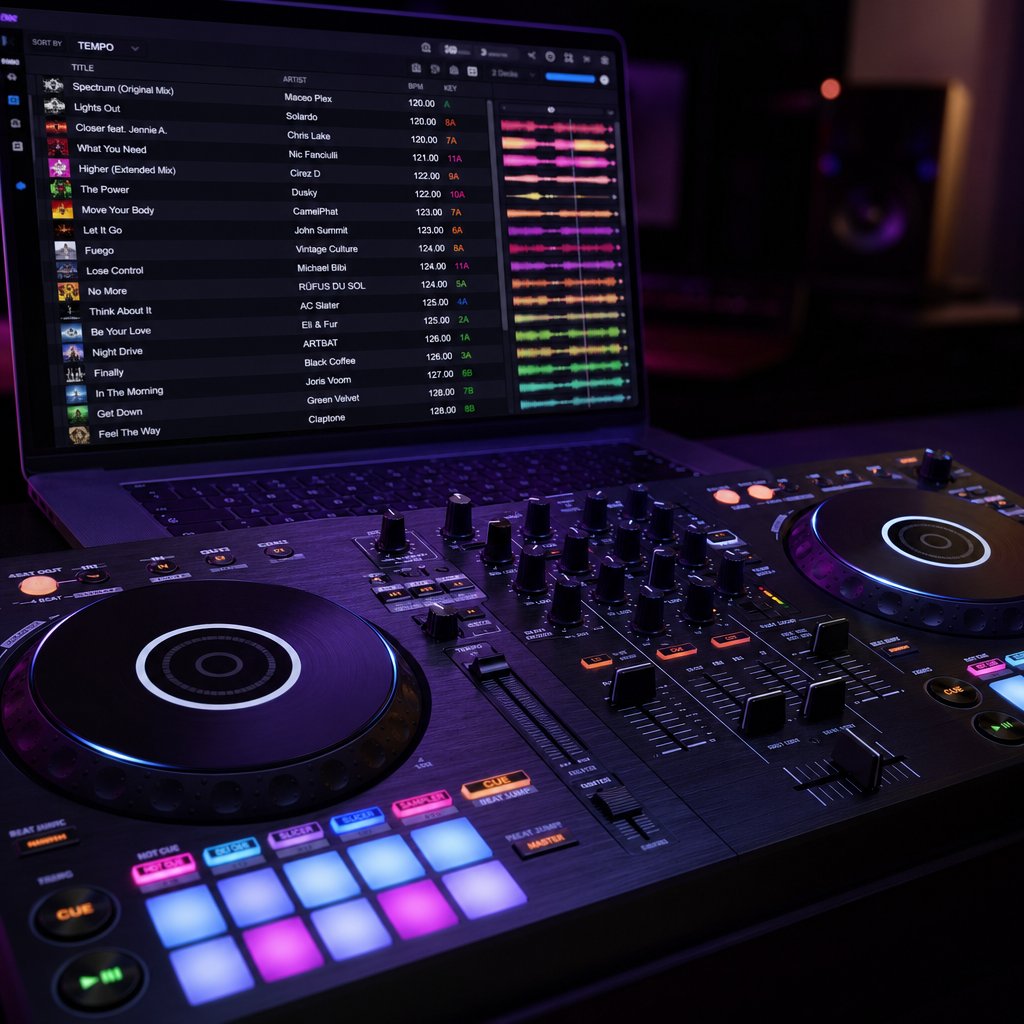
Exploring the 100 to 120 BPM Sweet Spot for Playlists and Sets
Locking into exactly 100 BPM is great for precision, but most real-world use cases, workout playlists, DJ sets, background music for a dinner party, work better with a range. The 100 to 120 BPM window is one of the most functional tempo brackets in music because it covers a full energy arc: moderate and grounded at the low end, bright and danceable at the top. Fitness platforms and streaming curators build entire libraries around this span, yet they rarely explain what's actually happening musically as the tempo climbs.
What the 100 to 120 BPM Range Covers
At 100 BPM, you're in brisk-walking territory. By 120, you've arrived at the foundational pulse of house music and mainstream dance-pop. That 20 BPM gap might sound small, but it represents a meaningful shift in energy and genre character. A track at 105 BPM still feels relaxed and groove-driven, perfect for laid-back pop or mid-tempo funk. Push up to 110-115 and you're in the zone where afrobeats, amapiano, and ska naturally live, genres built on polyrhythmic percussion and uptempo offbeat patterns. By 120, the four-on-the-floor kick drum takes over and you're squarely in dance music territory.
Here are the genre clusters that naturally fall within this window:
- Mainstream pop and dance-pop (100-120 BPM, with the bulk sitting around 110-120)
- Indie rock and alternative (105-118 BPM, often with driving guitar rhythms)
- Afrobeats and amapiano (100-120 BPM, polyrhythmic and percussion-heavy)
- Funk and disco (95-120 BPM, groove-dependent with emphasis on the pocket)
- House music foundations (118-130 BPM, with the lower edge overlapping this range)
- Uptempo hip-hop and dancehall (100-110 BPM, bridging rap energy with dance rhythms)
What's useful about this breakdown is how it reveals tempo neighborhoods. Songs with 104 bpm sit closer to hip-hop and R&B energy. 105 bpm songs start leaning into pop and funk. By the time you reach 114 bpm songs and 115 bpm songs, you're in solidly upbeat territory where indie rock and uptempo pop dominate. Each five-BPM increment shifts the vibe more than you'd expect on paper.
Building Playlists in the 100 to 120 BPM Range
The simplest approach for a workout playlist is a tempo ramp. Start your session with tracks around 100 BPM for the warm-up, then gradually increase through 105, 110, and 115 as intensity builds. By the time you hit 120 BPM, you're at peak cardio energy. Fitness music research supports this kind of intentional flow: a well-designed playlist that moves through tempo phases keeps energy climbing naturally, matching the body's progression from warm-up through peak effort.
For DJs, the strategy is different. Rather than ramping linearly, you might hold a tight 100-105 BPM window for a hip-hop or R&B block, then use a transition track to jump into a 115-120 BPM pop or house segment. That jump feels dramatic to the crowd but stays within a range where pitch-shifting artifacts are minimal. Songs with 104 bpm make excellent bridge tracks for these transitions because they sit right at the boundary between laid-back and energetic.
If you're curating a mood-based playlist rather than a workout or set, keeping the range narrow works best. A 100-105 BPM playlist feels cohesive and chill. A 115-120 BPM playlist feels consistently upbeat. Mixing 80 bpm songs into a 100-120 range playlist, on the other hand, creates a jarring dip that breaks the flow unless you're deliberately building a slow interlude. The tighter your tempo window, the smoother the listening experience.
One practical tip: rock songs at 120 BPM are especially common and make strong playlist anchors. That tempo is a natural home for driving, four-on-the-floor rock rhythms, and tracks at that speed tend to have high energy without feeling rushed. Use them as anchor points and fill in around them with pop, electronic, or indie picks at nearby tempos.
Building a playlist is one thing. Practicing, remixing, and actually working with these tracks at a hands-on level opens up even more possibilities, especially when you have the right tools to manipulate tempo and isolate parts.
Practicing, Remixing, and Building Your Perfect 100 BPM Playlist
Playlists and DJ sets are built for audiences. But what about your own hands-on work with music? Whether you're a guitarist learning a tricky riff, a vocalist nailing phrasing on a cover, or a bedroom producer sketching out remix ideas, 100 BPM is one of the most practical tempos to work at. It's fast enough to preserve the musical feel of a piece but slow enough to let your fingers, voice, or creative instincts catch up with the material.
Practicing Instruments and Vocals at 100 BPM
Music teachers have used metronomes for centuries, and the advice hasn't changed much: start slow, build accuracy, then increase speed. What has changed is the toolset. Instead of practicing scales over a dry click track, you can now slow an actual recording down to your target tempo and play along with the real arrangement. Imagine working through a complex guitar solo from a track that normally sits at 130 BPM. Pulling it down to 100 lets you hear every note clearly, internalize the phrasing, and build muscle memory before ramping back up to full speed.
The same logic works in reverse. If you're learning a ballad or a downtempo piece, like songs at 75 bpm, speeding it up to 100 BPM can sharpen your timing and expose sloppy transitions that the slower tempo was hiding. Practicing at a tempo slightly outside a song's native speed forces your brain to engage more actively with the rhythm rather than coasting on familiarity.
The catch is that changing a song's speed usually changes its pitch too, turning vocals into chipmunk squeaks or baritone rumbles. That's where tools with independent speed and pitch control become essential. MakeBestMusic's Vocal Remover handles both problems at once: it lets you adjust audio speed without shifting pitch, and it separates stems so you can isolate the vocal, drum, or bass track you want to practice against. Want to learn a bass line without the guitar and vocals cluttering your ears? Pull out the bass stem, set it to 100 BPM, and loop the tricky section until it's locked in. That kind of focused, tempo-controlled practice used to require expensive studio software. Browser-based tools have made it accessible to anyone with a laptop.
Vocalists benefit from the same workflow. Isolating a vocal stem lets you study a singer's phrasing, breath placement, and melodic choices without competing instrumentation. Slowing the tempo down to 100 BPM on a track that normally runs at 108 bpm songs' typical pace gives you time to match each note precisely before building back to performance speed. It's the musical equivalent of watching game film in slow motion.
Creating Your Own 100 BPM Playlist
Everything covered in this guide, genre breakdowns, curated picks, fitness mapping, half-time and double-time theory, and BPM detection methods, feeds into one practical outcome: building a playlist that actually works for your specific needs. A DJ's 100 BPM crate looks different from a runner's warm-up mix, which looks different from a producer's reference playlist. The process, though, follows the same steps regardless of your goal.
Here's a quick-reference checklist for assembling your own personalized playlist:
- Verify tempo before adding any track. Use a tap-tempo tool, a BPM database, or DAW analysis to confirm the value. Don't trust playlist labels blindly, as databases can disagree by 1-2 BPM.
- Organize by genre or activity first, tempo second. A hip-hop block at 100 BPM flows better than randomly alternating between rap, rock, and electronic tracks at the same speed.
- Use the 100-120 BPM range for variety. If your playlist needs an energy arc, start at 100 and ramp toward 120. Songs 115 bpm and songs with bpm of 120 give you natural peak-energy anchors to build toward.
- Experiment with half-time and double-time tracks. A 50 BPM ambient piece or a 200 BPM drum and bass track can add surprise and contrast while staying mathematically compatible with your 100 BPM core.
- Test the playlist in context. Walk to it, mix with it, or practice over it. A playlist that looks good on paper can still feel off in real use. Adjust sequencing based on how transitions actually sound.
- Revisit and refresh regularly. Tempo bucket playlists, a concept popularized by the Indoor Cycling Association for fitness instructors, work best as living collections. Add new discoveries, remove tracks that feel stale, and keep the playlist evolving.
If you're a producer or remix hobbyist, the playlist doubles as a reference library. Studying how different artists handle the same tempo sharpens your ear for groove, arrangement, and rhythmic subdivision. Pull stems from your favorite 100 BPM tracks, layer them against your own beats, and experiment with flipping a laid-back hip-hop groove into a double-time electronic sketch. Tools that separate and tempo-shift audio, like MakeBestMusic's stem separation and speed control features, turn passive listening into active creative work.
For fitness-focused listeners, the same playlist structure scales easily. Keep a core block of 95 bpm songs and 100 BPM tracks for warm-ups and walking, then build a secondary block of 105 beats per minute songs through 120 BPM picks for higher-intensity phases. That two-tier approach gives you a complete workout soundtrack from a single, well-organized collection.
The throughline across every use case is the same: 100 BPM isn't just a number on a metronome. It's a creative and practical anchor point that connects genres, activities, and workflows in ways no other tempo quite matches. Whether you're curating, practicing, mixing, or moving, this tempo gives you a foundation flexible enough to build anything on top of.
