

Why Reddit Outranks Every AI Music Review Site
Search for "ai music generator reddit" and you'll find something unusual: real people arguing, testing, and tearing apart tools with zero incentive to sugarcoat anything. No affiliate links buried in the text. No "we ranked ourselves #1" blog posts masquerading as editorial content. Just musicians, hobbyists, content creators, and curious tinkerers sharing what actually works and what spectacularly doesn't.
That raw honesty is exactly why Reddit has become the default destination for anyone trying to choose an AI music tool. Traditional review sites have a credibility problem. Many of the top-ranking articles about AI music generators are published by the tools themselves or by sites collecting affiliate commissions on every click. You'll read glowing praise, conveniently placed sign-up buttons, and almost nothing about the frustrating limitations that surface after the first hour of use. Reddit flips that script entirely.
Why Reddit Is the Best Place for AI Music Tool Reviews
Reddit's anti-marketing culture is baked into its DNA. Communities self-police aggressively. Drop a thinly veiled promotional post in any serious subreddit and watch it get downvoted into oblivion within minutes. That filtering mechanism means the recommendations that survive and rise to the top have earned their place through genuine user consensus, not paid placement.
Research from Website Builder Expert confirms what most internet-savvy users already sense: Reddit is the most trusted platform for product recommendations, with over 40% of prospective buyers favoring its conversational, unfiltered style over the sponsored content dominating other channels. Users enter Reddit searching for answers to real problems rather than browsing a polished feed, which makes them open to nuanced, honest opinions. When someone on r/AIMusic says a tool produces "impressive demos but falls apart on anything longer than 90 seconds," that carries more weight than a five-star rating on a vendor's landing page.
This matters especially for top ai music tools, where the gap between marketing claims and real-world output can be enormous. A tool might showcase a cherry-picked 30-second clip that sounds studio-quality, but Reddit threads will tell you about the 15 failed generations it took to get there.
How This Guide Was Built From Real Threads
This article isn't another reshuffled listicle. It synthesizes community sentiment from multiple active subreddits, including r/AIMusic, r/SunoAI, r/udiomusic, and r/WeAreTheMusicMakers, filtering for patterns that appear across dozens of threads rather than cherry-picking a single enthusiastic comment. Where users genuinely disagree, you'll see that disagreement reflected honestly instead of smoothed over with a diplomatic "both are great!"
The methodology is straightforward: aggregate recurring praise and criticism, note where consensus is strong, flag where it fractures, and always prioritize insights from users who describe their actual workflows over those posting one-line hot takes. Think of it as a peer-reviewed survey of the best ai music generator reddit discussions, distilled into something you can actually act on.
Stop trusting listicles written by the tools themselves. Check the subreddits. That's where people tell you what broke, what wasted their credits, and what they actually kept using after the novelty wore off.
That sentiment, echoed in various forms across hundreds of ai music reddit threads, captures exactly why this guide exists. The landscape of top ai music generators shifts fast, and the only reviews keeping pace are the ones written by people with nothing to sell you.
Of course, knowing Reddit is the right place to look is only half the equation. The real challenge is knowing exactly where to look and how to cut through the noise. Not every subreddit covers the same ground, and not every upvoted comment aged well.
Where AI Music Conversations Actually Happen on Reddit
Reddit isn't one big room. It's thousands of smaller rooms, each with its own crowd, its own rules, and its own tolerance for AI-generated content. Post your latest ai song generator reddit find in the wrong subreddit and you'll either get ignored, downvoted, or outright banned. Post it in the right one and you'll get detailed feedback, workflow suggestions, and blunt criticism you didn't know you needed.
Knowing which communities to follow — and which to avoid — saves you hours of scrolling through irrelevant threads. Here's a practical map of the subreddits where AI music generation is actually being discussed in meaningful ways.
The Essential Subreddits for AI Music Discussion
Each of these communities serves a different slice of the AI music conversation. Some are tool-specific. Some are genre-focused. Some will ban you for even mentioning AI. Understanding the differences before you post or search is crucial.
- r/SunoAI (80,000+ members) — The largest dedicated AI music subreddit and the single most active hub for prompt engineering tips, troubleshooting, and track sharing. Users here are daily generators who've burned through credits testing every edge case imaginable. You'll find detailed breakdowns of what prompt structures work, vocal workarounds, and honest comparisons with competing platforms. If you're looking for the reddit best ai music generator discussion specific to Suno, this is ground zero. One rule worth noting: track shares are limited to one per 24 hours, which keeps the feed from turning into a pure showcase board.
- r/udiomusic (12,000+ members) — The primary Udio community after the smaller r/udio went inactive. Discussions lean toward technical troubleshooting, stem separation techniques, and platform update reactions. The crowd here tends to be slightly more production-savvy, often comparing Udio's output quality against Suno in side-by-side tests.
- r/AI_Music (14,600+ members) — The best cross-platform community for comparing tools without a single-product bias. Expect threads covering emerging AI music technology, ethical debates, and workflow tips that span multiple generators. Music sharing gets directed to a pinned megathread, keeping the main feed focused on discussion rather than self-promotion.
- r/aiMusic (9,700+ members) — A smaller, more general community for broad AI music tool discussion. Less traffic than r/AI_Music but occasionally surfaces useful threads about niche tools that fly under the radar elsewhere. Self-promotion goes in a dedicated megathread.
- r/riffusion (8,000+ members) — Focused on Riffusion and Producer.ai users. If you're exploring open-source or diffusion-based music generation, this is where the conversation lives. Songs go in a weekly thread, which helps maintain signal-to-noise ratio.
- r/edmproduction (795,000+ members) — Not an AI-first community, but AI discussion appears in context. Electronic music producers here talk about integrating AI into existing DAW workflows. Personal tracks must go in the Daily Feedback thread, and the community stance on AI is neutral rather than hostile.
One critical warning: r/WeAreTheMusicMakers, despite having 3.8 million members, explicitly bans all AI content. Their rules are blunt — post anything AI-related and you will be banned. This catches newcomers off guard regularly because the subreddit's size makes it look like the obvious place to ask questions. It isn't. Not for AI music.
Wondering whether a tool like Tempo AI is worth your money? Searching "is tempo ai worth it reddit" will likely surface threads in r/AI_Music or r/SunoAI where users compare it against the bigger players. These smaller, tool-specific questions are exactly the kind of thing Reddit excels at answering because someone has almost certainly already tested it, burned the credits, and reported back.
How to Search Reddit Effectively for Tool Recommendations
Finding the right community is step one. Extracting useful information from it is step two — and Reddit's native search, while improved, still isn't great at surfacing the best threads. A few simple techniques make the difference between a frustrating scroll and an instant answer.
Use Google's site search instead of Reddit's search bar. Type site:reddit.com ai music generator into Google and you'll get dramatically better results than Reddit's own search function. As How-To Geek explains, restricting your query to just reddit.com filters out the thousands of non-Reddit pages that mention the platform in passing. You can narrow it further by targeting a specific subreddit — for example, site:reddit.com/r/SunoAI best vocal prompts will only return results from that community.
Beyond the site search trick, a few habits separate casual browsers from effective researchers:
- Sort by "Top" and filter by recent timeframes. AI music tools evolve fast. A glowing review from early 2024 might describe a version that no longer exists. Filter to the last six months for the most relevant takes.
- Read the comment threads, not just the top-level post. The most nuanced opinions almost always live in the replies. A post titled "Suno is incredible" might have a top comment explaining exactly why that assessment is premature — and that comment often contains the real insight.
- Look for patterns across multiple threads. A single enthusiastic post proves nothing. The same praise or complaint appearing across five or ten separate threads from different users signals genuine consensus.
- Use Boolean operators for precision. Searching
site:reddit.com (Suno OR Udio) AND "vocal quality"lets you compare how different communities talk about a specific feature across tools.
These search strategies work especially well for questions that don't have clean, listicle-friendly answers — things like "which tool handles jazz vocals best" or "has anyone actually used AI-generated music commercially without issues." Reddit threads capture the messy, real-world detail that polished articles leave out.
With the right communities bookmarked and the right search habits in place, the next question becomes obvious: which tools are these communities actually talking about, and what's the unfiltered verdict on each one?
Every AI Music Generator Reddit Users Actually Recommend
Across r/SunoAI, r/udiomusic, and r/AI_Music, certain tools dominate the conversation while others barely register. Some get praised relentlessly. Some get trashed with the kind of brutal honesty only anonymous internet users can deliver. And a few sit in that awkward middle ground where half the community swears by them and the other half wonders what everyone else is hearing.
Rather than cherry-pick three tools and call it a day, here's a comprehensive breakdown of every best ai music generator that Reddit communities consistently discuss, argue about, and recommend. Think of this as your top 10 ai music generator shortlist, built entirely from community consensus rather than vendor marketing.
The AI Music Generators Reddit Talks About Most
The table below distills hundreds of threads into a single reference. Each tool's sentiment summary reflects what users actually say — not what the company's landing page claims.
| Tool Name | Reddit Sentiment Summary | Best Use Case | Notable Limitation |
|---|---|---|---|
| MakeBestMusic | Gaining traction among creators who want a streamlined prompt-to-song workflow without deep production knowledge. Users highlight the simplicity of converting text prompts, lyrics, and style descriptions into complete tracks. | Quick, full-song generation from prompts and lyrics for content teams and marketers | Newer entrant with a smaller community footprint compared to Suno and Udio |
| Suno | The most discussed tool overall. Users love the speed and full-song output including vocals. The v5 model earned genuine praise for improved lyric coherence. Criticism centers on the credit system, monthly expiration, and a "slot machine" regeneration loop when output isn't quite right. | Fast, complete songs with vocals and lyrics from a single prompt | Credits expire monthly with no rollover. Commercial rights only apply while actively subscribed. Editing and stem export locked behind paid tiers. |
| Udio | Considered Suno's closest rival. Reddit users who prefer more deliberate song development gravitate here. The inpainting feature — letting you fix specific sections without regenerating the whole track — gets frequent praise. Instrumental clarity often cited as superior to Suno. | Production-oriented workflows with timeline editing and stem separation | Steeper learning curve. Downloads were temporarily disabled during a licensing transition — verify current status before subscribing. |
| AIVA | The go-to recommendation for classical, orchestral, and cinematic compositions. Users appreciate the ability to export MIDI and sheet music. Seen as more of a composition assistant than a prompt-and-go generator. | Cinematic scores, classical pieces, and film-style soundtracks | Instrumental only — no vocals or lyrics. More complex interface than simpler tools. |
| Soundraw | Appears in threads about royalty-free background music for video creators. Users like the customization sliders but note that output can feel formulaic and lacks the "wow factor" of full-song generators. | Customizable background music for content creators | Feels templated. Limited genre range compared to prompt-based tools. |
| Boomy | Praised for absurd simplicity — pick a style, click a button, get a song. The ability to distribute to Spotify is frequently mentioned as a unique perk. Criticism focuses on generic-sounding output and limited customization. | Zero-effort song creation with streaming distribution | Free users can't download songs. Many tracks sound interchangeable. |
| Mubert | Occupies a unique niche: real-time, continuously generated music that adapts to mood and energy. Streamers and app developers discuss it most. Less common in songwriting conversations. | Live streaming, adaptive background audio, and ambient soundscapes | No vocals. Limited compositional control. Free version adds a watermark. |
| Stable Audio | Draws interest from the open-source and self-hosted crowd. Threads in r/AI_Music and r/StableDiffusion discuss local deployment and model fine-tuning. Quality praised for atmospheric and ambient generation, less so for structured songs. | Open-source experimentation, ambient textures, and local deployment | Requires more technical setup. Structured song output lags behind Suno and Udio. |
| MusicFX (Google) | Google's entry gets mentioned occasionally, mostly as a free experimentation tool. Users note decent quality for short clips but limited length and control. Often discussed as a casual novelty rather than a production tool. | Quick, free experimentation with short musical clips | Extremely limited track length and editing control. Not viable for full songs. |
You'll notice a few tools conspicuously absent from the heavy-hitter discussions. Platforms like meloty.ai surface in occasional threads but haven't built the sustained community engagement that Suno and Udio command. Similarly, users searching for a musicgpt alternative frequently land on Suno or Udio as the recommended pivots, since both offer more robust generation capabilities and larger user bases for troubleshooting support.
Reddit's Shifting Favorites Over Time
Community preferences aren't static, and following the best ai music generators discussion over months reveals clear patterns. Early 2024 saw explosive enthusiasm for Suno's initial releases — threads overflowed with "this changes everything" energy. By mid-2024, that enthusiasm tempered as users hit the walls: repetitive structures, awkward vocal artifacts, and the frustrating credit-burn cycle of regenerating until something clicked.
Udio's rise tracked a similar arc but attracted a slightly different crowd. Where Suno users valued speed and instant gratification, Udio's audience leaned toward producers who wanted the inpainting and timeline tools to refine output rather than just roll the dice again. The Suno-vs-Udio debate became one of the most reliably recurring threads across every AI music subreddit, with neither side claiming a definitive victory.
Looking at the top ai music generators 2025 discussions, a notable shift emerged: users started caring less about which tool produced the single best track and more about which tool offered the most consistent, controllable workflow. That maturation in community expectations opened the door for newer platforms. MakeBestMusic, for example, gained traction specifically among creators and marketing teams who valued a direct prompt-to-finished-song pipeline — type your lyrics, describe a style, and get a complete track without needing to learn timeline editing or stem separation. For users whose goal is a finished product rather than a production playground, that streamlined approach solves a real pain point.
The broader lesson from Reddit's evolving sentiment is practical: the best ai music generator 2025 isn't the one with the most impressive single demo. It's the one that reliably delivers usable output for your specific workflow, whether that's quick content creation, detailed production, or something in between. Reddit's collective wisdom keeps reinforcing this point — no single tool wins everywhere, and the smartest approach is matching the tool to the job.
That matching process gets even more interesting when you zoom into specific genres. A tool that dominates electronic music discussions might barely register in threads about orchestral scoring, and the community's genre-specific preferences reveal a far more nuanced picture than any top-level ranking can capture.
Which Tools Reddit Prefers for Each Music Genre
A tool that sounds incredible generating a lo-fi ambient loop might completely fall apart when you ask it for a metal guitar riff. Reddit users figured this out the hard way — and documented every success and failure in painstaking detail. Genre matters enormously when choosing the best ai for music generation, yet almost no review site breaks recommendations down by style. The communities do.
Across r/SunoAI, r/udiomusic, and r/AI_Music, genre-specific threads reveal a picture that no single "best tool" ranking can capture. Certain generators dominate in electronic production but stumble on acoustic instruments. Others nail orchestral arrangements but can't produce a convincing rap verse. Here's what Reddit users actually report when they push these tools into specific musical territory.
Electronic and EDM Production
Electronic music is arguably where AI generators perform best — and Reddit agrees. The synthetic nature of EDM, house, techno, and ambient genres means AI-generated output doesn't need to mimic acoustic instruments convincingly. It just needs to sound good. That's a lower bar, and several tools clear it consistently.
Suno gets frequent mentions for producing catchy, polished electronic tracks with surprisingly effective builds and drops. Users on r/SunoAI report that prompts specifying subgenres like "deep house" or "synthwave" yield the most reliable results. The consensus weakness? Loop quality over longer tracks. Several threads describe electronic outputs that sound fantastic for the first minute, then start recycling the same patterns with minor variations — a frustrating ceiling for anyone trying to generate a full DJ-ready set.
Mubert carves out a distinct niche here. Its real-time, adaptive generation appeals to streamers and app developers who need continuous electronic soundscapes without hard cuts. For ambient, lo-fi, and chillout subgenres, Reddit discussion positions Mubert as a strong option, though it lacks the structured song composition that Suno and Udio offer.
Stable Audio also gets positive mentions in electronic and ambient threads, particularly from the open-source crowd on r/StableDiffusion who value local deployment and model fine-tuning. The sound design is praised for atmospheric textures, though structured song output still trails the commercial platforms.
Hip-Hop Beats and Vocal Tracks
Hip-hop is where the conversation gets heated. AI-generated rap sparks genuine debate across every major subreddit because the genre demands three things that current tools struggle with simultaneously: tight beat originality, natural vocal flow, and convincing lyrical delivery.
Suno handles hip-hop beats reasonably well — users report decent trap, boom-bap, and lo-fi hip-hop instrumentals. The real friction point is vocals. Multiple threads describe AI-generated rap verses that sound technically competent but lack the rhythmic nuance, emphasis, and breath patterns that make human delivery compelling. The flow often feels slightly robotic, like someone reading lyrics rather than performing them.
Udio enters the hip-hop discussion as the preferred option for instrumental clarity. r/udiomusic threads suggest its output handles complex drum programming and bass design with more separation between elements. For beat-makers who plan to record their own vocals over AI-generated instrumentals, Udio's stem separation feature becomes a practical advantage.
Users searching for the best free ai voice generator reddit discussions around hip-hop vocals will find a recurring theme: no current tool fully nails rap delivery. The gap between AI-generated singing (which has improved dramatically) and AI-generated rapping (which still sounds uncanny) is a consistent complaint. Many creators compromise by using AI for beats and recording their own vocals on top — a hybrid workflow Reddit frequently recommends as the most practical solution for hip-hop production.
Classical, Orchestral, and Cinematic Scores
Imagine you need a sweeping cinematic score for a short film or a classical piece for a podcast intro. Which tool does Reddit point you toward? The answer is surprisingly clear: AIVA stands apart in this category.
AIVA's ability to generate full orchestral arrangements with MIDI and sheet music export earns it consistent praise in threads about classical and film-score composition. Users on r/AI_Music describe it as the best ai song maker for anyone who needs structured, longer-form pieces with proper instrumentation — strings, brass, woodwinds, and percussion arranged with genuine compositional logic rather than the vaguely cinematic wallpaper that other tools produce.
The trade-off is significant, though. AIVA is instrumental only. No vocals, no lyrics. And its interface requires more deliberate input than a simple text prompt. You're working closer to a composition assistant than a "type and generate" tool.
Suno handles cinematic prompts passably for shorter pieces, and several Reddit users report success with prompts like "epic orchestral trailer music" or "dark ambient cinematic score." The limitation surfaces with duration and structural complexity — orchestral pieces that need to develop themes over several minutes tend to meander or repeat rather than build with intentional dramatic arc. Udio faces similar constraints, though its inpainting feature lets users fix specific weak sections without regenerating the entire composition.
Soundraw also appears in this category, particularly for users who need customizable orchestral background music for video content. The slider-based controls give more predictability than prompt-based tools, though Reddit users note the output often lacks emotional depth — functional but not moving.
Rock, Pop, and Singer-Songwriter Styles
Guitar-driven and vocal-centric genres present a unique challenge: they demand realistic instrument tone and emotionally convincing singing. AI tools have made remarkable progress on both fronts, but Reddit threads reveal the seams more clearly here than in any other genre category.
Suno dominates the pop and singer-songwriter discussion. Its vocal generation — particularly in pop, indie, and folk styles — receives the most consistent praise across all genres. Users describe outputs that genuinely sound like complete songs with verse-chorus structure, melodic hooks, and vocal performances that occasionally surprise even skeptical musicians. The v5 model drew specific praise for improved lyric coherence and more natural phrasing in ballad-style delivery.
Rock is a tougher sell. Electric guitar tone is notoriously hard to synthesize convincingly, and Reddit users notice. Threads about AI-generated rock frequently mention guitars that sound "plastic," "overly compressed," or like "a MIDI guitar patch from 2005." Distorted tones fare slightly better than clean tones, but the dynamic range and expressiveness of a real guitarist remains out of reach. One r/SunoAI user described it well: "It can fake a power chord progression, but it can't fake the attitude behind it."
For the best ai for generating music in these vocal-heavy genres, the practical advice from Reddit is consistent: lean into the styles that AI handles best (pop, folk, indie, soft rock) and temper expectations for hard rock, punk, and metal, where instrumental authenticity matters most.
Quick-Reference: Genre-to-Tool Matching
Based on aggregated Reddit sentiment, here's a practical cheat sheet for matching your genre needs to the right tool:
- Electronic / EDM / Ambient: Suno (structured tracks), Mubert (real-time adaptive), Stable Audio (atmospheric textures)
- Hip-Hop Beats: Udio (instrumental clarity and stems), Suno (quick full tracks with vocals)
- Classical / Orchestral / Cinematic: AIVA (composition depth and MIDI export), Suno (short cinematic prompts), Soundraw (customizable background scores)
- Pop / Singer-Songwriter / Indie: Suno (strongest vocal generation), MakeBestMusic (streamlined prompt-to-song for non-musicians)
- Rock / Metal: Suno (acceptable for softer styles), Udio (better instrumental separation) — but expect compromises on guitar realism
- Lo-Fi / Chillhop: Suno and Mubert both handle this well, with Mubert excelling at continuous, non-repetitive streams
Keep in mind that these best music ai generators evolve with every model update. A tool that struggled with jazz three months ago might handle it passably today. Reddit's real-time feedback loop is the best way to stay current on genre-specific performance — and the threads are often more granular than any review site will ever be.
Genre performance tells you a lot about a tool's strengths, but it only tells part of the story. Even the top-performing generators in their best genres still hit walls that frustrate experienced users — and those limitations deserve the same honest treatment Reddit gives everything else.
Honest Limitations Reddit Users Warn You About
Every tool listed in the previous section has a highlight reel — a cherry-picked demo track that sounds genuinely impressive. Reddit users will be the first to acknowledge that. They'll also be the first to tell you that the highlight reel is lying by omission. The gap between a tool's best possible output and its average output is where the real frustration lives, and the communities document that gap relentlessly.
If you're evaluating the best ai tools for music creation, the limitations matter just as much as the capabilities. Here's what Reddit keeps flagging — and where the community's own biases might be leading you slightly astray.
The Quality Ceiling Problem
Listen to an AI-generated track once, casually, and you might think the technology has already arrived. Listen again with headphones, paying attention to transitions, vocal phrasing, and structural development, and the cracks appear fast. This "impressive on first listen, disappointing on the third" phenomenon is the most consistent complaint across every AI music subreddit.
Reddit musicians describe a persistent quality ceiling that affects even the best music generation ai tools available. Tracks tend to follow predictable structural formulas — verse, chorus, verse, chorus, bridge, chorus — without the subtle variations that make human arrangements feel alive. Transitions between sections often feel abrupt or mechanical, as though the model treats each section as an isolated block rather than part of a continuous musical narrative.
Vocals hit a particularly interesting wall. Singing has improved dramatically — many users admit that AI-generated pop vocals now pass casual listening tests. But expressiveness remains flat. The micro-dynamics of a real vocal performance — breath control, intentional pitch bending, emotional emphasis on specific syllables — are still missing or inconsistent. One recurring r/SunoAI observation captures it perfectly: the AI can sing in tune, but it can't sing with intention.
For producers evaluating the best ai music production workflows, this ceiling means AI output typically works as a starting point rather than a finished product. The closer your standards are to professional release quality, the more post-production work you'll need to do outside the generator — and that's assuming the tool even exports usable stems for editing.
Common Frustrations Reddit Users Report
Beyond the quality ceiling, a handful of practical frustrations show up in thread after thread. These aren't edge cases or isolated complaints — they're the recurring pain points that shape how experienced users interact with every major platform.
- Inconsistent output quality across generations. The same prompt, submitted twice, can produce a genuinely good track and an unusable mess. Users describe a "slot machine" dynamic where you keep pulling the lever, burning credits, hoping the next generation lands. Creator frustration reports confirm this is one of the top reasons users abandon projects — not because the tool can't produce good output, but because the path to good output is unpredictable and expensive in credits.
- Limited control over arrangement and mixing. You can specify a genre, a mood, and sometimes instrumentation. But telling the tool to bring in the drums at bar 8, keep the bass quieter in the verse, or add a key change before the final chorus? That level of arrangement control remains out of reach for most platforms. Even the best ai music editor features within these tools — Udio's inpainting being the notable exception — offer refinement rather than true compositional direction.
- Vocal artifacts and unnatural phrasing. Garbled consonants, weirdly emphasized syllables, and that uncanny "almost human but not quite" quality. Vocal generation has improved enormously, but artifacts still surface unpredictably, especially on faster or more rhythmically complex deliveries.
- Track degradation beyond two minutes. Several Reddit threads document a pattern where AI-generated tracks start strong but lose coherence as they extend past 90 seconds to two minutes. Melodies start repeating, instrumentation thins out, and the structural logic unravels. As industry analysis confirms, none of the current platforms reliably produce stems that integrate cleanly into a professional DAW session for longer-form work.
- The credit-burn regeneration loop. Because output quality is unpredictable, users end up generating far more tracks than they keep. Credits disappear fast — and on platforms like Suno, unused credits expire monthly with no rollover. The psychological effect is real: you're not just spending credits, you're gambling them, and the house always takes its cut.
I've burned through my entire monthly credit allotment chasing one usable chorus. The tool can absolutely produce magic — it just can't produce it on demand.
That sentiment, echoed in various forms across dozens of threads, captures the core tension. The best ai music programs are capable of genuinely impressive output. The problem isn't capability — it's reliability and control.
What Reddit Gets Wrong About AI Music
Honesty cuts both ways. Reddit's critical lens is valuable, but community consensus isn't always calibrated to the current state of the tools. A few areas where the prevailing sentiment may be more pessimistic than the reality deserves:
Vocal synthesis has improved faster than Reddit acknowledges. Threads from even six months ago describe vocal quality issues that newer model versions have partially or fully addressed. Users who tried a tool once, had a bad experience, and posted about it may not have revisited after significant updates. If you're researching the best ai for musicians, test current versions rather than relying on complaints that may reference outdated models.
Professional use cases already exist — they're just not the ones Reddit discusses most. The subreddits skew toward users trying to create finished songs for streaming or personal projects. Meanwhile, AI music tools are quietly becoming standard in workflows that don't require "song-quality" output: podcast background music, social media content, rough demos for client pitches, and rapid prototyping for film and game composers. These use cases don't generate dramatic Reddit threads because they work well enough that there's nothing to complain about.
The "it doesn't sound human" criticism applies unevenly. For genres where synthetic or processed sound is expected — electronic, lo-fi, synthwave, ambient — the uncanny valley complaint barely applies. Reddit's loudest critics tend to be traditional instrumentalists evaluating AI against the standard of a live performance. That's a valid comparison for rock or jazz, but it's the wrong yardstick for a chillhop beat or a cinematic drone texture.
The balanced takeaway? Trust Reddit's frustrations — they're earned and well-documented. But verify them against the current version of whatever tool you're considering. These platforms ship updates constantly, and today's dealbreaker might be next month's solved problem. The best approach for anyone serious about AI music is the same one good producers have always followed: test with your own ears, on your own material, for your own specific workflow.
These practical frustrations are one dimension of the conversation. Beneath the surface-level debates about output quality and credit systems, a far more contentious argument rages across every AI music subreddit — one that touches on copyright law, artistic ownership, and whether any of this is ethical in the first place.
Copyright and Ethics Battles Raging Across Reddit
Output quality and credit systems frustrate users, sure. But nothing sparks a 300-comment thread faster than someone asking: "Do I actually own the song my AI tool just generated?" This question — deceptively simple, legally tangled — sits at the center of the most heated debates in every AI music subreddit. And unlike discussions about vocal artifacts or genre performance, nobody has a clean answer.
The Copyright Question Nobody Has Answered
Here's the blunt legal reality as it stands: courts have reinforced a straightforward rule — no human involvement, no copyright protection. If you hit "generate," download the raw file, and upload it to Spotify without touching it, that track is essentially unprotectable. You can't sue someone for sampling it. You can't claim infringement. In legal terms, a purely AI-generated song belongs to everyone and no one simultaneously.
Reddit threads about this topic split into predictable camps. One faction argues that if you paid for the tool and wrote the prompt, the output should be yours — full stop. Another points out that the prompt is instructions, not authorship, and compares it to telling a session musician what to play without writing the music yourself. A third group doesn't care about the philosophical debate and just wants to know which music ai creator without copyright restrictions reddit users recommend for commercial projects.
That third group — the practical one — drives some of the most useful threads. Users specifically search for tools that offer clear commercial licensing, and the distinction between licensing and ownership trips people up constantly. As copyright analysis explains, paying for a Pro subscription doesn't grant you copyright ownership. It grants you a license — permission to use the output commercially without the platform suing you. That's a permission slip, not a deed. You can monetize the track on streaming platforms, but you don't own the underlying composition in a way that lets you sell publishing rights or pursue infringement claims.
The legal standard that's emerged centers on "meaningful human authorship." You'll see this phrase surface in Reddit's more legally informed threads. If you export stems into a DAW, rewrite lyrics, record your own vocals, rearrange sections, or add live instrumentation, you're building a case for copyright protection. The more your creative fingerprint shapes the final product, the stronger your ownership claim. Users who simply download and distribute raw AI output have no such claim — and platforms are increasingly embedding Content Credentials (C2PA) watermarks in metadata that distributors can detect.
Then there's the training data question, which adds another volatile layer. Every major AI music generator was trained on existing recordings. Whether that training constitutes fair use or copyright infringement is the subject of active litigation. Reddit discussions on this topic range from "all art learns from existing art" to "this is industrial-scale theft from working musicians who never consented." Neither side has won the legal argument definitively, and the uncertainty makes some creators nervous about building a catalog on tools whose legal foundations might shift.
The Ethics Debate Among Musicians
Zoom out from the legal technicalities and you'll find a broader, more personal argument consuming Reddit's music communities. It's not just about who owns what. It's about what AI music means for the people who make music for a living — or who simply make it because they love it.
Professional musicians on subreddits like r/WeAreTheMusicMakers (before AI topics were banned there) and r/AI_Music often frame the technology as a direct threat. Session musicians, composers for hire, and producers who sell beats worry about a race to the bottom. Why would a client pay $500 for a custom track when they can generate something passable for free? That concern isn't hypothetical — threads regularly surface from freelance composers who've already lost gigs to clients using the best ai music creators as cheaper alternatives.
Hobbyists and non-musicians see the same technology through an entirely different lens. For someone who's always had melodies in their head but never learned an instrument, AI generators represent genuine democratization. They can finally hear their ideas realized as actual songs. Reddit threads from this group carry real enthusiasm — people sharing the first complete track they've ever "made," even if "made" means typing a prompt and selecting a style. Dismissing that excitement misses the point: accessibility has always been part of how music evolves.
Between those poles, a pragmatic middle ground has emerged among producers and songwriters who treat AI as a creative tool rather than a replacement. They use generators for rapid ideation — sketching out chord progressions, testing melodic ideas, generating scratch tracks to pitch concepts to collaborators. The AI output isn't the final product; it's the rough draft that sparks the real creative work. This "best ai tool to create music as a starting point" philosophy represents the most sustainable perspective Reddit has collectively arrived at, even if nobody phrases it that neatly.
AI didn't replace my creativity. It replaced the blank page. I still write the song — I just don't stare at an empty DAW for two hours before I start anymore.
That perspective, voiced in various forms across r/SunoAI and r/AI_Music, captures the tension between accessibility and artistic integrity more honestly than any hot take from either extreme. The best ai for writing music isn't necessarily the tool that produces the most polished output. For many Reddit users, it's the one that gets them past creative blocks and into the actual work of making something personal.
These ethical and legal questions don't have tidy resolutions — and they probably won't for years. What they do offer is essential context for choosing a tool. Your use case isn't just about genre or output quality. It's also about how you plan to use the output, whether you need defensible commercial rights, and how comfortable you are navigating a legal landscape that's still being written in real time. That brings the conversation to its most practical dimension: which tool fits not just your creative needs, but your specific situation as a creator, a marketer, or a musician?
Reddit's Top Picks Based on Your Specific Needs
Your use case changes everything. A YouTuber who needs 60 seconds of upbeat background music for a product review has zero overlap with a songwriter using AI to sketch chord progressions before a studio session. Reddit understands this distinction instinctively — and the recommendations shift dramatically depending on who's asking.
Rather than pretending one tool fits everyone, here's how the communities actually sort their recommendations when pressed with the question that matters most: "What are you trying to do with it?" Whether you're scanning the best ai music generator apps 2025 discussions or digging into newer top rated ai music generation tools 2026 threads, the pattern holds — matching the tool to the workflow beats chasing the "best" tool in a vacuum every single time.
For Content Creators Who Need Background Music Fast
You run a YouTube channel. You produce a podcast. You churn out Instagram Reels and TikToks on a schedule that doesn't leave room for music licensing headaches. Sound familiar? This is the single largest user group in AI music subreddits, and their needs are refreshingly simple: royalty-clear tracks, generated fast, without requiring a music degree.
Reddit threads from this crowd consistently prioritize speed, commercial licensing clarity, and "good enough on the first or second try" reliability over studio-grade fidelity. Nobody's mastering these tracks for vinyl — they need something that sits cleanly under narration or behind a montage.
- MakeBestMusic — Reddit creators highlight its streamlined prompt-to-song workflow as the fastest path from "I need a track" to "I have a track." Type your style description, specify a mood, and get a complete song without navigating timeline editors or stem menus. For content teams producing at volume, the simplicity is the selling point — no learning curve, no production knowledge required.
- Suno — The most discussed option for quick full-song generation. The free tier offers enough daily credits to test ideas, and the vocal generation means you can create intro music or thematic songs rather than just instrumentals. Best for creators who want tracks with personality rather than generic background filler.
- Soundraw — Slider-based customization makes it predictable and repeatable. If you need consistent-sounding background music across dozens of videos without surprises, Soundraw's templated approach becomes an asset rather than a limitation.
- Mubert — Ideal for creators who need ambient or lo-fi background audio that runs long without obvious loops. Streamers especially gravitate here for continuous, non-repetitive soundscapes.
- Beatoven — Its Fairly Trained certification appeals to creators who want to minimize copyright risk. Instrumental only, but the ethical sourcing angle matters to brands that care about optics.
When content creators on Reddit compare the best music ai apps for their workflows, the conversation consistently comes back to one metric: how many usable tracks can you get per hour of effort? Tools that require extensive regeneration or manual editing drop off the recommendation list fast, regardless of their theoretical quality ceiling.
For Musicians Using AI as a Creative Tool
This crowd approaches AI generators from the opposite direction. They already know music. They play instruments, they write songs, they understand arrangement and production. What they want from AI isn't a finished product — it's a creative collaborator that breaks them out of familiar patterns and accelerates the ideation phase.
Reddit advice for this group focuses heavily on control, export capabilities, and how well the AI output integrates into an existing production workflow. A tool that generates a great track but won't export stems is essentially useless to someone who plans to rebuild the arrangement in Ableton or Logic.
- Udio — The musician's pick. Inpainting (editing specific sections without regenerating the full track), timeline control, and stem separation make it the closest thing to a DAW-aware AI generator. Reddit producers who describe detailed, segment-by-segment workflows almost always land here.
- Suno — Particularly useful for lyric testing and melodic sketching. Musicians describe using it to hear how different lyric combinations sound before committing to a full arrangement. The v5 model's improved vocal coherence made it more viable as a songwriting partner.
- AIVA — The best ai music generation platforms 2025 discussions for classically trained musicians consistently point here. MIDI and sheet music export mean you can take an AI-generated orchestral sketch and refine it with traditional composition tools. It's a composition assistant, not a jukebox.
- BandLab — Its Smart Tools require MIDI input rather than text prompts, which actually appeals to musicians who want AI to extend and recompose their own ideas rather than start from scratch. The Extend, Recompose, and Layer features generate variations from your material, keeping your creative fingerprint on the output.
- Stable Audio — Appeals to the technically adventurous. Self-hosting, model fine-tuning, and open-source flexibility attract producers who want to train on their own sample libraries and build genuinely custom generation pipelines.
The recurring theme in musician-focused threads is autonomy. These users don't want a magic button — they want a tool that responds to their creative direction and gives them raw material they can shape. The best ai music maker app for a musician isn't the one that produces the most polished output; it's the one that integrates most naturally into how they already work.
For Marketers and Business Teams
Here's a use case Reddit doesn't discuss as loudly, but it's growing fast. Marketing teams need audio for ad campaigns, branded content, product launch videos, corporate presentations, and social media calendars. They don't have in-house musicians. They don't want to license stock music track by track. And they need output that sounds professional without anyone on the team knowing a single thing about music production.
The best ai music generation apps 2025 conversations that touch on business use consistently emphasize three requirements above all else: commercial licensing clarity, output polish on the first generation, and the ability for non-technical team members to operate the tool independently.
- MakeBestMusic — Purpose-built for the prompt-to-finished-song workflow that marketing teams actually need. Describe the vibe, paste in lyrics or let the tool generate them, specify a style — and get a complete, polished track ready for deployment. No DAW knowledge. No stem editing. No regenerating 15 times hoping for something usable. For teams that value converting text prompts, lyrics, and style descriptions into complete tracks without technical music production skills, this is the most direct path from brief to deliverable.
- Suno — The broadest feature set for teams that occasionally need vocals and lyrics in their tracks. The Pro plan's commercial license covers most marketing use cases, and the interface is simple enough for anyone on the team to use. Just watch the credit burn rate during exploratory sessions.
- Soundraw — The best option for teams that need consistent, brand-safe background music at scale. The menu-based interface eliminates prompt-writing entirely — select genre, mood, and energy level, then customize with sliders. Predictability is Soundraw's superpower for business contexts.
- Beatoven — The Fairly Trained certification and included commercial license with every download make it the lowest-risk option for brands concerned about ethical sourcing and legal exposure. Instrumental only, but that covers the majority of corporate audio needs.
- ElevenLabs Music — Relevant for teams that need music alongside other audio assets. If your workflow also involves voiceovers, sound effects, or multilingual audio, ElevenLabs' unified platform consolidates multiple audio needs into one subscription. The quality is strong, but credit consumption runs high — budget accordingly.
One detail marketers should note from Reddit discussions: commercial licensing terms vary wildly between platforms and plan tiers. Soundraw's Creator plan excludes streaming distribution. AIVA's Standard plan limits monetization to specific social platforms. Mubert's Creator plan excludes advertising and paid media entirely. Read the fine print before building a campaign around any tool's output — the last thing a brand needs is a licensing dispute after launch.
These user-type recommendations give you a starting point, but a starting point isn't a decision. The AI music landscape moves fast enough that any ranked list has a shelf life measured in months, not years. What lasts longer is a reliable framework for evaluating tools on your own terms — one built from the collective trial-and-error wisdom that Reddit's communities have been refining in real time.
A No-Nonsense Decision Framework From Reddit Wisdom
Lists are useful. Frameworks are better. Every recommendation in this article will age — tools update, pricing shifts, free tiers shrink, and community favorites rotate faster than anyone can track. What doesn't age is a repeatable process for evaluating tools on your own terms. Reddit's communities have collectively stress-tested this process across thousands of threads, and the pattern that emerges is surprisingly consistent regardless of which tool is trending this month.
Think of this as the decision-making logic that Reddit veterans apply instinctively every time a shiny new generator shows up. It worked when users were sorting through the top ai music generation tools 2024 landscape, and it works just as well today as the ecosystem continues its rapid churn.
The Reddit-Tested Decision Framework
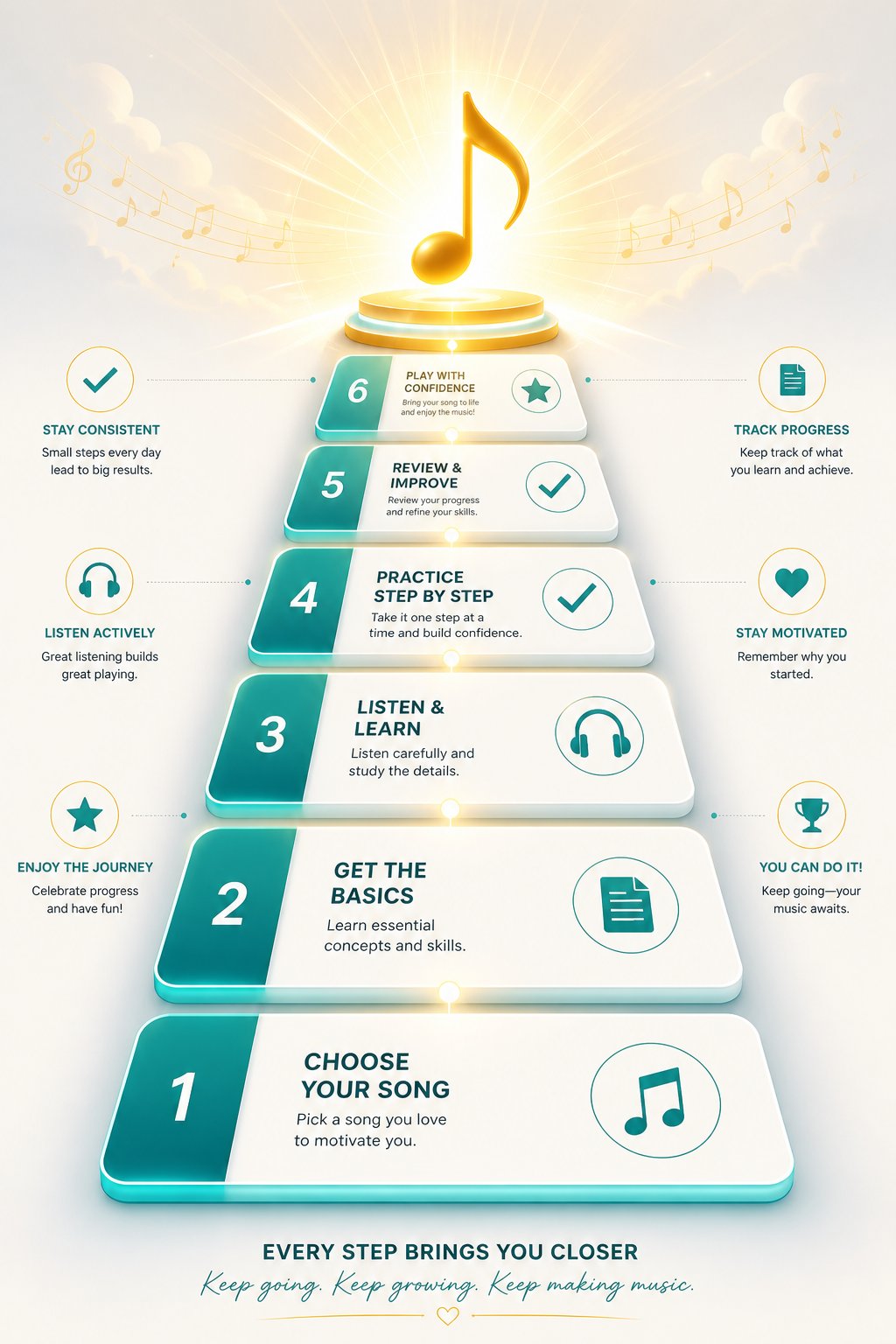
Before you create an account, burn a single credit, or watch a single demo video, run through these steps in order. Skipping straight to "which tool sounds best" is how people waste hours and money — every experienced Reddit user will tell you the same thing.
- Define your use case before you touch any tool. Are you generating background music for YouTube videos? Sketching song ideas as a musician? Producing ad audio for a brand campaign? Your answer eliminates half the options immediately. A tool built for instant full-song generation solves a completely different problem than one designed for stem export and DAW integration. Write down what you need in one sentence. If you can't, you're not ready to evaluate anything yet.
- Try free tiers before committing a dollar. Every major platform offers some form of free access — whether that's daily credits, a limited trial, or a restricted export format. Use those free generations to test with your actual content needs, not with the platform's suggested demo prompts. A tool that sounds amazing generating "upbeat pop" might completely fall apart on your specific request for "melancholy acoustic folk with female vocals."
- Test with your specific genre requirements. As the genre breakdown earlier in this article shows, no single generator dominates every style. If you primarily need orchestral scores, test orchestral prompts. If you need hip-hop beats, test hip-hop prompts. Judge the tool against what you'll actually ask it to do, not against its best-case highlight reel.
- Evaluate consistency over multiple generations, not a single lucky output. This is the step most people skip — and it's the one Reddit veterans emphasize most. Generate the same style of track five or ten times. How many outputs are genuinely usable? If only one in ten meets your standards, that tool has a reliability problem regardless of how good that one track sounded. What is the best ai for music creation? It's the one that delivers acceptable results predictably, not occasionally.
- Verify commercial licensing terms before building a workflow. Read the actual terms of service, not the marketing summary. Check whether commercial rights apply to your plan tier, whether they persist after your subscription lapses, and whether the platform's training data provenance creates downstream risk for your content. This step alone has saved countless Reddit users from painful surprises months after publishing.
- Check community feedback on recent updates. AI music tools ship model updates frequently, and a single update can dramatically change output quality — for better or worse. Before subscribing, search the relevant subreddit for the tool's name filtered to the last 30 days. If users are reporting regressions, broken features, or credit policy changes, you want to know before you're locked into a billing cycle.
This framework sounds simple because it is. The hard part isn't knowing the steps — it's having the discipline to follow them instead of impulse-subscribing after hearing one impressive demo track. Reddit users who've been through the cycle of excitement, frustration, and tool-switching multiple times will tell you: the 30 minutes you spend on structured evaluation saves you weeks of regret.
TL;DR for the Reddit Crowd
You scrolled to the bottom. Respect. Here's the entire article compressed into what matters:
TL;DR — No single AI music generator wins everything. Suno is fastest for full songs with vocals. Udio gives you the most editing control. AIVA owns cinematic and orchestral. MakeBestMusic is the simplest prompt-to-song path for creators and marketers who just need it done. Match the tool to your use case, test free tiers with YOUR genre, judge consistency over multiple generations instead of one lucky output, and always verify commercial licensing before you publish anything. The best free ai music generators 2026 offers are meaningless if the licensing doesn't cover your actual use. Reddit's communities are the best living resource for staying current — tools change monthly, and last quarter's favorite might be today's frustration. Do your own testing. Post your own results. The subreddits are only as useful as the people contributing to them.
One final thought worth borrowing from the communities themselves: the people who get the most value from AI music tools are the ones who treat them as the beginning of a creative process, not the end. Whether you're a content creator grabbing background audio, a musician sketching ideas, or a marketer building a campaign soundtrack, the tool is a starting point. What you do with the output — how you select, refine, combine, and deploy it — is where the real work happens.
If you've made it this far, you're already better equipped than 90% of people searching for what is best ai music generator for their needs. The landscape of top ai music generation tools january 2026 looked different from today, and today's landscape will look different six months from now. Stay plugged into the subreddits discussed throughout this guide. Test new tools as they emerge. Share your results honestly. And the next time someone posts "which AI music generator should I use?" — you'll have an answer grounded in real experience rather than someone else's affiliate link.
